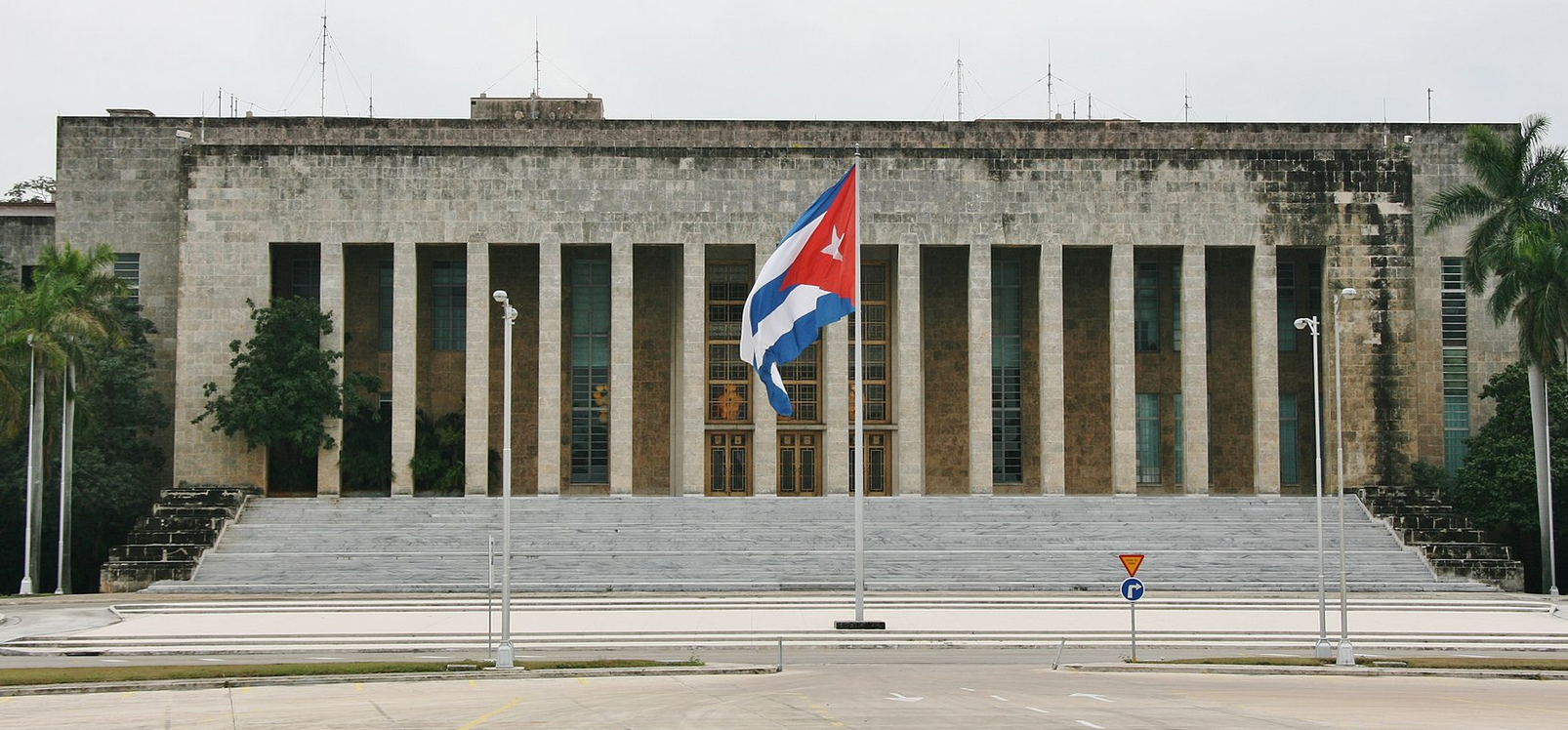
By Marc Vandepitte
Photos: Wikimedia Commons
Since the revolution of 1959, Cuba has been a thorn in Washington’s side. The existence of a socialist project barely 90 miles from the U.S. coast was unacceptable. Generations of presidents tried to bring the island to its knees through sabotage, isolation, and economic pressure.

The Cuban example had to disappear, or at least be damaged to such an extent that it could no longer provide inspiration. This strategy led to the longest-lasting economic blockade in modern history, which still determines the lives of millions of Cubans today.
No strategic partner anymore
For decades, Cuba could rely on external support. First from the Soviet Union and the socialist bloc countries of Eastern Europe, later from Venezuela. These alliances formed a lifeline, especially for energy supply and trade. But that time is over.
After the abduction of Venezuelan President Nicolas Maduro by U.S. troops, a crucial partner disappeared. For the first time since 1959, Cuba no longer has a real strategic partner and stands almost alone. Havana is more vulnerable than ever, and for the White House, the time seemed ripe to deliver the revolution a final blow.
Trump openly declared that he could take over Cuba. “I mean, whether I free it, take it. Think I can do anything I want with it,” he told journalists at the White House in Washington.
To achieve this, on Jan. 29, he imposed a total oil blockade. Countries that still dare to supply oil to the island are put under extremely heavy pressure by Washington. In addition to the energy cut-off, Secretary of State Marco Rubio is systematically trying to dry up every source of foreign currency for Cuba.
More specifically, he is targeting international medical missions. By forcing host countries to expel Cuban doctors, the island loses what is currently its largest source of income, which it uses for the import of medicines and basic food.
Society at a standstill
Cuba is historically highly dependent on imports, due to its past as a monoculture colony and a lack of raw materials. Energy, in particular, is of vital importance.
Before the energy blockade, Cuba consumed about 110,000 barrels of oil per day, of which 40,000 were produced domestically. The rest came from Venezuela, Mexico, and Russia. Since January, that supply has completely dried up. Only one ship—a Russian tanker—has made it to a Cuban port in the last three months…READ MORE