By Stephen Mandel Joseph
Photos: Stephen Mandel Joseph
In 1911, the road to Pittsburgh was paved with ghosts, possibilities, and a desperate escape for hope and freedom. August Wilson’s written masterpiece, Joe Turner’s Come and Gone, currently receiving an uplifting revival under the masterful direction of Debbie Allen at the Ethel Barrymore Theatre, catches that transitory moment with unmatched poetic splendor and poignant intensity.
Regularly viewed as the spiritual sentiment of Wilson’s ten-play Century Cycle, this production does more than return to the past; it unearths the joint memory of a people, transforming a Pittsburgh boardinghouse into a sacred site of renaissance.
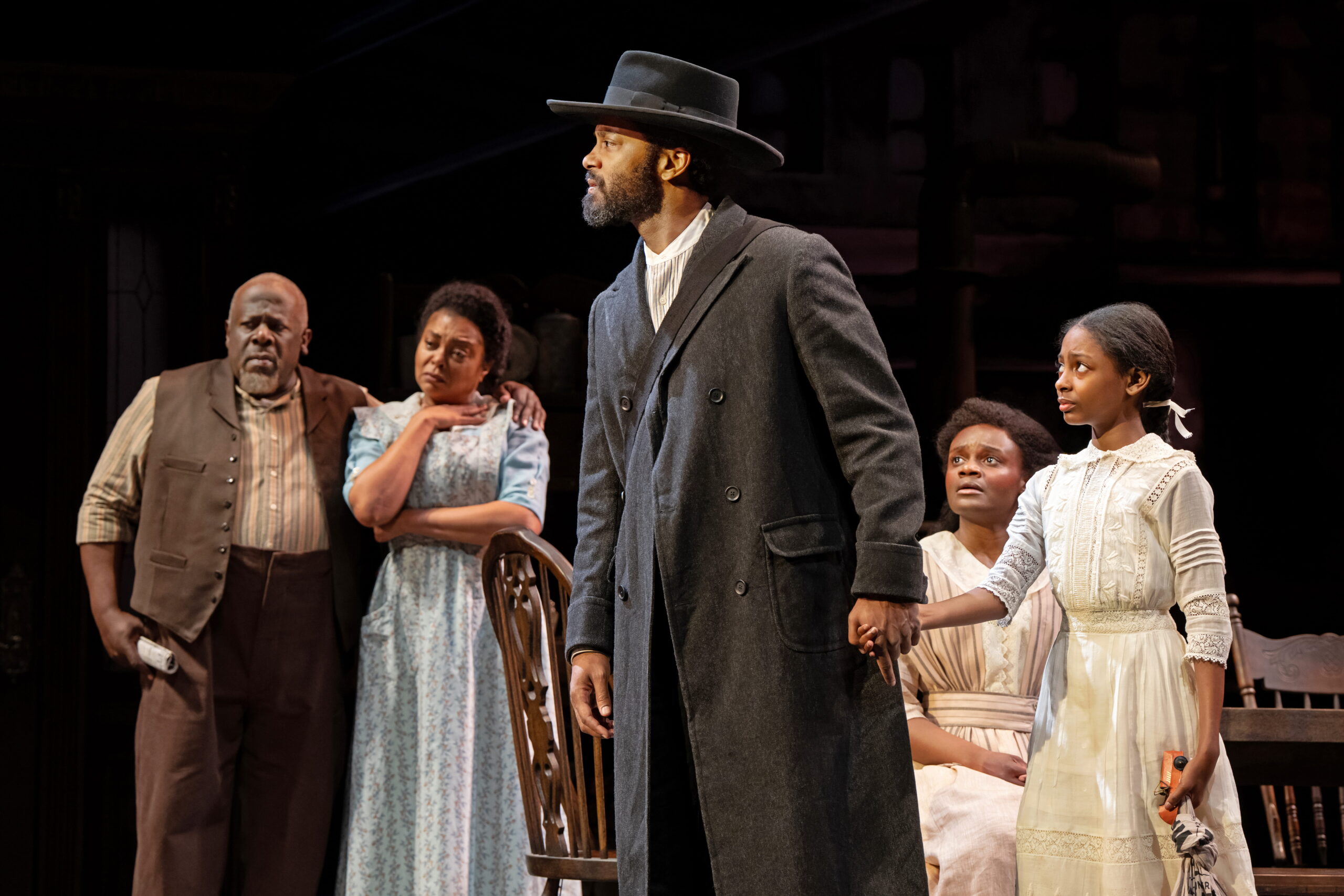
The play’s grandeur lies in its everyday setting, crafted by David Gallo, balancing homely comfort and looming city darkness. Seth Holly (played with befitting cool by Cedric the Entertainer) and his wife, Bertha (the influential Taraji P. Henson), operate a boardinghouse that serves as a refuge for the drifting individuals of the Great Migration.
Henson, known for her fiercer roles, brings a down-to-earth, nurturing power to Bertha. She is the anchor of the play, offering biscuits and wisdom while navigating the tempestuous emotions of her guests. Cedric the Entertainer surprises with his dramatic depth, portraying Seth’s diffidence and firm, hardworking nature, particularly in his scenes challenging the mystical actions of the other residents.
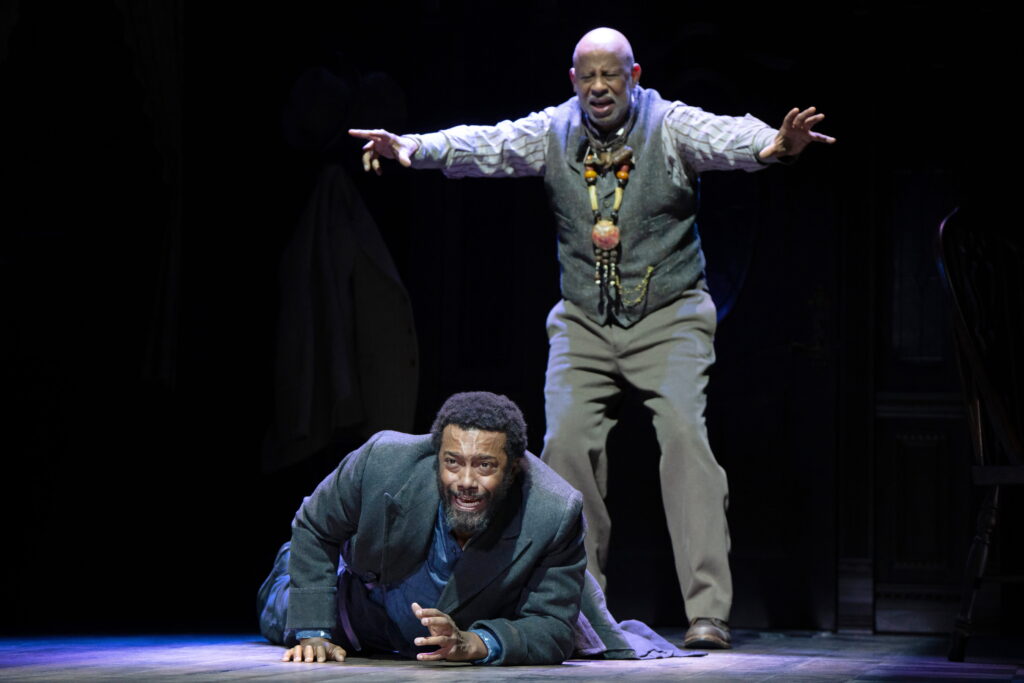
Yet, the play is stolen by the “conjure man” Bynum Walker, played with mesmeric grace by Ruben Santiago-Hudson. His performance of Bynum’s spiritual “binding songs”—the ritualistic storytelling of the “Shiny Man”—is incredible, providing the play’s thematic spine on the importance of finding one’s identity, or as Bynum calls it, “finding your own song”.
The drama hinges on the arrival of Herald Loomis (Joshua Boone), a man scarred by the seven years of forced servitude on Joe Turner’s chain gang. Boone is absolutely heart-stirring, turning Loomis into a haunted figure whose eyes betray an unimaginable history. When he finally confronts his estranged wife, Martha (played with anguished piety by Abigail Onwunali), his agonizing, raw emotion—climaxing in a self-inflicted spiritual cleansing—is almost too painful to watch, yet necessary for his liberation.
Allen’s direction guarantees that, while the play explores the heavy legacy of slavery, it also celebrates joy and humor. The “Juba” scene, featuring the boarders dancing and singing in an African-inspired ritual, exemplifies superb ensemble performance. It bursts with rhythm and community spirit, stimulating the theater experience.
The play explores the “song” inside each person, symbolizing self-worth and heritage. As Bynum states, “A fellow forget that and he forget who he is.”
Joe Turner’s Come and Gone transcends being just a historical piece or a play; it’s an exorcism of African-American trauma hidden within a modern drama. The all-Black ensemble’s performances elevate this powerful script into a captivating tour de force, leaving audiences exhilarated. The production serves as a reflection, demonstrating that August Wilson’s words still profoundly resonate today.
Undoubtedly, this is a season’s five-star theatrical masterpiece that offers healing, laughter, and tears in equal parts.