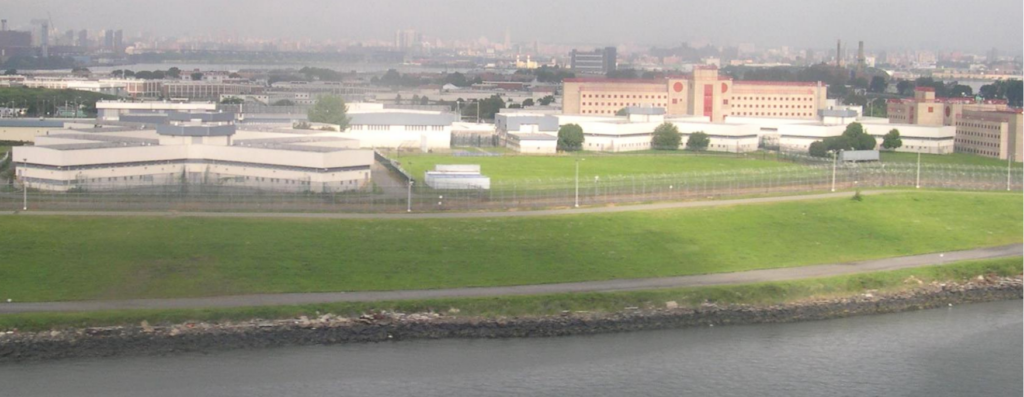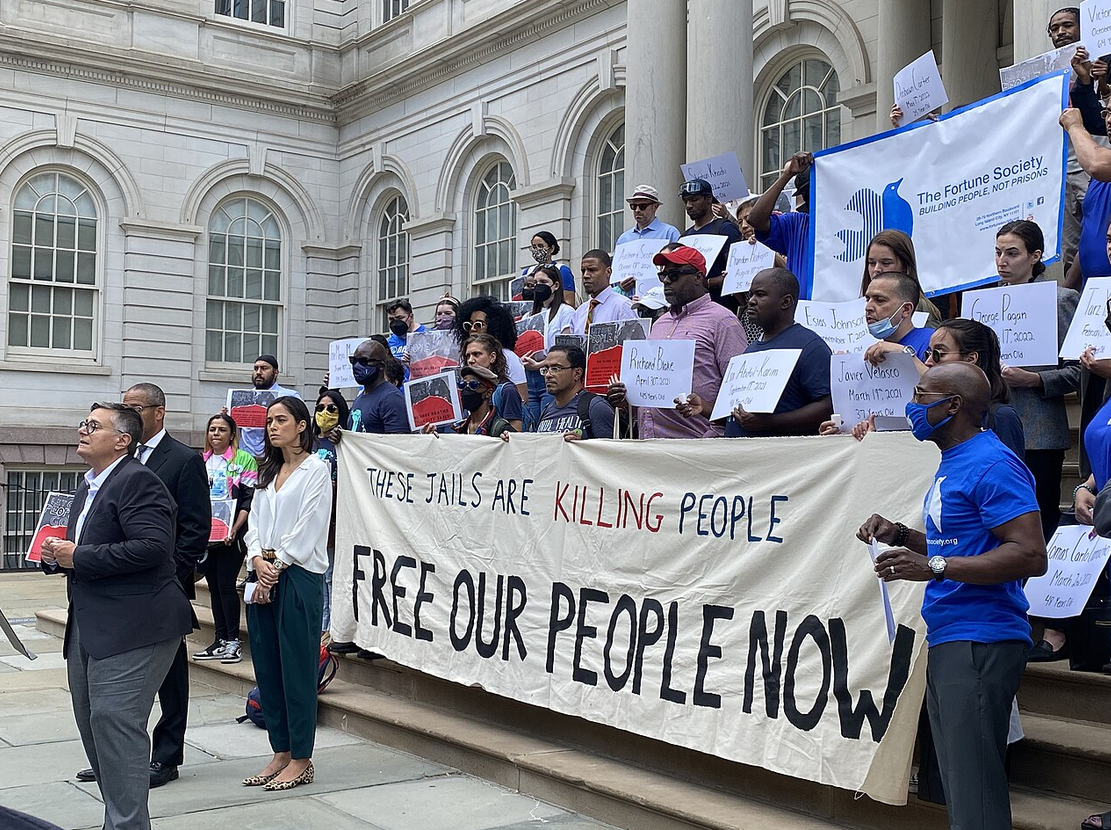
NEW YORK – Mayor Zohran Kwame Mamdani today released the City’s first comprehensive plan to close Rikers Island — the City’s notorious jail complex — by 2032, advancing an effort first championed in 1979.

Close Rikers: Strategic Plan details the steps the City will take to build a safer and more humane jail system that treats people in custody with dignity, supports correctional officers, captains, supervisors and civilian staff who work inside these facilities and strengthens public safety for all New Yorkers.
The City will build four borough-based jails by 2032, beginning with Brooklyn in 2029; create hundreds of therapeutic beds for New Yorkers with serious mental health conditions and complex medical needs; invest $146 million next fiscal year in mental health care, substance use treatment, educational and vocational programming both inside jails and in communities as well as victim services; reduce pretrial detention and case delays; modernize the Department of Correction; and plan for the future reuse of the island.
“It is time to finally close Rikers Island,” said Mayor Mamdani. “For decades, New Yorkers have demanded a correctional system that is safe and humane. This plan puts us on a path to deliver just that: closing Rikers, reducing pretrial detention, tackling the case delays that deprives people of their right to a speedy trial and investing $146 million in evidence-based supports that help break the cycles of incarceration. We have a legal and moral obligation to close Rikers. Working alongside the City Council, Courts and nonprofit partners, we will meet it — for the people in our custody, the staff who serve them, victims of crime, and every New Yorker.”
“The era of a justice system that is ‘out of sight, out of mind’ is coming to a long-overdue end,” said NYC Correction Commissioner Stanley Richards. “This plan is a roadmap toward a safer city that lifts up the dignity of the people who live and work in our jails. The Department is proud to support this work in order to reach a future off of Rikers Island.”
The plan includes opening four borough-based jails by the end of 2032, with Brooklyn’s facility opening first in 2029. Located closer to public transportation, courts and the communities where incarcerated New Yorkers live, these new facilities will make it easier for people to maintain relationships with family, access legal counsel and receive support, all of which can lead to more stable and safe outcomes post-incarceration. They will also be designed to make supervision safer and more effective for correctional staff.
The administration will also create an additional 236 Outposted Therapeutic Housing Units (OTHU) in Brooklyn and the Bronx, for a total of 340 therapeutic beds in NYC Health + Hospitals facilities across the city. The City is already transferring incarcerated New Yorkers with serious mental health issues or complex medical needs to therapeutic beds in Manhattan, where they receive specialized care.
In conjunction with the plan’s release, the City Council will introduce legislation to update the legal timeline for ending incarceration on Rikers Island and relocating the jail population in alignment with construction timelines.
The Mamdani administration has already taken significant steps toward closing Rikers and improving conditions across the correctional system. In addition to opening 104 OTHU beds at Bellevue Hospital, the administration revived a previously stalled Just Home supportive housing project in the Bronx for formerly incarcerated New Yorkers with complex medical needs, closed the North Infirmary Command on Rikers Island, revived property transfers between the Department of Correction (DOC) and the Department of Citywide Administrative Services (DCAS) and changed operational policies to phase out long-standing emergency orders.
The strategic plan builds on that work, signals a renewed commitment to fulfilling our legal and moral obligation to close Rikers and plan a sustainable future for the island.
Key highlights of the strategic plan include
Four Borough-Based Jails by End of 2032:
- Closer to courts, families and public transportation: Traveling to Rikers Island can take several hours and consume an entire day. Borough-based jails will be closer to public transportation, making it easier for New Yorkers in custody to see family, make court dates, meet with attorneys and access other support systems — all of which can improve stability and help to ease reintegration post release.
- Jails that are safer and easier to supervise: Fewer beds per housing unit will improve sightlines and allow for more effective supervision, promoting safety for people in custody and DOC staff.
- More privacy, security and space for programming: Individual cells will provide greater privacy and security. Dedicated programming spaces will accommodate vocational training, educational courses, including community college classes, meetings with attorneys and other services designed to help individuals reintegrate into the community faster and more successfully. Every housing unit will also have access to outdoor space.
- Community space open to all New Yorkers: Each facility will include at least 20,000 square feet of separate community space for neighborhood residents. The City will work with local elected officials and community members to determine how the spaces are used, with potential programming including small business support, youth services and senior services.
- Modern, safer and more humane infrastructure: Unlike the deteriorating infrastructure at Rikers, where broken pipes, rusting fixtures and unsafe conditions are commonplace, the new jails will feature comfortable furnishings designed to provide safer, more humane conditions for people in custody and the staff that work there.
- A dedicated facility for women: Following input from formerly incarcerated women and service providers, the City will centralize women in custody at the Queens facility. The location will provide proximity to Elmhurst Hospital, where women in DOC custody who require hospital-level medical attention are transported.
Supporting New Yorkers Inside and Outside Jail:
- More programming for people in custody: The administration will invest $50 million next fiscal year to expand access to vocational training, educational programming, mental health counseling, substance use services and other supports. The investments will respond to significant demand for existing programs and be developed in coordination with the Remediation Manager.
- Expanded community-based release and support: The research is clear that an overreliance on incarceration does not make our communities safer, and time in jail can increase the likelihood of rearrest. In order to make our city safer, we must expand the services that break the cycles of incarceration. The City will invest an additional $76 million next fiscal year in community-based services for New Yorkers. These investments will expand access to reentry services and community diversion programs, such as supportive housing, as well as low-barrier Emergency Stabilization Housing, which provides on-site psychiatric care, behavioral health services, substance use treatment and peer support. The goal is to help people stabilize in their communities, remain close to their families and maintain employment and help reduce recidivism.
- Hundreds of therapeutic beds: For medically vulnerable New Yorkers in custody, a typical jail setting is not an appropriate place to receive the care they need. The City will create hundreds of therapeutic beds to transfer people with serious mental illness or complex medical needs to units within NYC Health + Hospitals’ facilities.
- A simpler way to pay bail: The City will restore its online bail payment portal, which has been unavailable since 2023. The portal’s return will make it easier for families to help loved one’s post bail without unnecessary delays or travel.
Improving Conditions and Support for Correctional Staff:
- More training and support for DOC staff: Correctional staff perform difficult and often unseen work. The administration is committed to ensuring they have the resources, peer training and staff education, building on its initial training programs.
- Safer and more effective staffing: The City is mapping current staffing levels and deployment to better allocate personnel across the Island and improve working conditions for staff. This work is being conducted in coordination with the Remediation Manager and the Federal Monitor.
- Greater accountability and transparency: The administration is strengthening DOC’s processes for investigating, addressing and disciplining misconduct as part of the Remediation Action Plan. The goal is to ensure investigations are consistent, timely and thorough across the jail system.
Reducing Case Delay and Improving Support for Crime Victims:
- Faster evidence discovery: The City will accelerate the processing, sharing and review of evidence, with a particular focus on improving coordination among City agencies, including the New York City Police Department (NYPD), the Fire Department of the City of New York (FDNY) and the Office of Chief Medical Examiner (OCME).
- An interagency task force to address case delays: The administration will work with key partners across the justice system, including the Office of Court Administration (OCA), district attorneys, and the defense bar, to identify the systemic causes of case delays, and develop solutions that support timely resolution.
- Better support for crime victims: The administration is investing an additional $15 million in support services overseen by the Office of Community Safety and $1 million allocated to the Office of the Bronx District Attorney, for victims and survivors, to expand access to mental health care and legal services through Family Justice Centers, the Crime Victim Assistance Program and partnerships with community-based organizations citywide. The City will continue to work with crime victims, victim services organizations and district attorneys to identify gaps in services, barriers to accessing support and opportunities to better meet victims’ needs.
Planning for the Future of Rikers Island:
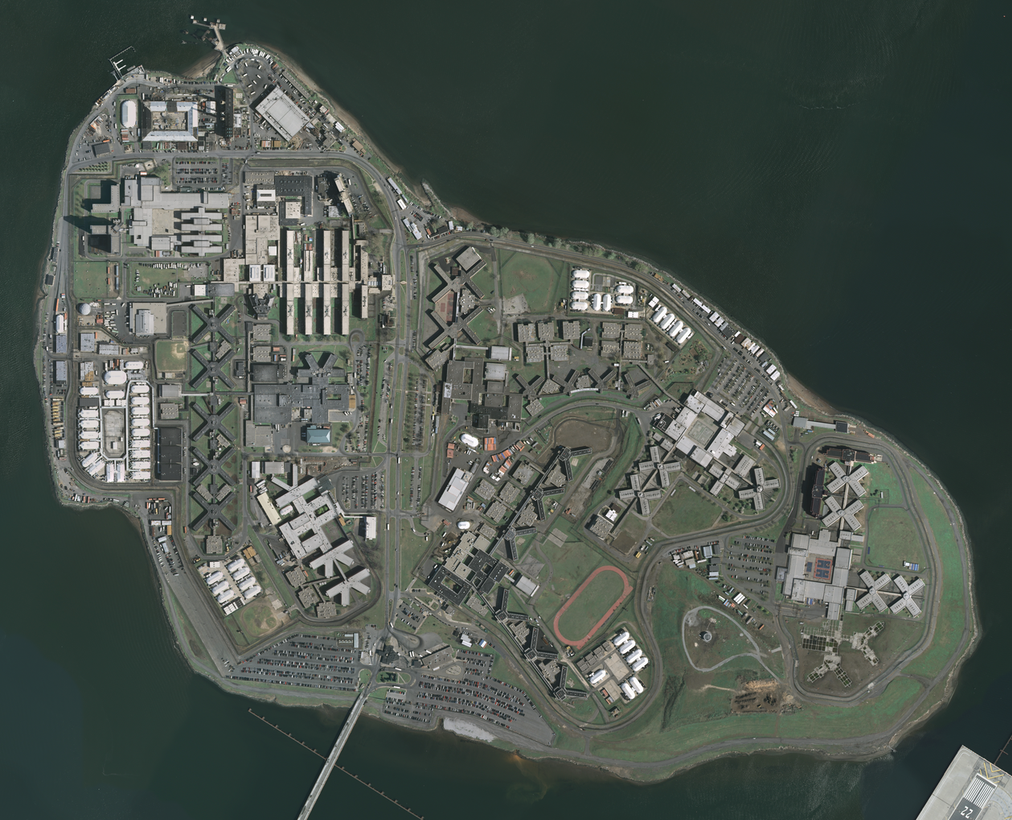
- Advancing the City’s energy and sustainability goals: The administration, in consultation with local stakeholders, is exploring near-term renewable energy and sustainability projects for Rikers Island while beginning a broader vision-planning process for the island’s future use led by DCAS. We will reconvene the Rikers Island Advisory Committee to inform the vision planning process.
- Phased transition of Department of Correction off of Rikers Island: As facilities open in the boroughs, facilities on Rikers Island can close. The City will continue ongoing review to close jails on Rikers and transition them over to the Department of City Administrative Services (DCAS), to make land on the island available for reuse.
“Closing Rikers Island is an imperative part of building a healthy and just New York City,” said First Deputy Mayor Dean Fuleihan. “Mayor Mamdani is putting an end to the era of neglect at Rikers. This administration is about action and we will move swiftly to improve conditions on the Island and permanently move to close the jail.”
“From the start of his administration, Mayor Mamdani made the safety and well-being of New Yorkers top of his agenda. Today, we are taking an enormous step towards delivering dignity and justice to everyone on Rikers Island,” said Close Rikers Czar Dana Kaplan. “Closing Rikers is not just a legal obligation; it is a moral one. The administration is proud to release this plan and finally close Rikers Island once and for all.”
“I am proud to support Mayor Mamdani’s comprehensive plan to complete the closure of Rikers Island,” said New York Attorney General Letitia James. “I have long fought for substantive reforms to address the rampant sexual assault, violence, neglect, and lack of adequate medical care at Rikers, and have called for stronger protections to keep both incarcerated individuals and correction officers safe. Closing Rikers and transitioning to borough-based jails is necessary for everyone’s safety, and I look forward to a more just and humane future for all involved in New York City’s correctional system.”
“Rikers is a moral blight on our city, and closing it is a moral and legal imperative,” said Public Advocate Jumaane D. Williams. “After the last mayor actively worked against that objective, I’m glad to have an administration committed to both the goal and the work of making closure a reality. The strategy laid out today is a practical plan to get people off of the island and stop sending more New Yorkers there unnecessarily. While we continue toward closure, we need to prevent harmful practices happening on the island today, including by implementing Local Law 42 and restoring key services. This is a public safety issue – Rikers is ineffective and dangerous, and the best way to protect people on both sides of the bars is to finally close it down.”
“Rikers Island is a stain on New York City’s conscience that far too often stands in the way of justice,” said City Comptroller Mark Levine. “Every step forward takes us closer to a future where Rikers Island is no more, and I look forward to seeing the reforms and investments outlined within this plan become reality.”
“We owe every person in custody dignity and humane conditions, and every correction officer and staff member a functional and safe place to work. The plan to replace Rikers with borough-based jails will help achieve that, but we have a long way to go and many obstacles to overcome to do it correctly and preserve the tremendous progress in public safety our city is experiencing. We commend Mayor Mamdani for taking on this challenge and remain committed to working together to build a safer city, and a more humane and effective justice system,” said Bronx District Attorney Darcel Clark, Brooklyn District Attorney Eric Gonzalez, Manhattan District Attorney Alvin Bragg and Queens District Attorney Melinda Katz.
“Delays under previous administrations have made it clear that more time is needed to fulfill the commitment the City Council made to New Yorkers in 2019 when we legislated closing Rikers Island,” said City Council Speaker Julie Menin. “With Rikers now under federal court-ordered oversight, we must bring this troubling chapter in our city’s history to an end once and for all. That means protecting public safety through a responsible transition to borough-based jails, ensuring humane conditions for those in custody, and ultimately ending incarceration on Rikers Island. To achieve this transition, we must reduce court processing times that have impacted the jail population.”
“Rikers Island is a humanitarian nightmare, and a stain on our city. It can’t be fixed, it must be closed. I was proud to be one of the first elected officials to call for closing Rikers (at the urging of the legendary Herb Sturz) and to co-sponsor the Council law that mandated it,” said Congressmember-elect Brad Lander. “When that commitment stalled in the prior administration, as Comptroller I pushed for the long-delayed outposted therapeutic beds, for faster case processing, and for a real plan to get the closure back on track. I’m grateful to Mayor Mamdani for this serious, honest recommitment. It speeds up the outposted hospital units, takes on case delays, commits to reducing the number of people stuck on Rikers for years while awaiting their day in court, and starts tearing down the jails on Rikers Island next year. This is how we finally close Rikers and build a justice system that we won’t have to feel ashamed of.”
“Rikers Island was built to cage and disappear community members that our institutions have failed. For almost a century, it has criminalized poverty and subjected people, most of whom have not been convicted of any crime, to violence, neglect, and psychological torture. Black and brown communities have been disproportionately impacted by inhumane practices that strip them of their dignity and, far too often, their lives. It is well past time we close Rikers for good,” said Congressmember-elect Darializa Avila Chevalier. “It is the law in our city, and it is the only moral path forward. We must stop treating jails and prisons as the solution to every crisis our government refuses to address. New Yorkers have been clear that they want their resources to fund housing, education, mental health care, violence intervention programs, and the services that actually keep our communities safe. Thank you to the families and organizers who have carried this fight for years, and who dared to dream of a city that invests in our communities, not cages. May this new chapter bring us all more safety, dignity, and justice.”
“New York City has a moral imperative to close Rikers Island and finally bring an end to the pain and suffering it was wrought on generations of New Yorkers. I’m proud to have helped pass the plan to close Rikers Island as a Council Member, and thanks to Mayor Mamdani’s leadership, we are finally bringing this plan back on track. I am especially excited by the efforts to accelerate the timeline for activating outposted therapeutic units, and I look forward to working with the Mayor to ensure our local infrastructure, from our healthcare institutions to our CBOs, is supported throughout the implementation of this plan,” said Brooklyn Borough President Antonio Reynoso.
“Rikers Island is nothing more than an inhumane hellhole that destroys futures, ruins lives and steals souls. I have long been clear that this modern-day example of Jim Crow must be closed as fast as possible, and I will work doggedly with the Mamdani Administration to make sure that is exactly what happens,” said Queens Borough President Donovan Richards Jr. “We have the power to prevent countless New Yorkers, both those detained on the moral stain that is Rikers and those who work there, from experiencing unspeakable physical and emotional trauma. And there is never a better time to do the work of making our correctional system infinitely more humane and just for all than right now.”
“For decades, Rikers Island has been synonymous with the failure of government to justly and fairly serve New Yorkers in its care. The inhumane, dilapidated, and dangerous facilities housed at Rikers Island are unworthy of a city that has strived to lead on justice, equity, and human rights – and that, in its own Charter, has committed to repairing past and continuing harms. Today with Mayor Mamdani, we chart a new course, as his administration unveils its strategic plan to close Rikers Island. I’m grateful to Mayor Mamdani, First Deputy Mayor Dean Fuleihan, Close Rikers Czar Dana Kaplan, and my colleagues in state and city government for their leadership and years of persistent advocacy for a more humane and just corrections system,” said Manhattan Borough President Brad Hoylman-Sigal.
“Conditions in Rikers are not just inhumane, abusive, and neglectful – they’re lethal. Nine New Yorkers, that we know of, have lost their lives at Rikers Island just this year. Being in custody should not be a death sentence, but that’s too often the case at this particular jail. I fully support the administration’s plan to finally shut down this shameful facility and invest in proper mental health care, job training, substance abuse programming, victim services, and more both inside jails and in our communities.” said State Senator Julia Salazar.
“For years, the closure of Rikers Island has been discussed, including under the de Blasio administration. I want to thank Mayor Mamdani for pushing this effort forward and prioritizing the implementation of a more humane and rehabilitative correctional system. These investments will expand access to medical care, mental health services, and comprehensive rehabilitative programming, while upholding the health, safety, and dignity of incarcerated individuals. As Chair of the Senate Health Committee, I am hopeful that this change will create greater opportunities for individuals to successfully reintegrate into their communities and have another shot at life. This is an important step forward toward a more restorative approach to criminal justice reform in New York City,” said State Senator Gustavo Rivera.
“We have a moral obligation to close Rikers Island and transform our criminal legal system to reflect the dignity of human life and deliver safety for all communities, including for workers and those detained. This commitment to close Rikers Island will make our city safer and more humane,” said State Senator Kristen Gonzalez. “In my District, the City has already opened Outposted Therapeutic Beds for people with severe and complex medical conditions who would otherwise be detained on Rikers Island without sufficient medical oversight. These beds took years to come online while people needlessly suffered, and I am encouraged to see the Mayor plans to open the remaining beds on a faster timeline. I applaud Mayor Mamdani for his commitment to reducing the jail population, closing Rikers Island, and creating a more humane and just system.”
“Mayor Mamdani’s plan completely correlates with my top two priorities in this space–closing Rikers Island for good and putting meaningful resources behind programs that offer treatment, diversion and empowerment,” said State Senator Cordell Cleare. “Therefore, it has my absolute support.”
“The history of Rikers Island is littered with scandal, abuse, and inhumane treatment. We remember Kalief Browder and countless others who entered our correctional system without access to the tools needed to successfully reintegrate into society,” said State Senator Nathalia Fernandez. “Closing Rikers is an opportunity to turn the page on this painful history and build a system rooted in dignity and rehabilitation.”
“Closing Rikers Island is long overdue. I have visited Rikers multiple times and have seen firsthand the inhumane conditions people are living in and the devastating impact of a system that too often prioritizes incarceration over support and addressing the root causes of harm.
As a longtime advocate for criminal justice and prison reform, I believe we must invest in alternatives to incarceration, expand access to mental health services and supportive housing, and ensure people have the resources and support they need to rebuild their lives. Transitioning to a borough-based jail system is an important step toward closing Rikers for good, but it must be part of a broader commitment to rethinking how we approach public safety and justice. We have an opportunity and an obligation to build a more humane system rooted in dignity, healing, and the well-being of our communities,” said Senator-elect Jessica González-Rojas.
“After years of delays under previous mayors, I am grateful that the Mamdani administration is making the closure of Rikers Island a priority. Importantly, this plan’s inclusion of around $76 million in planned annual funding for programs supporting diversion, reduced case delays, early discharge, and reduced recidivism will help ensure we are not merely shifting the same population to borough-based jails, but genuinely working to shrink our jail population,” said Assemblymember-elect Samantha Kattan.
“I stand with Mayor Mamdani, other elected officials, and advocates, who recognize the need to close the Rikers Island jail complex in favor of a network of borough-based jails,” said Assemblymember Latrice Walker. “We need to reimagine our system of incarceration. We have to strengthen the connections between families and incarcerated New Yorkers, improve safety for detainees and staff, and we need to fortify diversion programs that would help to reduce the jail population. Rikers is dangerous, dilapidated, and needs to be shuttered.”
“Closing the modern-day penal colony of Rikers Island is a key part of building smaller, safer, and fairer jails. Rikers’ isolation and outdated facilities have harmed the people held there and the family members who wish to visit their loved ones. Rikers doesn’t work for anyone. I am thrilled to learn about the plan to begin demolishing Rikers starting in 2027, reduce the jail population, and speed up court-ordered mental competency evaluations. People who are incompetent to stand trial have languished there for years, far longer than they would have if they had been convicted of a crime. Thank you, Mayor Mamdani, for your leadership and for laying out a clear path toward finally closing Rikers for good,” said Assemblymember Jo Anne Simon.
“Today’s announcement—laying out a plan and timeline to close Rikers Island, reduce our jail population, and ensure that people who are incarcerated in NYC have humane living conditions—is incredibly welcome. This news represents over a decade of relentless advocacy from NYC’s incarcerated leaders and their loved ones, as well as a promise delivered by our Mayor,” said Assemblymember Emily Gallagher. “The commitment to redevelop the island into Renewable Rikers is also a reminder that we can, and must, take spaces that have been used to harm our communities and repurpose them into spaces that create good jobs and life-saving benefits. Of course, new jails alone will not undo decades of dehumanization of incarcerated New Yorkers. We must remain vigilant and continue to advocate so the full vision is realized and all New Yorkers, including and especially incarcerated New Yorkers, are able to live with dignity and hope for the future.”
“Closing Rikers Island has been the right goal for years. What’s been missing is a credible, detailed plan to get there, and today New Yorkers are getting one,” said Assemblymember Brian A Cunningham. “By investing in diversion, mental health care, faster case processing and real support for people coming home, Mayor Mamdani is tackling the root of the problem: too many people held in jail for too long. A humane, borough-based system keeps people closer to their families, their lawyers and the services they need. A justice system should keep us safe and treat people with dignity, and this plan moves us closer to both. I’m proud to stand with the Mayor and my colleagues today, and I look forward to working with the administration to see this plan through.”
“Closing Rikers Island is long overdue. We must move toward a system that prioritizes dignity, accountability, and humanity,” said Assemblymember Catalina Cruz. “Our communities deserve a justice system that focuses on rehabilitation over punishment, protects human life, and ensures that the injustices of that have occurred here are never repeated.”
“Rikers Island is a stain on the moral fabric of New York City. I have spent my career as a public defender representing people in our criminal legal system and I have seen firsthand, and in countless ways, how Rikers makes us all less safe. Even a short period of incarceration exacerbates mental health issues, perpetuates violence, and destabilizes families and communities,” said Assemblymember-elect Eli Northrup. “Today the Mayor has announced a realistic plan to achieve the complete closure of all the facilities on Rikers, while shrinking the footprint of the carceral system in New York City. I look forward to working with the Administration to achieve this necessary goal.”
“I want to express my deep gratitude to the organizers inside and outside of Rikers Island who have worked towards closing the jail for decades, and to Mayor Mamdani for answering their call. The Mayor’s announcement is about more than shuttering one facility; it’s about permanently decreasing our jail population by reducing pre-trial wait times, developing alternatives to incarceration, and ensuring every New Yorker’s basic needs are met,” said Assemblymember-elect David Orkin. “The road to decarceration is long, but we can all be proud of this concrete step towards a safer and more just New York City.”
“I welcome the commitments outlined in the Mayor’s new strategic plan to advance our efforts to finally close Rikers Island,” said New York City Council Chair of the Committee on Criminal Justice Selvena N. Brooks-Powers. “Establishing clear timelines for opening the borough-based jails, alongside meaningful investments to reduce the jail population, is an important step forward. And, this plan’s success will ultimately depend on our ability to turn these commitments into measurable action. That requires sustained coordination and accountability across our criminal justice system, including meaningful engagement from our judges, district attorneys, and other key stakeholders whose partnership will be essential to reducing case delays and meeting the City’s updated timeline. We have a moral obligation to close Rikers Island and build a safer, more humane, and more effective correctional system. I look forward to working with the administration to ensure we deliver on that commitment.”
“Closing Rikers is a moral and legal imperative that is long overdue,” said Council Member Sandy Nurse. “After years of intentional foot-dragging by the previous administration, I am encouraged that Mayor Mamdani is taking actionable steps to improve conditions, staffing, and to decarcerate until we can shut down Rikers once and for all. With an eye towards Renewable Rikers, this plan moves our city to a more humane and resilient future.”
“Rikers Island has been a stain on our city for far too long, and I know that firsthand,” said Council Member Yusef Salaam. “I’m proud to stand with Mayor Mamdani as he lays out a real path to close it for good and build a justice system rooted in dignity, safety and second chances.”
“During my years as a public defender and as a legislator, I have seen that being sent to Rikers Island for any amount of time is a potential death sentence. I commend Mayor Mamdani for recognizing the humanitarian crisis on Rikers Island, after it was all but abandoned by the last administration,” said Council Member Tiffany Caban. “We need to decarcerate and make our city safer. We can accomplish both by investing in care and support for people struggling with poverty, mental health, and substance use and shifting resources away from police, punishment, and incarceration. I look forward to working with the Mayor and his team to ensure that this vision becomes reality.”
“I applaud Mayor Mamdani and his team for putting the closure of Rikers Island back on track,” said Council Member Lincoln Restler. “We had smartly and safely reduced the jail population while strengthening public safety in New York City for three decades prior to the election of Eric Adams and we can and must do so again. By speeding up case processing, investing in alternatives to incarceration, and expanding housing options, we can end the scourge of mass incarceration in New York City and close Rikers forever.”
“NYC must set a precedent for the humane treatment of every New Yorker. That begins with a responsible plan for closing Rikers Island, and treating those in jail with dignity. Our city’s jail system has brought insurmountable harm to working-class black and brown families across our city. We have seen people gravely mistreated and so many heartbreaking deaths for those abused and denied medical treatment. It must come to an end. I applaud the Mayor for finalizing a plan to ensure the closure of Rikers and improving the immediate treatment of those in our jails. Every New Yorker deserves health and safety. I am committed to ensure people have access to resources and support without entering the criminal legal system. We must shrink our bloated system,” said Council Member Alexa Avilés.
“The long-awaited closure of Rikers Island has been kicked down the road far too many times, so I am proud that New York City is delivering on its promise to begin this process immediately,” said Council Member Chi Ossé. “We must continue to set the standard by having our elected leaders take on issues because they are challenging and complex. Closing Rikers Island is among them, and it requires a whole-of-government approach. I look forward to working alongside Mayor Mamdani and the communities impacted by our broken criminal justice system, past and present, to ensure the horrors of Rikers Island remain a relic of history. We must always chart a path forward that pursues racial justice, rehabilitation, and a more humane model of public safety.”
“Closing Rikers must go hand in hand with investing in our communities, expanding access to mental health services, and reducing our carceral population,” said Council Member Jennifer Gutiérrez. “In the last four years, it has felt that we were on a path to nowhere to achieving any of those goals. While we are still many years away from the full closure, I commend the Mamdani administration for taking this legal obligation seriously. Investments like the 144 outposted therapeutic housing beds for Woodhull Hospital, which serves communities across my district and beyond, are a vital part of that transition.”
“Closing the jails on Rikers Island is both an ethical obligation and a key step towards a fairer, safer, and more humane justice system in New York City,” said Council Member Gale Brewer. “I welcome the administration for putting forward a very clear strategic plan to actually close Rikers and move forward with a modern, borough-based system that puts people much closer to their families, their lawyers, and their community support services. I look forward to working with the Mayor, my fellow Council members, and community partners to make sure that the process is transparent, accountable, and delivers real justice reform for all New Yorkers.”
“Our practice of warehousing people not yet convicted of crimes on Rikers Island is a moral stain on our city,” said Council Member Shahana Hanif. “Every day we delay closing Rikers is another day we perpetuate injustice. I applaud the Mamdani administration for advancing a plan to close the jails on Rikers Island, reduce incarceration, and keep people closer to their communities. We must move away from a system rooted in punishment and toward one that prioritizes rehabilitation. The closure of Rikers cannot come soon enough.”
“The administration’s plan to close Rikers Island gives us an opportunity to fundamentally reimagine what justice can look like in New York City,” said Council Member Ty Hankerson. “We can build a correctional system rooted in dignity, compassion, and rehabilitation, one that gives people a meaningful chance to rebuild their lives. We can invest in pathways to stability, strengthen our communities, and demonstrate that public safety and compassion go hand in hand. This is our chance to reckon with the injustices of the past and forge a new path forward for how our city approaches justice.”
“Our team at DDC is proud to be leading the design and construction of the Borough-Based Jails program, and grateful for the trust placed in us and our industry partners to deliver these hugely important projects,” said Paul A. Ochoa, Commissioner of the New York City Department of Design and Construction. “Among the hundreds of active projects we manage across NYC, few carry the same moral urgency or have the potential to make such a lasting difference. Closing Rikers Island is about more than building new jails; it’s about changing how we treat our fellow New Yorkers and creating spaces that better connect people in custody with their families, legal services, programming, public transportation, and the courts. By delivering these four sites using Design-Build, we are bringing the right expertise together, strengthening collaboration among all stakeholders, and moving these projects forward with greater speed and efficiency. We are proud to play this role in helping the City fulfill its commitment to close Rikers Island.”
“For too long, we have relied on a system that jails thousands of New Yorkers who have not been convicted of a crime, allows cases to drag on for months or years, and sends people back into their communities without the support they need to succeed,” said NYC Criminal Justice Coordinator Justine Olderman. “This plan charts a new path forward—one that reduces our reliance on pretrial detention by investing in community-based services and supports, tackles the case delays that leave victims and detained people alike waiting for justice, and strengthens reentry to break the cycle of incarceration. Together, these investments will help us build a system that is both fairer and safer for all New Yorkers.”
“Mass incarceration doesn’t work,” said Mayor’s Office of Criminal Justice Director Deanna Logan. “Instead, this administration is following the research that shows choosing to invest in resources that better-connect people in custody with the communities to which they’ll return results in more stability and better outcomes for people in custody, for taxpayers, and for public safety.”
“In his first 100 days in office, Mayor Mamdani restarted our work, on behalf of our clinically complex patients, to create supportive housing as they leave custody and outposted therapeutic units while they await trial. Today’s announcement accelerates the timeline to move more of our vulnerable patients off Rikers and into new, therapeutic units,” said Dr. Patsy Yang, Senior Vice President for NYC Health + Hospitals/Correctional Health Services. “CHS is deeply honored to be part of an administration that so decisively acts on its fundamental belief in the humanity and worth of every person in this city.”
“We look forward to advancing a vision for Rikers consistent with New York City’s clean energy, sustainability, and resilience goals. Transforming a place of such deep harm for Black and brown New Yorkers into a place of renewal is an important step forward for the City that recognizes the vital work of advocates fighting for a green and just future,” said Chief Climate Officer Louise Yeung.
“Today brings us one step closer to closing the jails on Rikers Island,” said Department of Citywide Administrative Services Commissioner Yume Kitasei. “With the closure, we have a once-in-a-century opportunity to reimagine the future of a 400-acre island for the benefit of all New Yorkers, and we are excited to begin that work.”
“When it comes to public safety, when it comes to justice, when it comes to basic humanity, the jails on Rikers have no place in our City. The Mamdani Administration’s plan lays down a marker: Rikers must and will close. And even better, it will be replaced with a system that is safer, more humane, and fiscally responsible. A system New Yorkers can be proud of. The Independent Rikers Commission is excited to work together with the Mayor, the City Council, and all critical stakeholders to end the stain of Rikers on our great city,” said Judge Jonathan Lippman.
“The Mayor’s renewed commitment to closing Rikers Island, along with the crucial investments and resources needed finally put the City on track to comply with the legal and moral mandate to close Rikers. After years of delays and inaction, impacted people and communities deserve a credible plan with concrete benchmarks to reduce the jail population and permanently shutter this deplorable facility,” said Tina Luongo, Chief Attorney of the Criminal Defense Practice of The Legal Aid Society. “We commend the Mayor and his administration for taking these steps.”
“Ten years ago, when I was recently home from prison and became involved in organizing to close Rikers, so many people said it would never happen. But survivors of Rikers, impacted families, and New Yorkers who believe in justice were not deterred. Today, we welcome the release of Mayor Mamdani’s Strategic Plan to Close Rikers,” said Darren Mack, Co-Director of Freedom Agenda. “While Rikers should have closed long ago, we’re glad to have a mayor who has demonstrated his commitment to getting this done. We look forward to working with Mayor Mamdani to move forward with all possible urgency to invest in real solutions for safety and justice and leave the tragedy of Rikers Island behind.”
“Deplorable and deadly conditions and a culture of violence and neglect have persisted at crisis levels on Rikers Island for decades. Decreasing the population and ultimately closing Rikers must be a paramount priority for New York City,” said Lisa Schreibersdorf, Executive Director of Brooklyn Defenders. “Brooklyn Defenders applauds the Mamdani administration for investing in the supports that help people remain safe and stable in the community: housing, transportation, treatment, peer support, and mental health care. We strongly support the plan proposed by the Mayor’s office and look forward to working with the Mayor’s team to achieve the meaningful and well-thought-out goals contained in the report.”
“No one should have to survive Rikers to get their day in court. We are deeply grateful to Mayor Mamdani for turning a long fight into a real plan to close it. For more than 30 years, Neighborhood Defender Service of Harlem has defended people that jail isolates from their families, communities, and care. Real safety means fewer arrests and less surveillance. Closing Rikers is the promise. Investing in our communities is how we keep it,” said Piyali Basak, Managing Director, Neighborhood Defender Service of Harlem.
“The closing of Rikers Island represents the end of a dark chapter in New York City’s history and the beginning of a new era of justice, dignity, and opportunity. For far too long, we have relied on incarceration to address challenges that demand compassion, care, and community investment. Through strategic investments in mental health services, affordable housing, education, and community-based public safety, we can build a city where every New Yorker is safe, every life is valued, and every person has the opportunity to thrive. We do not have to choose between justice and public safety. We can and must have both,” said Rev. Stephen A. Green, Senior Pastor, Greater Allen AME Cathedral of New York
“The closing of Rikers Island is an opportunity for New York City to confront the failures of its past and make a different commitment to its future. Closing Rikers is not justice in itself, but it is a necessary step toward it. Justice will require us to transform the systems and conditions that made such an institution possible. The plan moving forward under Mayor Zohran Mamdani’s administration aims to replace Rikers with four smaller, borough-based facilities in Manhattan, Brooklyn, Queens, and the Bronx. The vision is to bring these facilities closer to courthouses, families, and essential support services, while investing in mental health care, supportive housing, rehabilitation, and reentry programs,” said Imam Khalid Latif, Executive Director of The Islamic Center Of New York City. “Chaplain Accountability and compassion are not competing values. We must remember that behind every person who experiences incarceration is a human being, a family, and a community. We can protect public safety while recognizing that rehabilitation, restoration, and human dignity must be central to justice. Closing Rikers must be more than a political milestone. It must be a moral commitment. A commitment to investing in people, strengthening families, addressing the conditions that contribute to incarceration, and creating a justice system that recognizes the humanity of everyone it touches. I’m confident that our Mayor and his administration are committed to that and more, and I stand with them in this effort.”