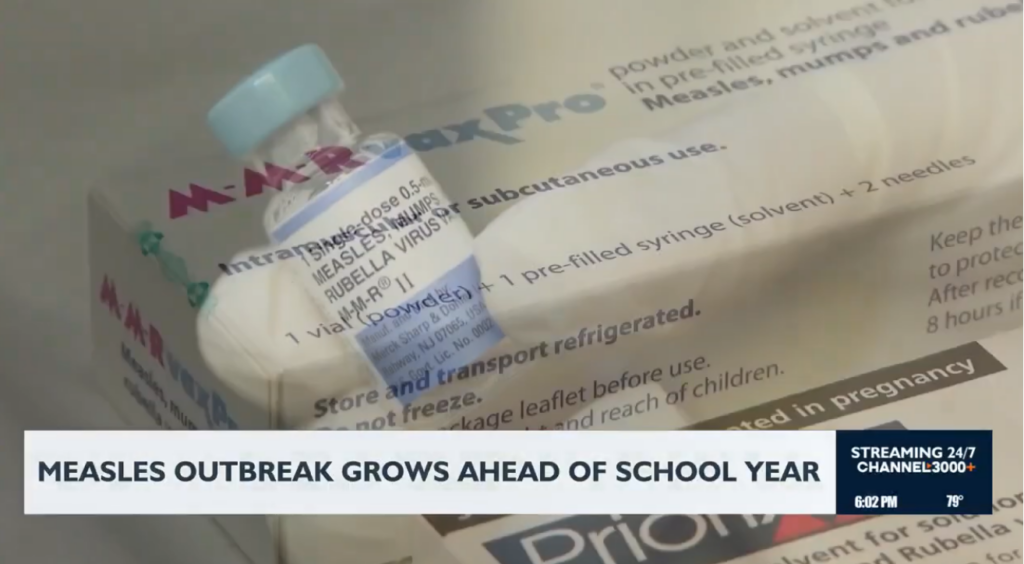
NEW YORK — New York City Health Commissioner Dr. Alister F. Martin issued the following statement on the United States losing its measles elimination status after a review from the Pan American Health Organization (PAHO):
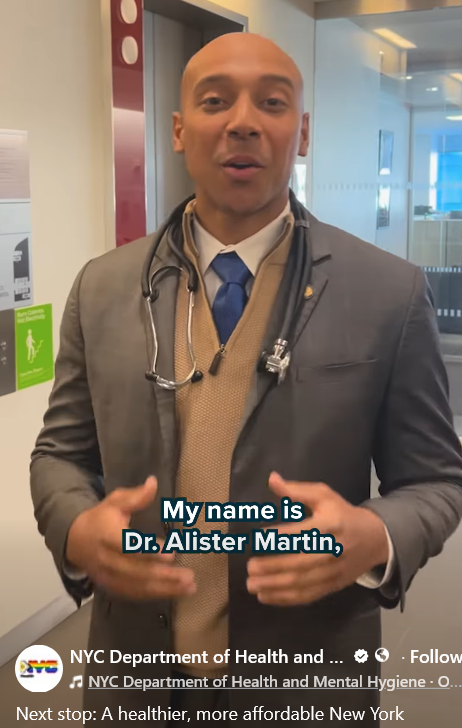
“Twenty-six years ago, the United States stopped the spread of measles, eliminating one of the world’s most contagious diseases with risk of severe illness and death. This was made possible through concerted efforts of public health advocates, healthcare providers, and all levels of government working together to educate Americans about vaccination while ensuring access to vaccines through programs like Vaccines for Children.
Today, we face a much different reality. Decades of progress has been unraveled through efforts to sow distrust in vaccines, leading to declining vaccination rates and multistate outbreaks. More than 5,4000 measles cases have been reported in the United States this year, the most since 1991, and, tragically, 10 people have died to date, leaving PAHO no choice but to revoke the nation’s measles elimination status. This is a significant setback for public health and an outcome of a federal administration that has systematically undermined well-established immunization guidance.
We’re fortunate that New York City had only eight sporadic measles cases this year, all related to international travel. These cases did not lead to further spread due to high measles vaccination levels in most of the city. However, outbreaks can occur in areas where vaccination coverage is low and where many children receive the measles vaccine later than recommended. The best way to prevent measles is through on-time vaccination, which is why we strongly advise parents to get the MMR (measles, mumps, and rubella) vaccine for their children as soon as they are eligible. It is normal to have questions, but it’s important to get answers from reliable sources, like your child’s doctor.
Today is a setback, but it does not have to define our future. We know that vaccination works to prevent measles. By rebuilding trust, sharing accurate information, ensuring access to vaccines, and working together across communities, healthcare providers, and all levels of government, we can protect children from this devastating disease.”