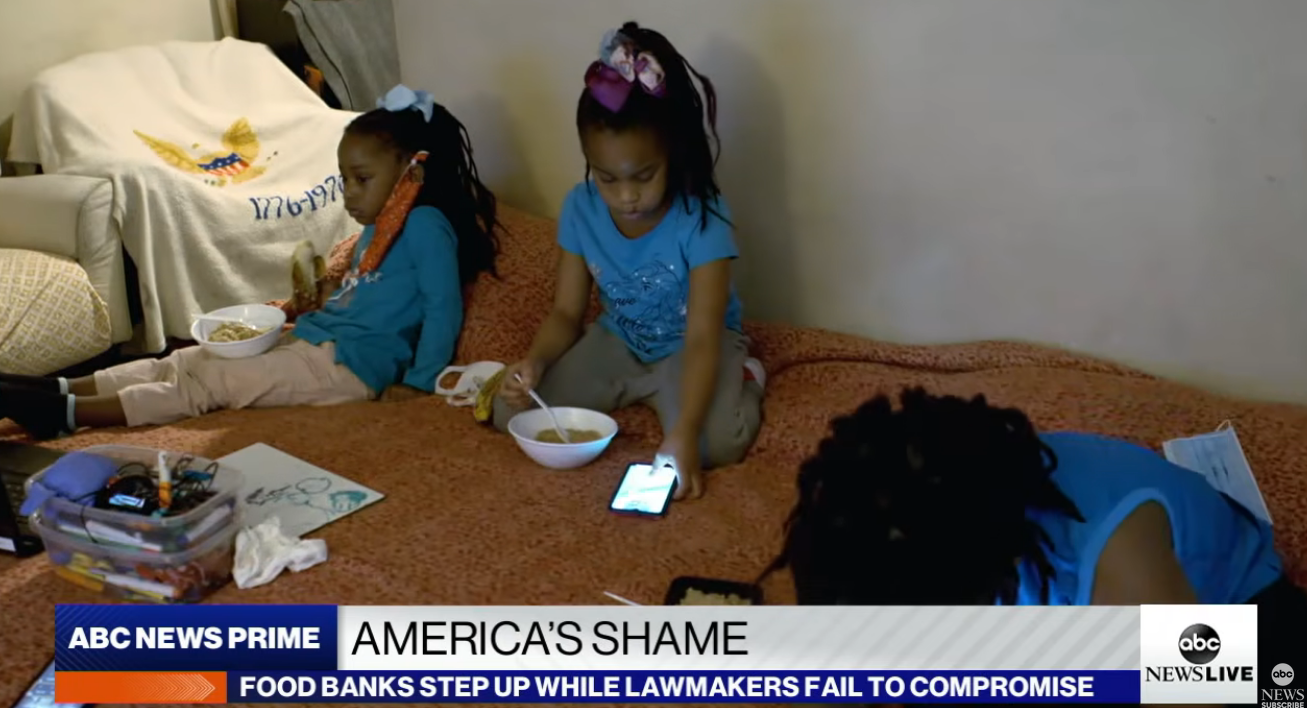
A new survey of 2,400 U.S. adults nationwide conducted by the nonprofit organization Hunger Free America (HFA) estimates that 36% of U.S. residents — equaling 123 million Americans — suffer from food insecurity in 2026, meaning that these Americans are not always able to afford enough food.
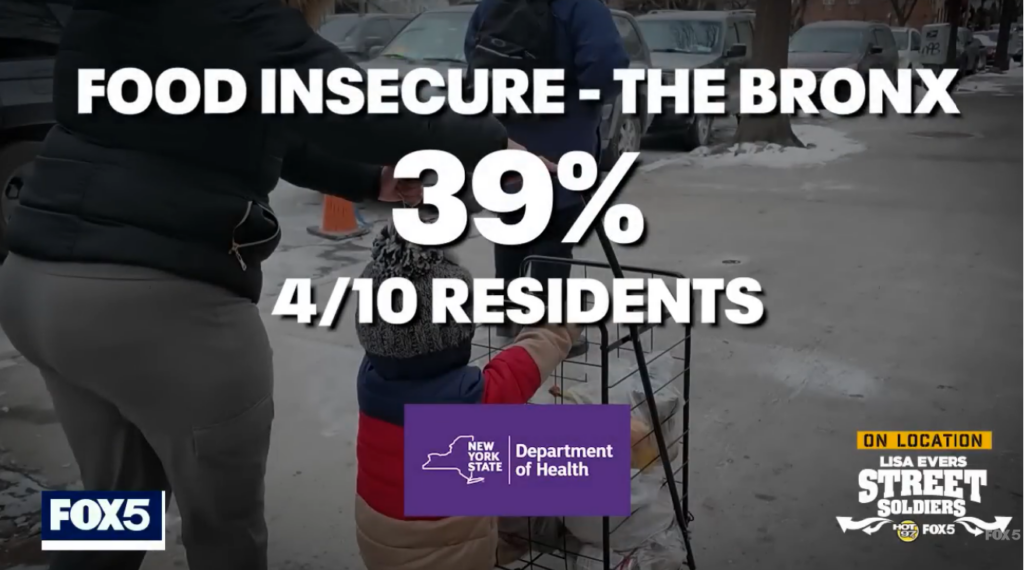
By contrast, in 2024 (the last year before the Trump administration stopped measuring hunger), the U.S. Department of Agriculture (USDA) published data reporting that 14% of U.S. residents — equaling roughly 48 million Americans — lived in food-insecure households in 2024. Previously, in 2021, the USDA found that 10% of U.S. residents — equaling roughly 34 million Americans — lived in food-insecure households.
The new 2026 Hunger Free America survey asked the six most determinative questions measuring food insecurity that were included in the previous USDA surveys. Using this approach, HFA’s estimate for overall U.S. food insecurity in 2026 is more than double the previous USDA estimate in 2024 and more than triple the USDA estimate in 2021.
These Hunger Free America findings are in line with the Pew Research Center October 2026 study, which found that 44% of U.S. adults experienced trouble paying for at least one basic necessity over the preceding 12 months.
The Hunger Free America study also found that an estimated 41% of U.S. children under 18, equaling 30 million American children, lived in food-insecure households in 2026. In 2024, USDA found that 20% of U.S. children (roughly 14 million children) lived in food-insecure homes, compared to 13% of U.S. kids (nine million children) in 2021. Thus, the Hunger Free America estimate for the number of children living in food-insecure homes in the U.S. is more than double the USDA estimate for 2024 and more than triple the USDA estimate for 2021.
| Source | Overall U.S. Food Insecurity by Population | U.S. Child Food Insecurity by Population |
| USDA Study 2021 | 34 million | 9 million |
| USDA Study 2022 | 44 million | 14 million |
| USDA Study 2023 | 47 million | 14 million |
| USDA Study 2024 | 48 million | 14 million |
| Hunger Free America Study 2026 | 123 million | 30 million |

*Please note that USDA and HFA data are not directly comparable, as the data is collected through two different methodologies. Thus, no trends in data should be deduced from this chart.
The organization attributed that hunger hike to the soaring prices for food and other costs of living, combined with a $183 billion reduction in domestic food aid, the largest such cut in U.S. history.
The report was released by Hunger Free America at an event at Eastern Market in Washington, DC, attended by Joel Berg, CEO of Hunger Free America, and Theresa Lau, Senior Policy Counsel, The Southern Poverty Law Center.
Even higher-income Americans have been impacted by rising food insecurity. The Hunger Free America study estimated that, among households with reported household incomes of $150,000 or more annually— an income range 72% higher than the median family income of $87,460 – a surprising 19% were unable to always afford an adequate supply of food.
Food Insecurity Rates by Region
- Northeast – 40%
- MidAtlantic – 32%
- Southeast – 44%
- Midwest – 28%
- Mountain Plains – 34%
- West – 37%
- Southwest – 37%

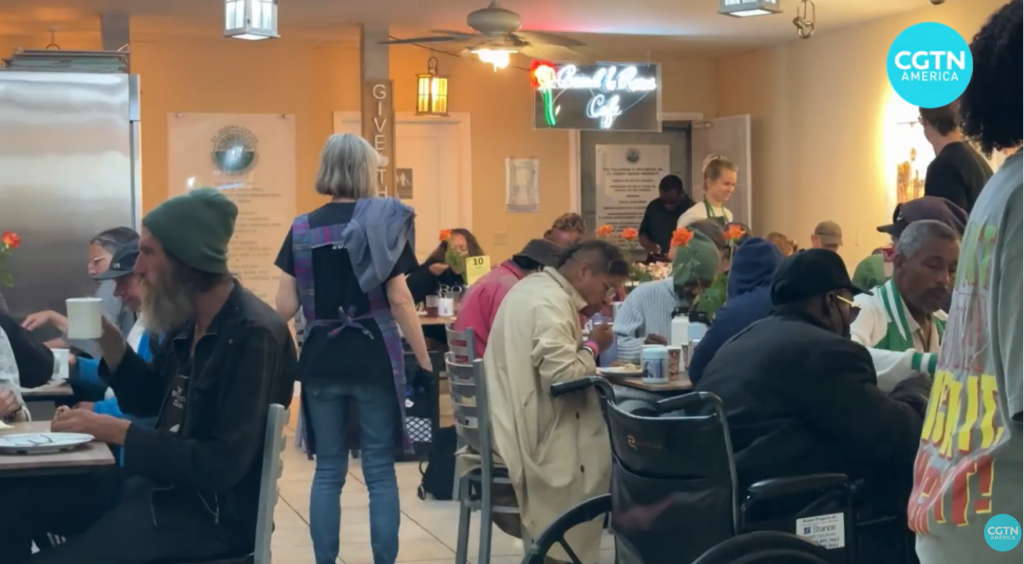
Across all incomes, 79% of respondents reported that the prices they paid for food and other costs of living had increased in the last year, with 36% reporting prices had increased “greatly.” Forty-eight percent said in the last year it was “much harder” or “a bit harder” to afford the amount and/or quality of food their household needed, compared to only 16% who said it was “much easier” or “a bit easier” to afford adequate food.
“Today’s U.S. hunger crisis is the most tangible embodiment of the nation’s affordability crisis, with even those previously thought to be solidly middle class suffering mightily,” said Joel Berg, CEO of Hunger Free America, a non-partisan nonprofit direct service and advocacy organization. “The Trump administration’s ostrich approach to this issue — burying its head in the sand and refusing to even measure how its policies are increasing hunger — is failing, big time. While our own study is less comprehensive than the previous USDA studies, our report does provide concrete evidence as to why it’s so vital for the U.S. government to formally measure food insecurity on an annual basis, since previous USDA studies provided official hunger benchmarks that enabled government leaders, nonprofit groups, and philanthropies to obtain the data needed to understand how to best redress the problem. The USDA must go back to not only measuring hunger, but also, even more importantly, go back to combatting hunger instead of fueling it.”
One of the survey respondents, a self-identified Republican from Arizona who works full-time and has an annual household income of at least $150,000, noted the hardship of “rising prices and interest costs!!.” They added, “I have definitely changed the way I grocery shop and we rarely or never go out to eat. Yes, the federal government should be doing something about the price of food and the cost of goods. Stop the stupid tariffs!!”
A self-described Independent voter who is a senior citizen from New York responded: “I believe I am speaking for thousands of people just like me. I am disabled and housebound. I know SNAP benefits are supposed to help not provide your month’s food but my Social Security check is less than my basic living expenses. My SNAP buys me less than 2 weeks food as I am on a highly restricted diet. There is only one food pantry here that actually brings the food to you and they bring three days of food, so I go without at least one full week or more each month with little to eat. I am not alone here and to be honest that our Government is not doing better is a slap in the face after working several jobs at a time for 40 years of my life.”
Said a respondent who is a self-described Democrat from Maryland: “Unhealthy and healthy food both cost insane amounts, to the point where I’m only buying healthy and not eating out at all and still having to cut portion sizes. There are five working adults in my household and we all put money towards bills and groceries.”
Continued Berg, “The worst part of all this is that the nation’s child and adult hunger crises were caused by absolutely unnecessary federal policy failures, which have both increased food prices and other vital costs of living while slashing nutrition assistance. These actions were both immoral and economically counterproductive. That’s why we call on the lame duck session of Congress to rapidly reverse all the cuts in the Supplemental Nutrition Assistance Program (SNAP, formerly called the Food Stamp program), as well as to take concrete steps to slow inflation, make basic costs of living affordable for struggling families, and implement new programs to boost long-term economic opportunity for all.”
The Hunger Free America survey found high levels of food insecurity across all regions and demographics in the nation, including among those self-identified as Democrats, Republicans, and Independents; in cities, suburbs, small towns, and rural areas; among both white and non-white Americans; and in red, blue, and purple states alike.
“Far too many families in Maryland and across the country are struggling to put food on the table. Despite that fact, Donald Trump and Republicans forced through the largest SNAP cuts in history, making it even harder for Americans barely getting by. We need to reverse these devastating cuts and put American families first – not Trump’s billionaire friends,” said U.S. Senator Chris Van Hollen.
“Millions of Americans are struggling to put food on the table, and cuts to SNAP will only make matters worse,” said Congressman Joe Morelle of New York. “I’m grateful to Hunger Free America for shining a light on this crisis, and I’ll keep fighting to protect the programs families rely on.”
Theresa Lau, Senior Policy Counsel, Southern Poverty Law Center, commented, “Households across this country and especially in the Deep South are being forced into impossible choices between paying skyrocketing healthcare costs, making rent, finding childcare and putting food on the table. In the wealthiest country in the world, it’s unconscionable for anyone to go to bed hungry not knowing when their next meal will come. Our lawmakers have a mandate from the American people to refocus their efforts on providing tangible financial relief to families, which can start with reversing cuts to SNAP.”
Thirty-two percent of respondents said that higher prices for gas, housing, health care, utilities, prescription medicine, and/or childcare have prevented them from being able to afford the food their family needs. Added Berg, “Every extra dollar that families have to spend to fill their gas tanks means one less dollar they have to fill their grocery carts.”
Kupersmit Research, a respected strategic research firm with expertise in both quantitative and qualitative tools, designed this study. The survey includes responses from 2,400 American adults over age 18, and was gathered online, with respondents drawn from the Dynata online panel (we utilized sampling targets for geography, ethnicity, age and gender). The survey oversampled in key states to conduct more localized research, and weighted the data back to the correct proportions by state based on the 2024 U.S. Census Bureau American Community Survey (ACS) population estimates. The survey was conducted from October 9th to 16th, 2026. The overall sample of n=2,400 carries a margin of error of +2.0% at the 95% confidence level, which is higher for subgroups of analysis. The full study is available at hungerfreeamerica.org/en-us/research/2026-hunger-survey-reports.
Said Benjamin Kupersmit, president of Kupersmit Research: “As we have seen in survey after survey, the American people want elected representatives to help them make ends meet. The sharp jump in the percent of Americans saying they are experiencing food insecurity in the past year represents a five-alarm fire for policymakers. We hope this data helps call attention to this crisis and urge policymakers to act now – while the economy is strong and unemployment is low – to help families afford the healthy food they need to thrive.”
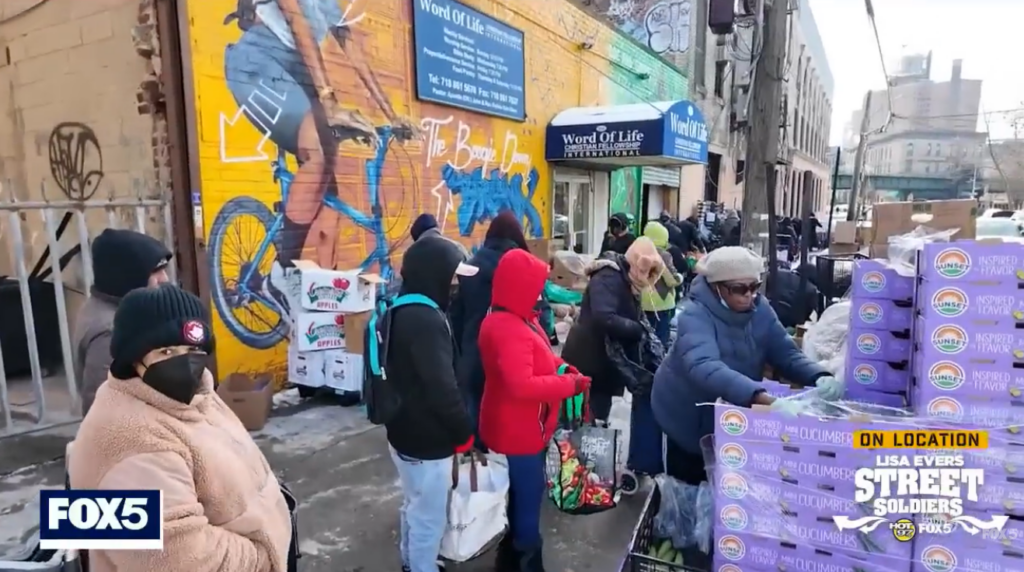
Food Insecurity Rates by Select Characteristics Found in Survey
| Age | % of Respondents | Party ID of People | % of Respondents | |
| 18-24 | 59% | Democrat | 35% | |
| 25-34 | 49% | Republican | 34% | |
| 35-44 | 43% | Independent/unaffiliated | 31% | |
| 45-54 | 27% | Third Party | 44% | |
| 55-64 | 24% | Eligible to vote, but not registered | 66% | |
| 65+ | 18% | Not eligible to vote | 43% | |
| No response | — | |||
| Race | % of Respondents | |||
| White | 30% | Red vs. Blue vs. Purple States | % of Respondents | |
| Black or African American | 51% | Red (Republican) | 34% | |
| Hispanic or Latino/Latina | 46% | Blue (Democrat) | 37% | |
| Asian/Pacific Islander | 25% | Purple (Mixed voting) | 34% | |
| Locale | % of Respondents | Disability Status | % of Respondents | |
| Big city | 46% | Disability present in household | 64% | |
| Suburb of big city | 33% | |||
| Small city | 29% | |||
| Small town/rural | 32% |
The 2026 HFA study, which asked about household food consumption over the past year, also found:
- In households with at least one person with a disability, 64% were food insecure. USDA studies have previously also found that such households have greatly elevated hunger rates.
- Thirty-six percent of respondents said it was “often” or “sometimes” true that the food they bought just didn’t last and that they didn’t have money to get more.
- Thirty-four percent said they “often” or “sometimes” couldn’t afford balanced meals.
- Twenty-five percent said they at least sometimes ate less than they felt they should because there wasn’t enough money for food.
- Twenty-one percent said they had been “hungry but didn’t eat because there wasn’t enough money for food.”
- Seventy-three percent of households with children headed by single women experienced food insecurity, which is in line with previous USDA findings that such households have the highest rates of food insecurity.
- Twenty percent reported receiving food from a food pantry, soup kitchen, free meals program, food bank, or religious institution one or more times. But these hard-pressed charity programs were only able to meet a small fraction of the growing need. Of those respondents who said they were forced to use such programs, they reported that they were often not able to access food there either: the charities had wait times over an hour, ran out of food, couldn’t meet their dietary or cultural needs, and otherwise didn’t have enough food to adequately feed them and their families.
- Eighteen percent of families with children said they were forced to buy food that was less nutritious for their children, 19% had to reduce portion sizes for their children, 10% said they had to deprive their children of some meals, and 10% said they were not able to feed all of their children.
- When asked “Which do you think should be a higher priority for the federal government?” only 11% said, “Giving more tax cuts to billionaires and corporations,” compared to 80% who said, “Ensuring that Americans have adequate food, housing, and health care,” 9% were unsure or declined to answer. Respondents of all political parties, demographics, and locales offered similarly strong support for the government meeting the basic needs of the American people rather than further enriching the wealthy.
- In response to the question, “If a candidate for U.S. president proposed concrete, realistic plans to fight hunger, reduce poverty, and expand economic opportunity for all in the United States, how would that impact your voting decisions?” 79% said that would make it more likely to vote for that candidate, 17% said that would not influence their voting one way or another, and only four percent said that it would make them less likely to vote for that candidate. Respondents of all political parties, demographics, and locales offered similarly strong support for a candidate who would seriously address these issues.
Concluded Hunger Free America’s Berg, “Both this study and the results of the midterm election make it crystal clear that the American people are suffering mightily from intertwined crises of widespread hunger, mass unaffordability, and evaporating economic opportunity. They will clearly reward those leaders who seriously address those concerns and remove from office those that don’t. I hope all our leaders take this wake-up call seriously.”