By Norbert Byambo Kagosi & Mujib Abid
[Norbert Byambo Kagosi]:
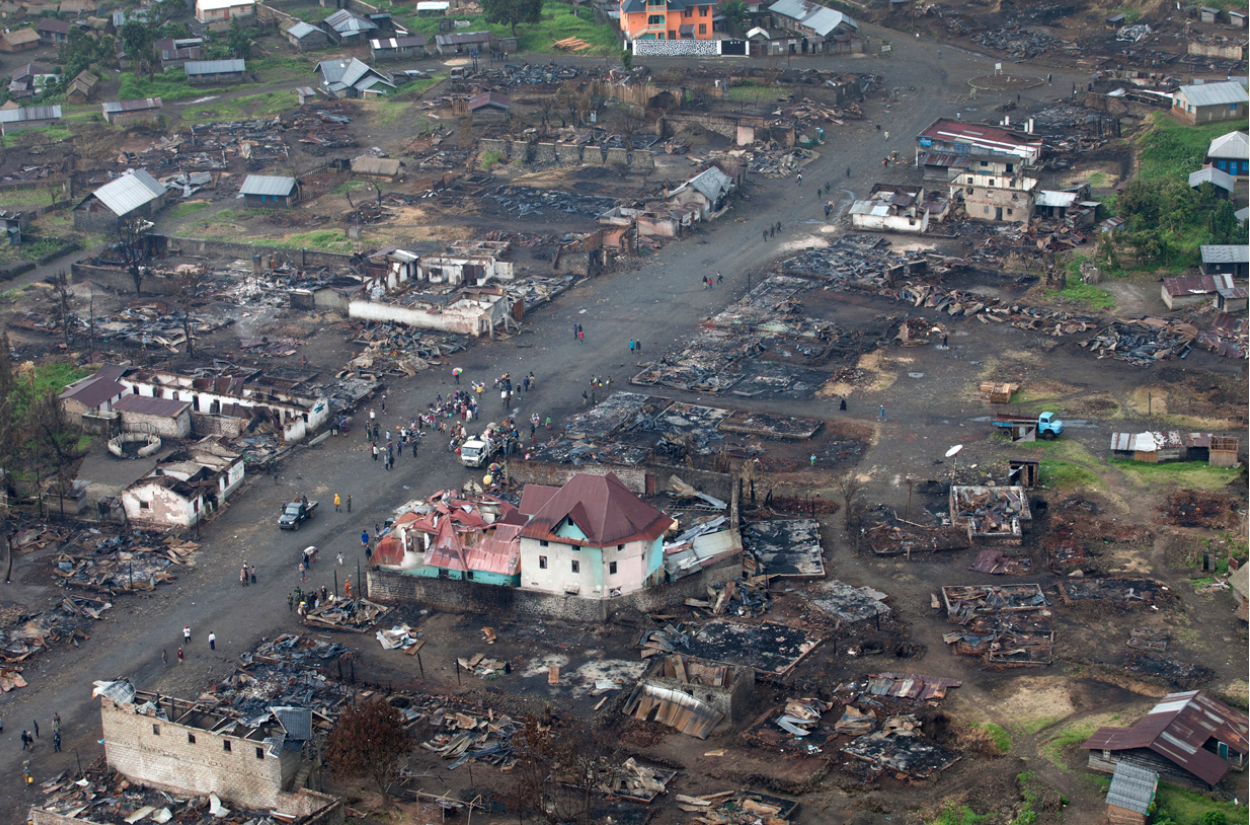
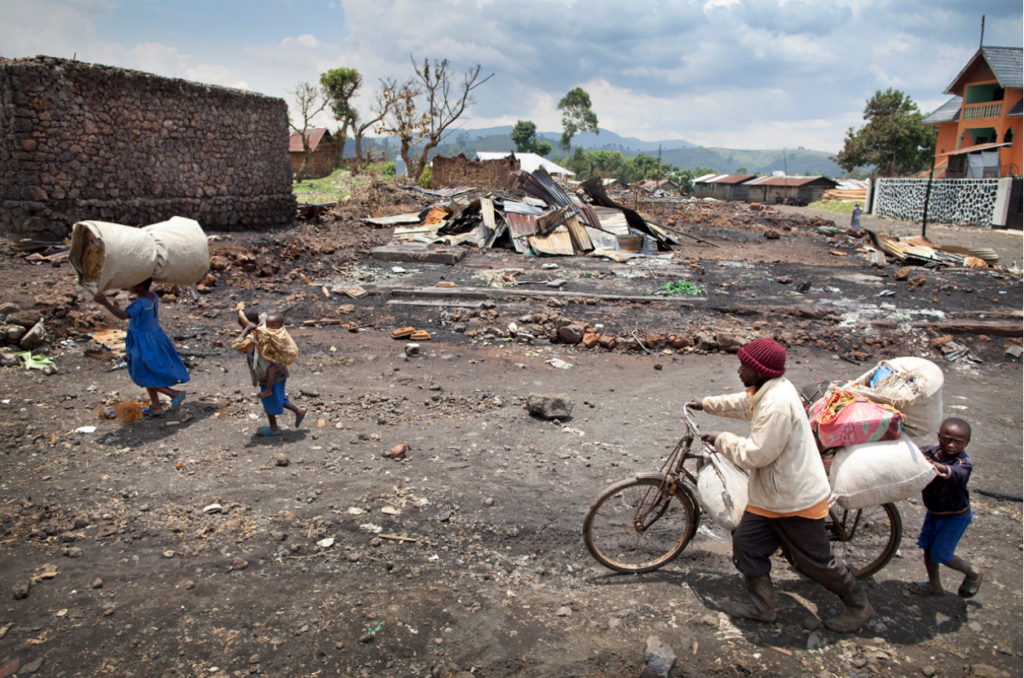
Forced and involuntary displacement can have many causes. I fled my country for many reasons, including insecurity, persistent conflict, and hatred in my village. In my hometown of Kiliba, in the Democratic Republic of Congo (DRC), life had become unbearable. People could be killed brutally, as if their lives had no value. Nobody knew who would be the next victim or when the violence would strike again.
Completing my diploma in 2018 put a target on my back. Rebels did not want to see someone who had studied and gained an education. What should have been a moment of pride gradually became a source of fear as my life was threatened.
One night, I heard voices outside our house. The people were threatening to kill everyone, saying that nobody would be left alive, not even a child. Those words filled me with terror. They opened the door to my parents’ house and then came directly to the room where I was sleeping. I had no time to think about what to take with me or where I would go. I escaped through a window and ran for my life.
My country has been plagued by violent conflict over the past three decades, fueled by armed groups and foreign interference, rooted in struggles for control of the DRC’s rich mineral resources. A primary example of the so-called ‘resource curse’ phenomenon, the DRC has become a battleground for geopolitical rivalry, caught up in resource grabs by outside powers. Ten million Congolese have perished, and 6.9 million have been displaced, like myself, making the DRC one of the countries most affected by forced displacement in the world.
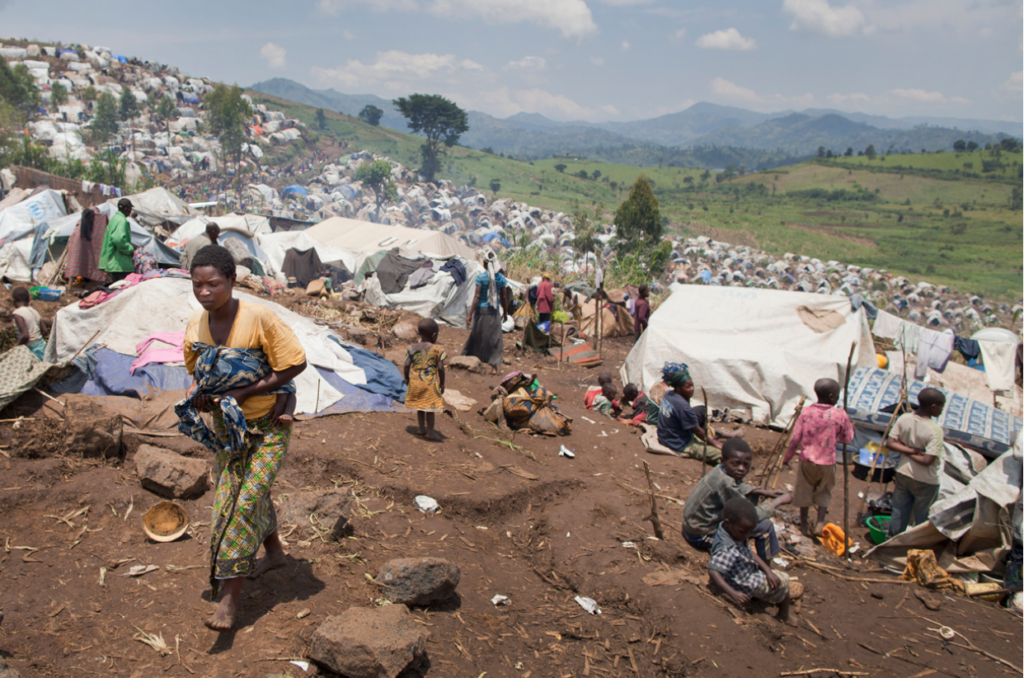
I traveled from village to village seeking safety. Over the course of two months, I made my way on foot to the Nakivale Refugee Settlement in Uganda, carrying my fear, my pain, and the little hope I still had. I did not choose to become a refugee. I chose to survive. I left behind my home, my community, and the life I had imagined for myself. I wanted a chance to wake up without fear, to continue learning, and to have a future in which my life and my education would not put me in danger.
Since then, I have been working as a peacebuilder, social educator, and conflict resolution trainer in the refugee camps in Uganda, co-founding New Talent for the Best Future in 2020 to empower fellow refugees and uplift vulnerable communities. In today’s global climate of heightened geopolitical conflict, militarization of borders, and increasing violence and hostility towards migrants, it feels radical to say that every human being deserves peace, dignity, education, and the opportunity to live without fear.
[Mujib Abid]:
Norbert’s experience raises questions that concern us both as peacebuilders. In particular, when the reasons for seeking asylum, in the face of threats of physical harm at home and ever-securitized border regimes, are closely intertwined with the desire for education, self-actualization and seeking change.
Life as a refugee is painful and unfair. But it can also prove transformative. Norbert’s account challenges the tendency to see refugees only through the violence they have endured, overlooking the knowledge, relationships and organizations they build.
The modern border is not simply a line separating one country from another. It is a political instrument, one shaped by empire, racial hierarchy, and a capitalist world system that has never distributed mobility equally. Borders allow weapons and capital to circulate with remarkable freedom, while people displaced by war, coloniality, economic inequality, and climate change are detained, deported or denied safety and protection. The same powers that help produce displacement frequently reserve for themselves the authority to decide who may cross, who must remain, and where each person belongs.
This month, on October 23-25, Norbert will be speaking at the global online conference, #NoWar2026: Beyond Borders, to share his story alongside dozens of other speakers from around the world. I will moderate the panel, ‘Migration is Beautiful,’ bringing together leading writers and activists to make the case for freedom of movement and explore migration as a source of creativity, connection and collective possibility.
We’ll unpack how war and violent conflict uproot communities, how border regimes operate, and most importantly, what a border-free world could look like. What might become possible if people possessed both the freedom to move and the freedom to remain? What if migration were understood not as a threat to be contained, but as an enduring expression of human life?
In Nakivale, Norbert’s work as a peacebuilder, educator and co-founder of New Talent for the Best Future is part of an ongoing effort to build a future with fellow refugees. Displacement has shaped this work, but it does not exhaust the possibilities of his life or theirs. As we look towards Beyond Borders, we ask what becomes possible when displaced people are recognized as organizers, educators and political actors, with a voice in shaping the conditions of our shared world.
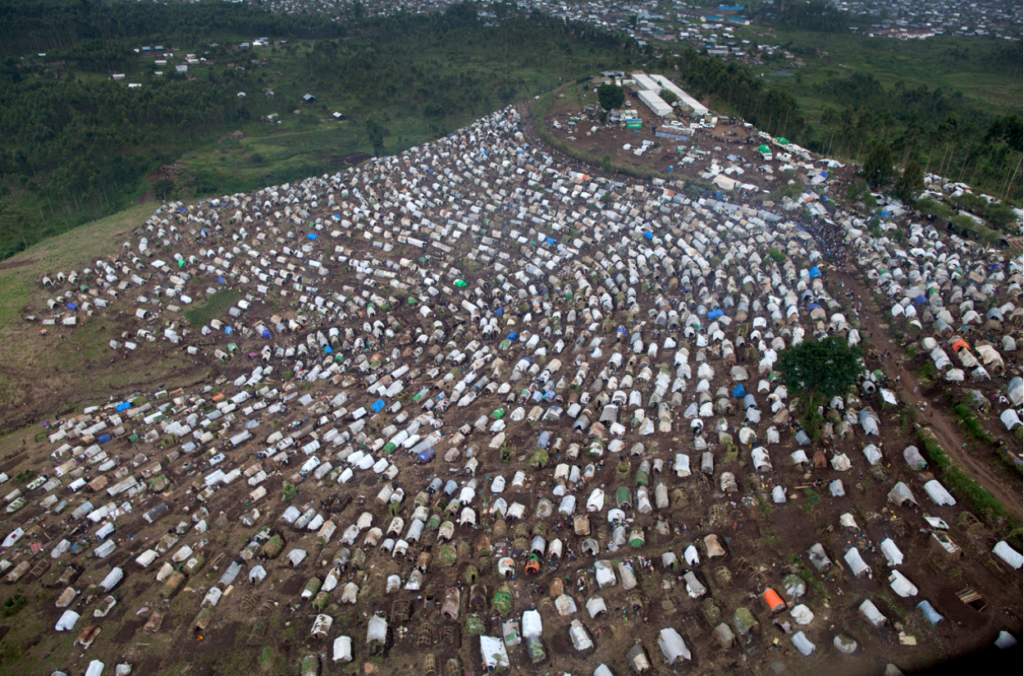
A camp for internally displaced people at Kitchanga, in the eastern region of DRC in 2013.
Norbert Byambo Kagosi is the Coordinator of the Isingiro Nakivale chapter of World BEYOND War.
Dr Mujib Abid, a member of the Board of World BEYOND War, is an Australia-based scholar-activist and community peacebuilder.