By Albert Baldeo:
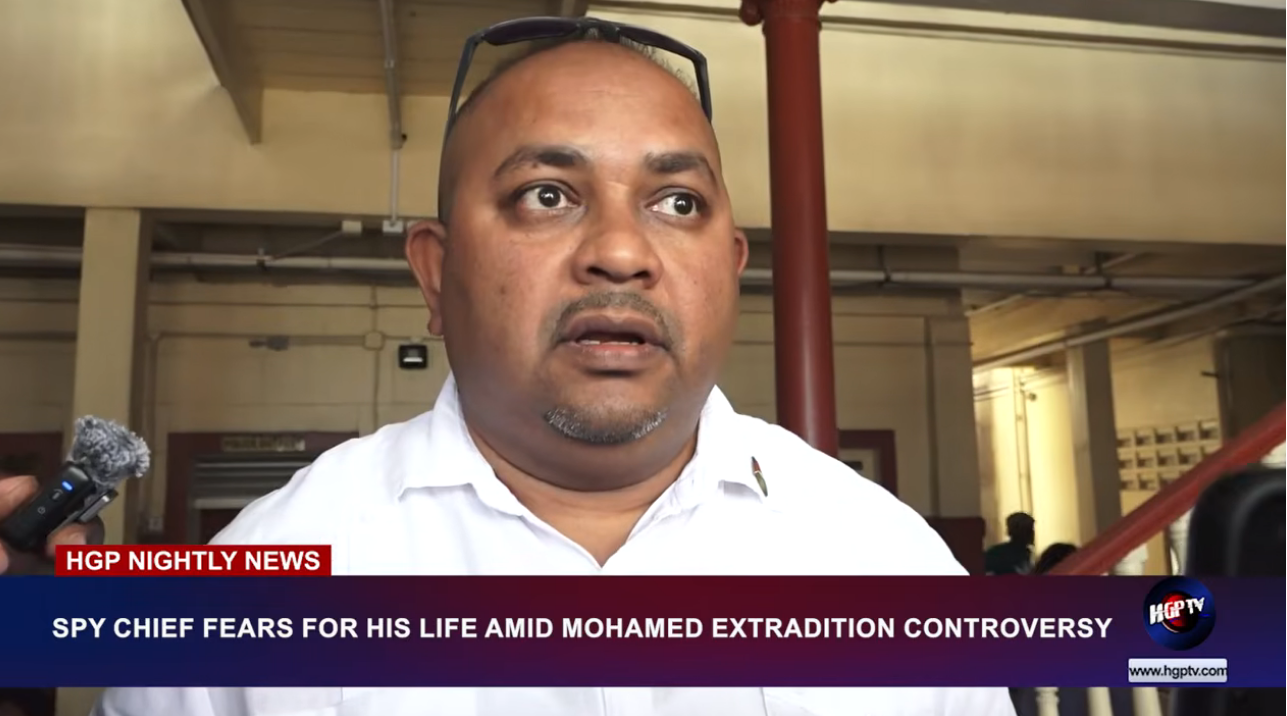
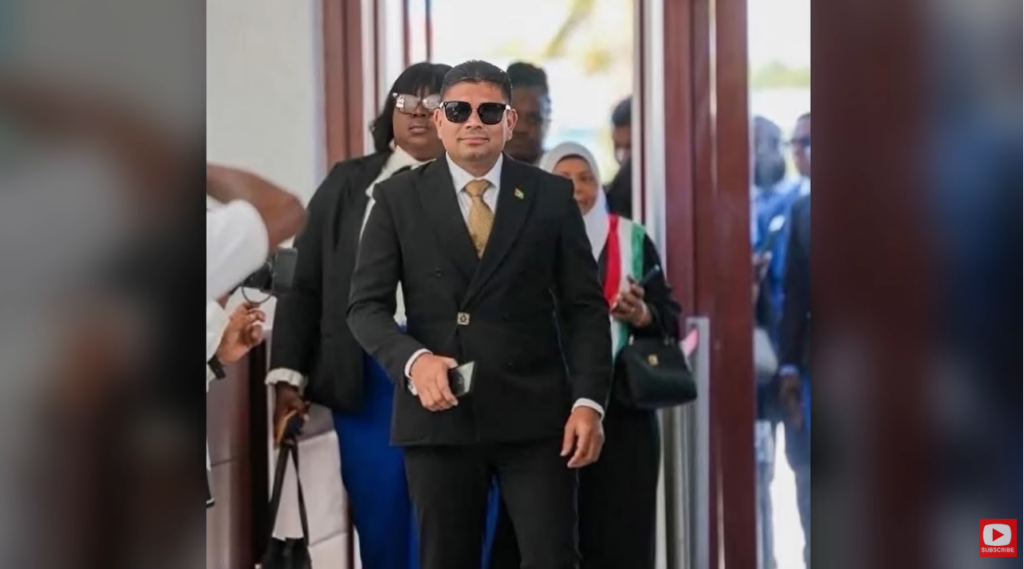
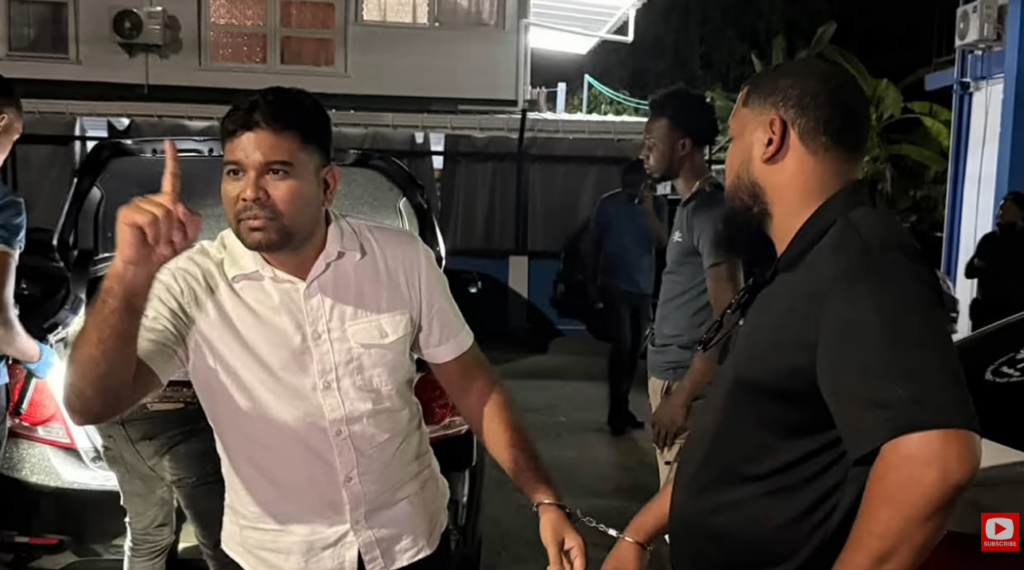
Four days after the October 12 shooting on Barr Street, Kitty, Opposition Leader Azruddin Mohamed, his videographer Mario Mohamed and his driver Eugene Thorne stood before a magistrate. A month later, the public still awaits a charging decision about Senior Superintendent Prem Narine, the head of Special Branch. The Guyana Police Force’s own account says Narine heard what he believed was a gunshot and fired several rounds towards their car. Justice must be applied, equally and fairly, to everyone. By the same token, Azruddin Mohamed and his employees must be exonerated by discontinuing their charges.
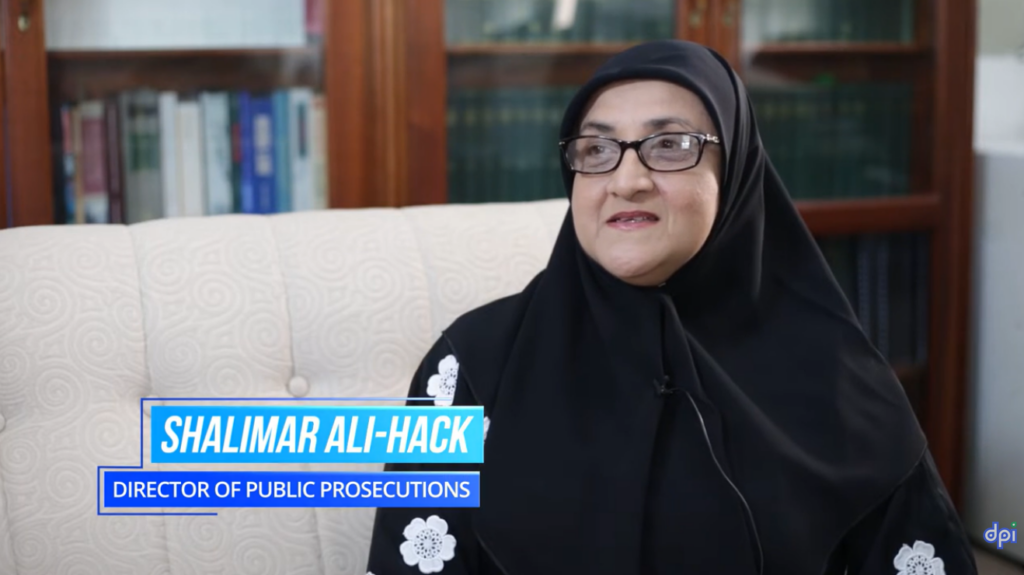
We call on Director of Public Prosecutions Shalimar Ali-Hack, SC, to withdraw the alleged illegal possession of firearms, ammunition and the obstruction charge against all three men immediately. The evidence completely refutes the allegation that they fired at or near Narine’s home to intimidate him as a witness, or threaten him. At the October 16 hearing, the prosecutor acknowledged that the State then had no direct evidence identifying who fired the alleged round.
Reports have since emerged from the DPP’s Office itself, that Narine did so, and that there was gunshot residue on samples attributed to Azruddin and Mario Mohamed. The laboratory’s own explanation says that being near gunfire or touching a contaminated surface can also leave residue-the very essence of reasonable doubt that vitiates the reasonableness of a charging decision. Moreover, there is no evidence that any one of these men intended to interfere with Narine’s testimony. Each is entitled to the constitutional presumption and protection of innocence.
That same scrutiny must extend to the firearm and ammunition charges, and whether, given the documented indecent haste and perverse vendetta to get rid of the Opposition Leader at all costs, that the gunfire residue was planted. It was also reported that officers’ statements placed the discovery of the pistol at Kitty Police Station, after police had driven the car there, and initial searches by them came up with none. The fact that they had custody of the vehicle and its keys between the stop and the search is dispositive of the three men’s innocence.
Evidently, from the State’s own case, there is no reliable evidence to establish that each man knew of and possessed any weapons. Article 187 empowers the DPP to discontinue proceedings before judgment. We urge her to exercise that power now on every count because the evidence against the individual accused falls way short, and is bereft of belief or credibility.
We also call for immediate charges against Narine wherever the evidence warrants them. The DPP has the full home-camera recording-from Narine himself. She must acknowledge that the claim of self-defense against that recording, the police footage, the ballistics and the witness accounts, leave her with no case.
In stark contrast, Narine faced no danger when he fired each shot. He did so recklessly, and with the intent to murder, in a densely populated area in Kitty. The evidence mandates the institution of felony charges of an unlawful shooting at the 3 people in the passing car, and nearby residents, with intent to kill, and/or attempted murder under section 103(g) of the Criminal Law (Offences) Act. It also supports unlawful and malicious shooting with intent to cause grievous bodily harm, contrary to section 55(a).
The DPP is supposed to be an independent officer of the court and a minister of justice. Her own Chambers invoked that duty in its November 9 statement. Guyana’s Code for Prosecutors requires her to weigh evidence that assists the defense and to keep every charge under review. As a former magistrate, prosecutor and Police Legal Adviser, I urge her to put an end to the recurring controversy over her decisions by explaining how she has applied the same standard to the men in the car and the officer who viciously fired towards them.
We fear Guyana is losing the separation of powers on which the independence of its three branches depends. The Executive must answer for the conduct of the police. The National Assembly must be free to question ministers about that conduct, even when the officer involved heads Special Branch. The Judiciary must decide the cases before it, free from official pressure. In Bisram v Director of Public Prosecutions, the Caribbean Court of Justice upheld that principle when it set aside the DPP’s direction to a magistrate to commit Bisram for trial. The DPP likewise has the constitutional independence to act on the evidence, regardless of who the offender is. Guyanese, within Guyana, or outside Guyana, and every institution concerned with human rights, justice and due process, have every right to ask her to exercise it now, as we hereby do.
Yours faithfully,
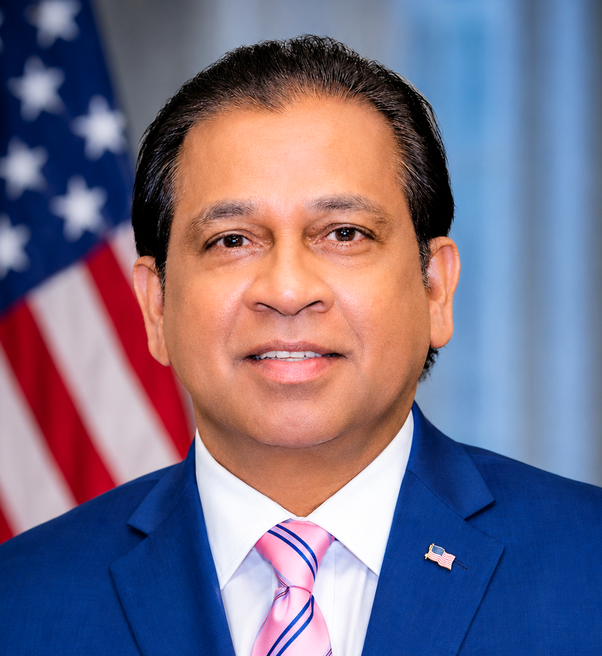
Hon. Albert Baldeo
Former Magistrate, Senior State Counsel and Police Legal Adviser, Guyana
Community Leader and Judicial Delegate, NY
President, One Guyana, Beyond Borders