By Black Star News
Photos: Wikimedia Commons
The brazen-faced audacity of ingratitude spewing from Africa’s two “Souths” have collided in conspiring against Ugandans almost concurrently: South Sudan slaps visa requirements on Ugandans and South African xenophobic attacks on foreign nationals of African descent forces Uganda to repatriate its citizens back home.
Sheer ingratitude because before Juba seceded and became autonomous from the main Sudan capitalized in Khartoum in July 2011, South Sudanese nationals and the Sudan People’s Liberation Army—the armed fighters against then president Omar al-Bashir—took sanctuary in Uganda. “NOTE: Uganda was a crucial and strategic ally to the Sudan People’s Liberation Army (SPLA) during its decades-long struggle for independence. Visa policies should be reciprocal,” suggests journalist Gabriel Buule in a 19 July post on X.
To date, South Sudanese have settled in Uganda where they have established themselves as professionals, business-people and even landlords. With Uganda being Africa’s biggest refugee-hosting country at about two million refugees, the majority are actually South Sudanese enjoying all the social amenities; including education and healthcare services alongside Ugandan citizens. It is imperative to note that South Sudanese resident in Uganda are enjoying the best standard of living with disposal incomes than Ugandan citizens.
Refugees in Uganda are free to seek employment and even open businesses without let or hindrances.
But a statement from Juba’s Interior ministry now flummoxes Ugandans: South Sudan has introduced new visa regulations, granting visa-free entry only to nationals of Egypt and Tanzania. According to the Interior ministry, citizens of nearly all other countries—including Uganda—will have to require visas to enter Africa’s newest and 54th nation. Whereas South Sudan nationals enter Uganda entirely visa-free, Ugandans are required to fork out $50 for a single entry visa, $125 for three months’ multiple-entry and a pocket unfriendly $250 for six-months’ multiple entry. Also members of the East African Community (EAC) to which South Sudan, too, subscribes, nationals from the Democratic Republic of Congo (DRC) and Kenya are bundled together with Uganda for them to enter South Sudan territory.
Yet, the EAC Common Market Protocol allows free movement of people, labor and services within its member States locations. On January 1, 2024, Uganda scrapped visa requirements for DRC nationals entering Uganda. DRC had recently become Uganda’s biggest trade market in Africa. And come January 1, 2027, Chad will remove all visa requirements for all African citizens entering its soil. The Chadian government says the policy aims to strengthen African unity and enable easier free movement of people, goods and services across the continental borders. Chad now becomes the eighth African country to grant visa-free access to all African citizens in the company of its peers Congo-Brazzaville, Kenya, Rwanda, Togo among others. Such countries’ decisions to scrap visa requirements illuminate the continent’s broader push to eliminate travel restrictions in line with the African Continental Free Trade Area ratified in March 2018. It is also in line with the African Union Agenda 2063.
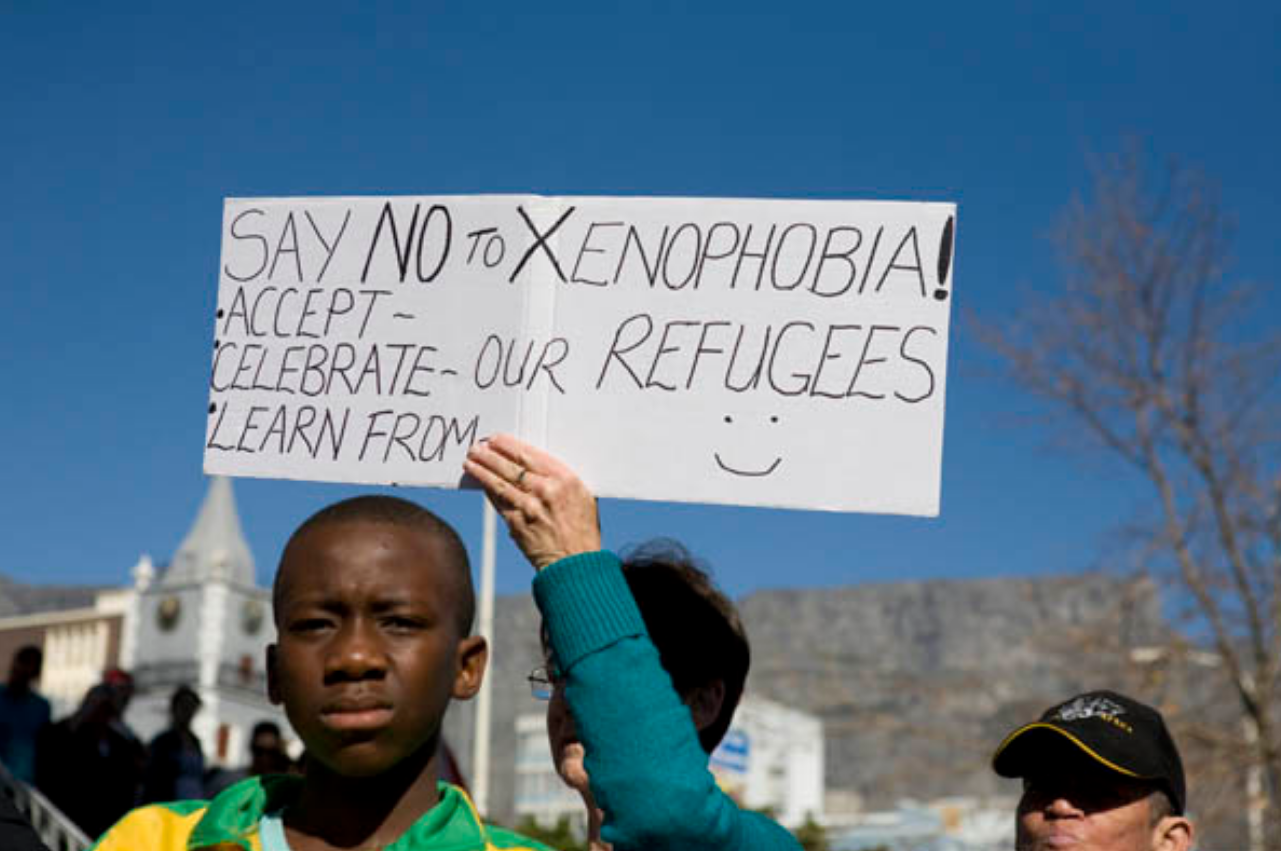
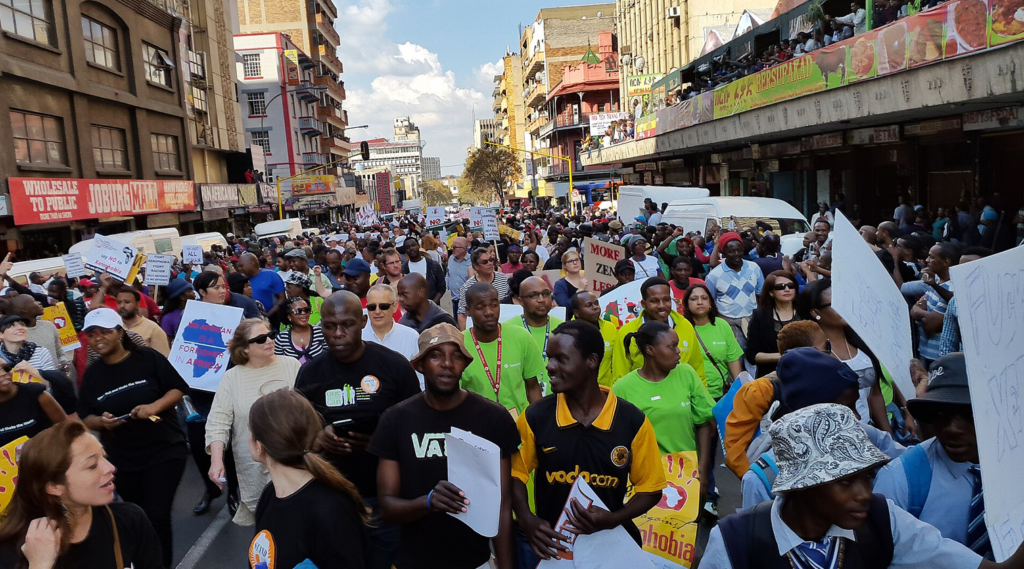
South Africa, on the other hand, after enjoying years of solidarity and support from the October 1962 independent Uganda up today’s Gen Yoweri Museveni’s regime against the segregative apartheid minority regime, has kicked the ladder that helped it defeat apartheid. Uganda has just concluded the repatriation of its nationals from xenophobic attacks against citizens of Africa in Nelson Mandela’s Rainbow Nation.
Uganda played host to African National Congress (ANC) fighters until 1994 when South Africa gained majority rule under ANC with the release from Robben Island incarceration of Mandela after 27 years. “The ANC [current ruling African National Congress and South Africa’s anti-apartheid fighting political party of Mandela], which I have supported for over 60 years, not just in words but through actions as well, and then I hear that my bazzukulu [which is a local dialect for grandchildren] are being called xeno? They can say that some Ugandans went there through the wrong channels, but to call them xeno is the language of an enemy,” Museveni decried as he passed out 1,030 returnees from South Africa in a July 19 ceremony at the National Leadership Institute in Kyankwazi near the capital, Kampala.
Uganda lost three citizens to xenophobic attacks that escalated against African nationals in South Africa this year. Museveni has cautioned Ugandans against retaliating against South Africans resident in Uganda in anyway and they remain free to run their businesses in the country.
Uganda has repatriated 738 adults and 292 children; totaling 1,030 returnees with the Ministry of Foreign Affairs saying its High Commission in Pretoria has already registered more 600 Ugandans still resident in South Africa. “It is better to help a hen, because you can eat its egg; it is better to help a goat, because you can drink the soup of its meat…,” so sang a Kenyan musician of yore in Kiswahili.
As the two Souths—South Sudan and South Africa—kick the ladders that helped pick them from the deepest of pits, the spirit of ingratitude is lain bare and well-pronounced in a show devoid of shame which must be bothering post-independent unity-preaching Africa’s founding fathers in their graves.
