By Black Star
Photos: YouTube Screenshots|Wikimedia Commons
As earlier expected, Gen Yoweri Museveni has finally assented to the Protection of Sovereignty Bill, 2026, formally making it a law.

According to a May 17 statement from State House, the new law is intended to provide for the protection of the sovereignty of the people of Uganda; designate the Department responsible for peace and security in the Ministry responsible for Internal Affairs as the implementing authority; provide for the registration and regulation of agents of foreign entities; regulate funding and other forms of assistance to such agents; and for related matters
“President Yoweri Kaguta Museveni has this evening [May 17] assented to the Protection of Sovereignty Bill, 2026, formally making it a law. With the Presidential assent, the Bill now becomes law and will guide implementation by the relevant state institutions in line with existing legal and policy frameworks,” the statement explains.
Drafted on March 3, the Bill was approved by cabinet and endorsed by the ruling National Resistance Movement caucus later that month.
Human Rights Watch (HRW) then said on April 23 that the Bill mimics “rights-abusing governments” deemed to violate international law.
HRW said the Bill, now law, is part of a broader campaign by the Ugandan government to clampdown on free expression and peaceful assembly, that has included arresting and bringing criminal charges against political opponents and their supporters, as well as critics of government officials.
“The Protection of Sovereignty Bill is the latest example of the government’s efforts to stifle dissent and inhibit political or social organizing and participation,” HRW’s senior Africa researcher, Oryem-Nyeko said, adding: “The proposed Bill [now signed into law] copies a repressive tool used by other abusive governments to crush exercise of rights and stigmatize human rights defenders, independent media and other dissenting voices.”
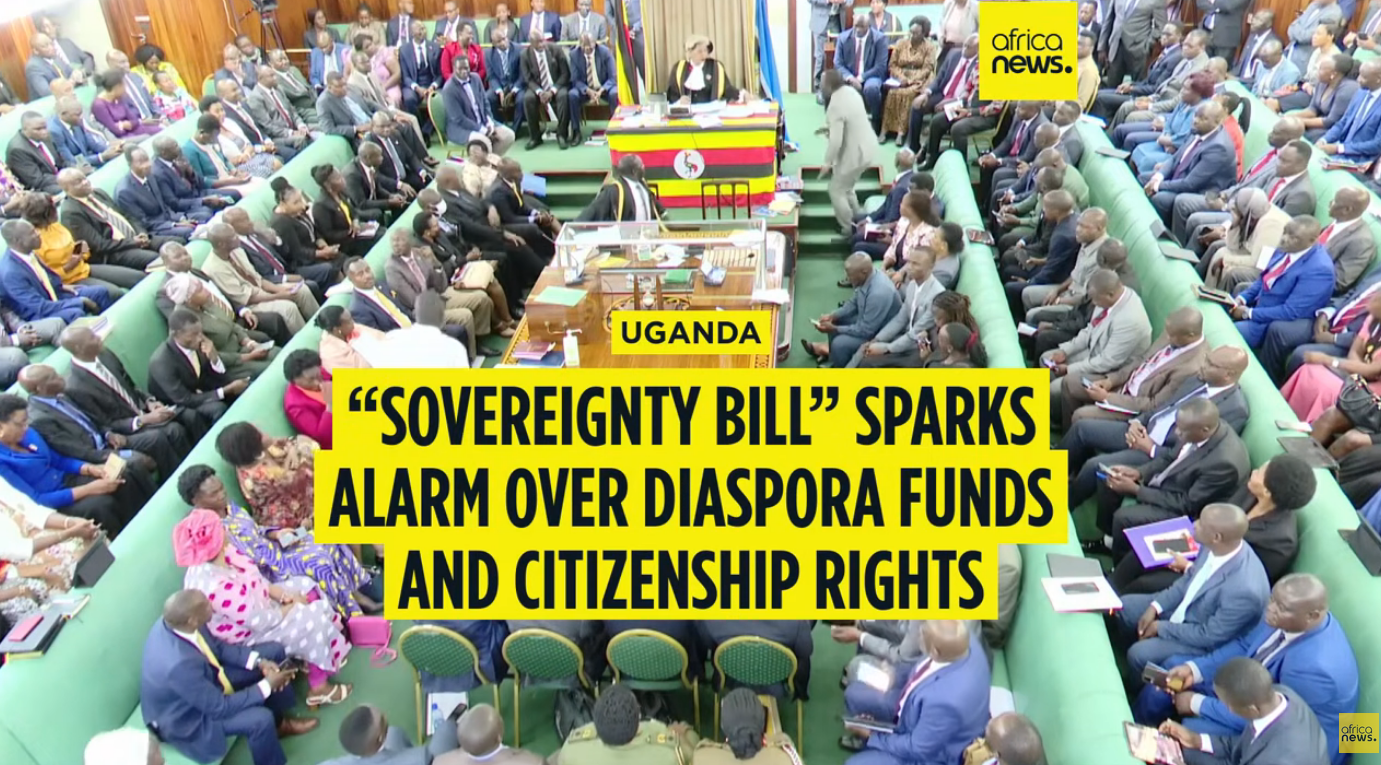
On April 30, however, Museveni came out to publicly disown the Bill which was tabled on the Floor of Parliament on April 15 and hurriedly passed through the First and Second Reading before even constultations and public participation could conclude. Museveni denied the Bill saying it was not the one he had initiated. The Bill generated a lot of heated debates, fears and outright rejection from citizens, civil society actors, elders and religious leaders, lawyers and human rights defenders, academicians, banks, medics, among other stakeholders.
The Bill was said to target members of the political opposition, journalists, Non-Governmental Organisations, Civil Society Organisations and human rights groups.
Following Museveni’s denial, the raw Bill was then retreated to the scrutinizing Joint Parliamentary Committee on Defence and Internal Affairs, and that of Legal and Parliamentary Affairs for trimming under tight military and security deployment.
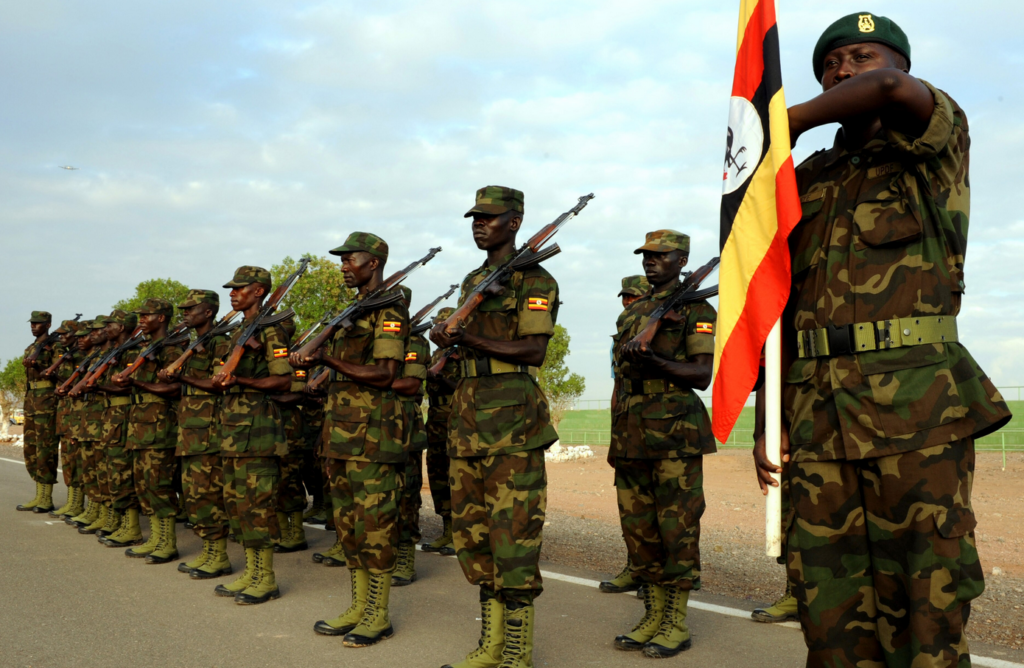
Parliament then overwhelmingly enacted the Bill into an Act of Parliament on May 5; again amidst heavy military deployment at the precincts of the august House.
“With the Presidential assent,” the State House statement announces, “the Bill now becomes law and will guide implementation by the relevant state institutions in line with existing legal and policy frameworks.
“The Protection of Sovereignty law is expected to strengthen Uganda’s capacity to safeguard its independence in national decision-making processes, while further entrenching the constitutional principle that governance and development priorities remain anchored in national interest. It is also anticipated to improve clarity in the management of state authority, enhance institutional coordination, and support ongoing efforts to promote stability, accountability, and orderly governance.”
The State House statement adds that the law is seen as complementing Uganda’s broader development agenda, particularly in advancing economic transformation, improving public sector efficiency, and safeguarding national policy space as the country continues to engage with regional and international partners.
The International Covenant on Civil and Political Rights (ICCPR) and the African Charter on Human and People’s Rights, or Banjul-The Gambia Charter—both of which Uganda ratified—direct that laws may only limit the rights to freedom of expression and freedom of association when necessary to achieve a narrow range of legitimate goals, such as to protect national security or the rights of others. Any restrictions, according to the duel Charters—to which HRW says the then Protection of Sovereignty Bill failed the litmus test—must be proportionate to the interest to be protected and they must be the least intrusive measures capable of achieving the desired aim.
According to HRW, the Bill borrows heavily from like-minded laws enacted in Russia and such allied countries that are used to try to shut down civil society and which the UN Human Rights Committee, and the European Court of Human Rights have declared violate international human rights law. The two bodies claim that these laws mask efforts to prevent exercise of fundamental rights and protect those in power from scrutiny or being held accountable. The UN Human Rights Committee supervises compliance with the ICCPR.
“Civil society groups have a key role in the effective protection of human rights, rule of law and democratic institutions in any country,” Oryem-Nyeko sought to explain: “Uganda’s parliament members should outright reject this effort to further stifle Ugandans’ rights and focus their efforts on promoting and protecting the right to free association, alongside other fundamental civil and political rights.”
Well, no-one gave HRW and other rejecters a chance: The Bill was enacted into an Act of Parliament and now with the Executive signature, the Protection of Sovereignty has effectively become law.