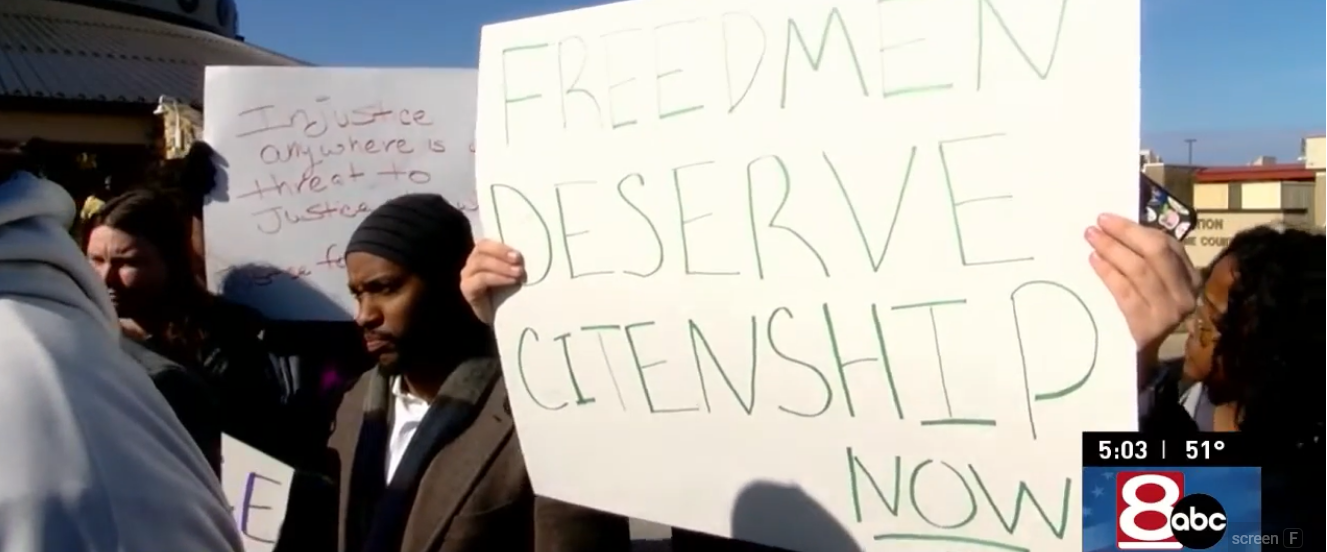
OKLAHOMA CITY — November 17, 2026— Black Creek Freedmen descendants Rhonda Grayson and Jeffrey Kennedy argue in a federal court filing that only one thing stands between them and the citizenship the Muscogee (Creek) Nation’s own Supreme Court recognized: Principal Chief David Hill’s signature.
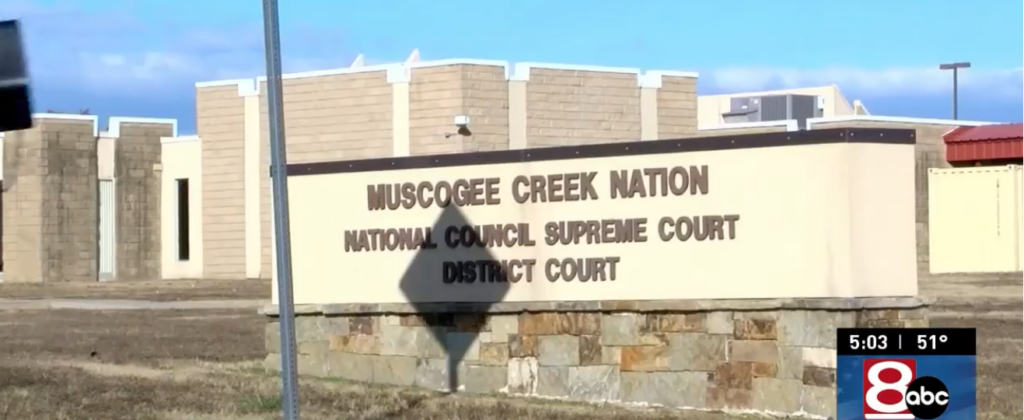
In a November 3 response to Chief Hill’s motion to dismiss, filed in the U.S. District Court for the Western District of Oklahoma, the plaintiffs argued that “the laws and constitution of the Muscogee (Creek) Nation currently require Chief Hill to issue and sign plaintiffs’ citizenship cards,” and that his refusal is an ongoing violation of federal law.
The response completes the briefing on the motion. The case now awaits a decision from U.S. District Judge David L. Russell, who may rule on the written filings or schedule a hearing.
“We already won in our Nation’s courts, twice. We have done everything the law asked of us. Now the only thing missing is a signature.” — Rhonda Grayson, Plaintiff; President, Muscogee Creek Indian Freedmen Band; director, Museum of Black Creek Freedmen History
What the filing argues
Tribal law already requires the cards. After the Nation’s Supreme Court ruled, the Chief’s own duty under Muscogee law is to issue and sign them.
The treaty is federal law. Article II of the Treaty of 1866 guarantees Freedmen and their descendants citizenship in the Nation.
Federal courts have heard this before. The plaintiffs point to Vann v. U.S. Department of the Interior, in which the D.C. Circuit allowed Cherokee Freedmen to sue the Cherokee Nation’s principal chief over their treaty rights, reasoning the Tenth Circuit adopted in Thlopthlocco Tribal Town v. Stidham (2014).
Chief Hill has argued that the federal court lacks jurisdiction, that tribal sovereign immunity bars the suit, and that Freedmen citizenship would require a constitutional amendment.
“Citizenship is our clients’ birthright. With it comes everything every Muscogee citizen is owed: the right to vote, and access to health care, housing, education and the services of their Nation. We aren’t asking any court for a new right. We’re asking that the right our courts recognized be honored, and that the cards be issued.”
Won twice, still waiting
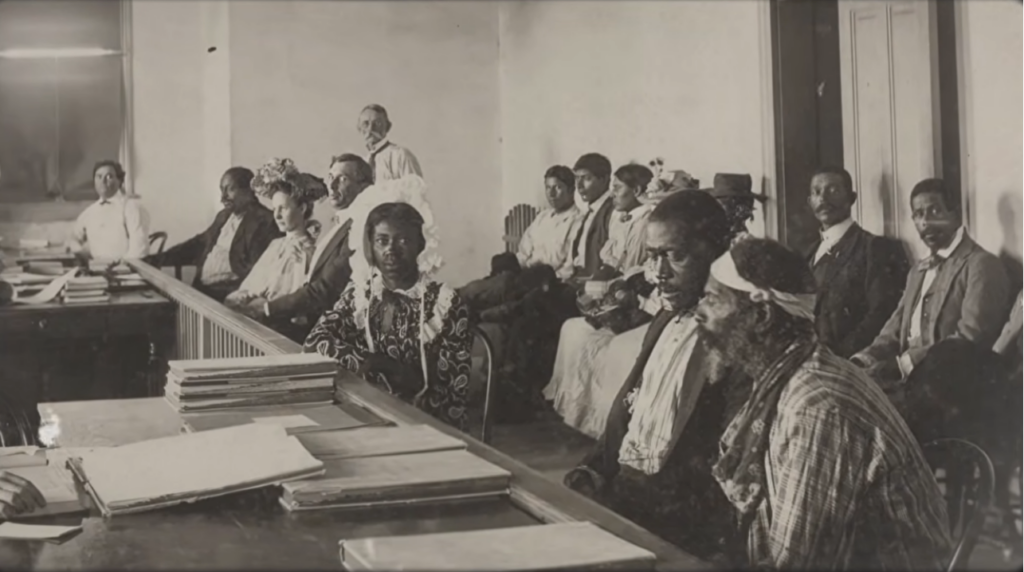
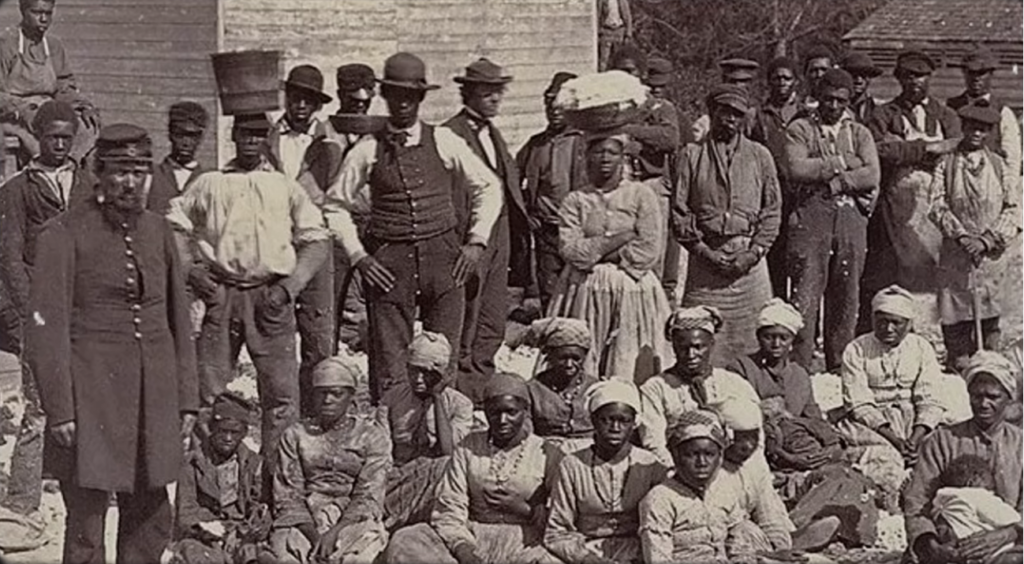
Under Article II of the Treaty of 1866, the Muscogee (Creek) Nation abolished slavery and promised citizenship to the people it had enslaved and to their descendants. The Nation’s 1979 constitution later limited citizenship to people whose ancestors were listed “by blood” on the federal Dawes Rolls, excluding the Black families enrolled on the separate Freedmen roll.
In September 2023, Muscogee Nation District Court Judge Denette Mouser ruled that Grayson and Kennedy were entitled to citizenship under the Treaty. On July 23, 2025, the Muscogee Nation Supreme Court affirmed 5–0. One month later, Chief Hill issued Executive Order 25-05, pausing citizenship cards for Freedmen descendants. More than 4,000 people have applied since the ruling. Grayson and Kennedy filed suit in federal court on July 23, 2026, one year to the day after the ruling.
“The Muscogee Nation’s own courts have already decided this question, and the Treaty of 1866 is federal law. Federal courts have long allowed tribal citizens to ask that a tribe’s officials follow that law, and our brief asks the court to do the same here. The plaintiffs are not asking for anything new. They are asking that a final judgment of the Nation’s highest court be carried out.” — Lauren Briggerman, co-counsel for the plaintiffs, Squire Patton Boggs
It has been done before
In 2017, a federal court upheld the citizenship of Cherokee Freedmen under the Cherokee Nation’s own 1866 treaty. The Cherokee Nation accepted the ruling without appeal and began processing Freedmen applications.
National briefing
Grayson and legal counsel will walk through the filing, what the court could do next, and what the wait has meant for the more than 4,000 people who have applied.
Date: Thursday, November 19, 2026
Time: 3:00 p.m. CT
Registration: Sign up at www.JusticeForBlackCreeks.com/rsvp
Speakers: Rhonda Grayson, Damario Solomon-Simmons and Lauren Briggerman
MEDIA CONTACT:
Chris Harvey · [email protected]
Read the most recent filings here.
ABOUT GREENWOOD
Greenwood, most revered for “Black Wall Street” was co-founded by Black Creeks—it became one of the most prosperous, organized, and successful Black communities in United States history, and a place for Black people to escape the political, economic, and social oppression of southern lawmakers post-civil war.