By Black Star News
Photos: YouTube Screenshots|Wikimedia Commons
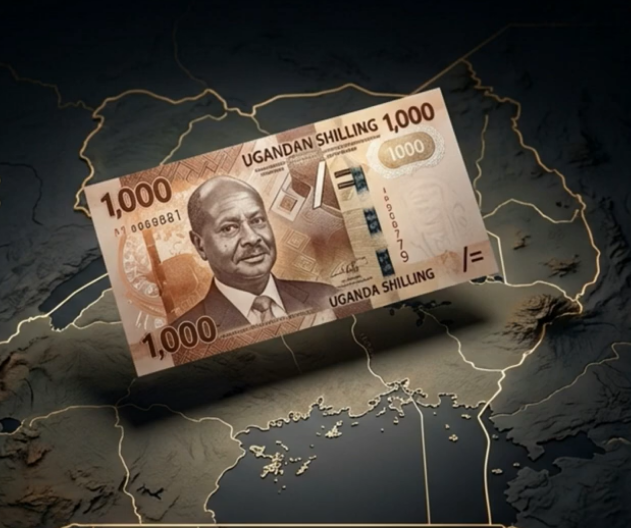
Ugandans are paying the heaviest price of the rapidly falling Uganda Shilling against the US Dollar as the October 2026 Uganda Shilling depreciates to a record low. Economic commentators in Uganda tracking the intensifying economic strain have quoted commercial banks trading values past the 4,027 mark; worried that the Uganda Shilling has plunged to an all-time record low, breaching the critical psychological threshold of Shs 4,000 per US Dollar.
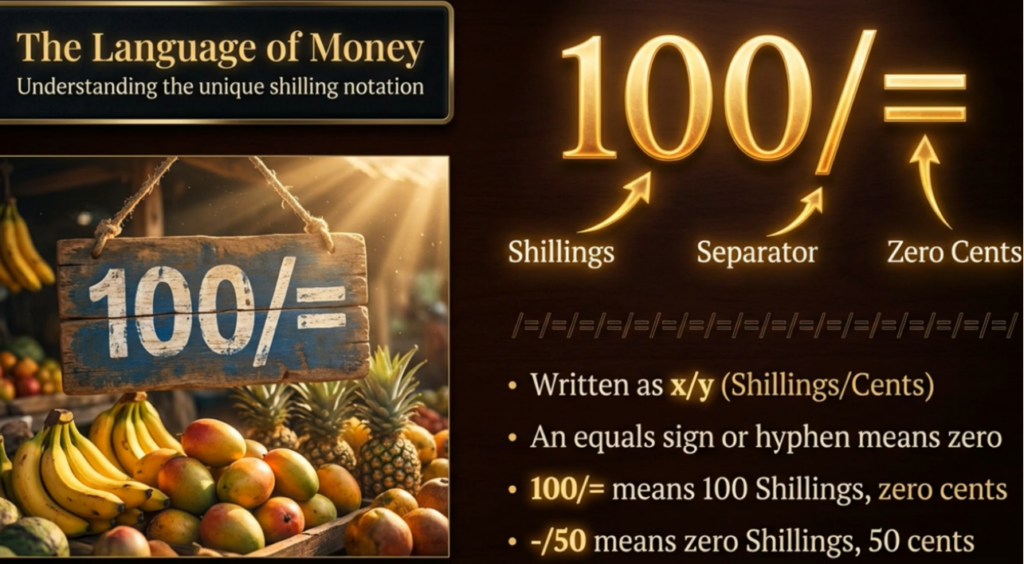
The Exchange Rate of the local currency has lost over 300 shillings in recent months, accelerating its decline past UGX 4,000/USD. “The Uganda Shilling lost more than 300 shillings in 7 months, a depreciation of about 12% due to these 5 forces at the same time: Seasonal dollar rush—Q[uarter]4 imports, fuel double squeeze, offshore investors exiting, Bank of Uganda not defending and confidence shock—Sovereignty Bill,” Ugandan Economist and lawmaker, Dr Patrick Wakida said on October 7.
According to Trading Economics, the USD/UGX exchange rate rose to 4096.9300 on October 8, 2026, up 0.54% from the previous session. “Over the past month, the Ugandan Shilling has weakened,” said Trading Economics. Trade Economics provides its users with accurate information for 196 countries including historical data and forecasts for more than 20 million economic indicators, exchange rates, stock market indexes, government bond yields and commodity prices. “Our data for economic indicators is based on official sources, not third party data providers, and our facts are regularly checked for inconsistencies. Trading Economics has received nearly 2 billion page views from all around the world,” it claims. Uganda runs a free market economy where forex is bought and sold in privately-run Forex Bureaux.
In July, the Ugandan currency depreciated against the Green Back by 3.2%.
The Central Reserve—Bank of Uganda (BoU)— says it does not fix or directly control the exchange rate. Uganda operates a floating exchange rate system; meaning the value of the Uganda Shilling is mainly determined by demand and supply for foreign currencies like the US Dollar. “BoU may occasionally buy or sell foreign currency—not to force the shilling to a specific value, but to reduce excessive volatility and maintain stability in the market,” the Central Reserve asserts.
Appearing before the Joint Parliamentary Committee on Defense and Internal Affairs as well as Legal scrutinising the Protection of Sovereignty Bill, prior to its enactment on May 5, BoU Governor, Michael Atingi-Ego declared that “a country without reserves is not sovereign”. Said the BoU Governor at the time: “The potential of this Bill to destabilise Uganda’s balance of payments is our primary concern as a central bank,” said Atingi-Ego in his institutional view on April 28: “For example, last financial year [2025], the overall balance of payment surplus was US$1.5 billion. That’s how we were able to increase our reserve coverage by US$1.5 billion. Today, as we speak, our reserves are close to US$ 6 billion. Why? Because these [foreign] inflows have been coming in. The moment you tamper with these inflows here, we risk running down our reserves and that is economic disaster for a country.”
The Protection of Sovereignty Law criminalizes foreign funding inflows associated with Non-Governmental Organizations (NGOs), partnerships or advocacy linked to international entities with sweeping definitions of “foreign interference”. NGOs which hitherto employed more Ugandans than the Government of Uganda and balanced foreign inflows into the country, were chased following government accusations of their interference in Uganda’s internal affairs. Signs and symptoms of foreign inflows haemorrhage into Uganda’s economy started rearing its ugly head when then largest NGO in the country, Democratic Governance Facility (DGF) was forced out of the country before the 2021 general elections. The UK and EU countries’ DGF was basically engaged civic activities in the country which government blamed for interference in Uganda’s internal politics. Some hotels—previously booked by NGOs—are said to have so far closed down due to lack of business. Foreign remittances from Ugandans abroad, especially those in the warring Middle East, have significantly dwindled.
The current trend of the Uganda Shilling is also attributed to sustained or delay in closing the peace deal that would inevitably end the war between the US and Iran. The war which started on February 28 with US/Israel attacking Iran has adversely affected fuel supply characterized by hoarding and Christmas shopping, according to economic analysts. Iran has since closed the Strait of Hormuz in its territorial waters; the critical waterway through which about 20% of the world’s fuel supply transits.
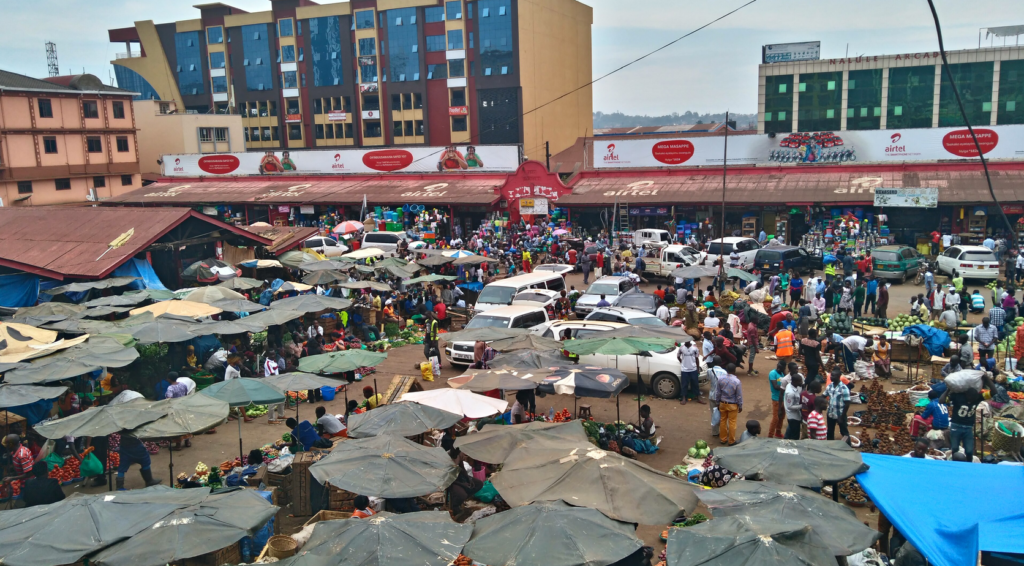
As ordinary Ugandans face the dance of the hiked fuel prices and the tanking Uganda Shilling, the current market pinching situation—October 2026 —core drivers are said to be forex dealers and BoU attributes the steep depreciation of the Ugandan currency to heavy corporate dollar demand from manufacturers and energy importers, coupled with global oil price shocks and capital flight fleeing toward higher US yields. And although one of the characteristics of money is that it must be scarce, the real-world impact money scarcity is the immediate pressure causing domestic fuel prices to drastically jump toward UGX 7,000 per liter; driving up transport fares, food prices and import costs for ordinary citizens.