By Team Zeteo
Photos: Wikimedia Commons
On Tuesday, Keiko Fujimori will become Peru’s new president, bringing Fujimorismo, a controversial political creed, back into the limelight.
After three failed presidential bids since 2011, Fujimori hopes to finally deliver her vision of a new “order” for Peru. But many remain skeptical, given her family’s legacy of corruption. So as Peru prepares for a president with a deeply divisive surname, here are seven things you need to know.
1. She Is the Daughter of Alberto Fujimori
Alberto Fujimori’s decade as president of Peru from 1990 included a bizarre self-coup, in 1992, and ended in 2000 in a manner that has become common in Peruvian politics: amid serious scandal. Triggered by a video of his intelligence chief bribing an opposition congressman, Fujimori’s government collapsed. Eventually, Fujimori fled to Japan and resigned by fax.
While supporters credit him for defeating Shining Path, a Maoist rebel group which fueled decades of violence, Fujimori’s legacy is also defined by serious human rights abuses including death squad killings, civilian disappearances, and forced sterilization of thousands of Indigenous women. In 2009, he became the first democratically elected Latin American leader convicted for human rights violations, stemming from his role in the Barrios Altos and La Cantuta massacres, in which military death squads killed 25 people, including an 8-year-old boy.
2. She Rose to Power Before She Was 20
Keiko Fujimori’s road to political power didn’t begin on the campaign trail, but inside the presidential palace.
She replaced her mother as first lady at just 19 years old, following her parents’ separation, in which her mother, Susana Higuchi, testified that her father had her tortured. Keiko Fujimori went on to attend three U.S. colleges: Stony Brook University, Boston University, and Columbia in New York. At Columbia, she met her husband, Mark Villanella, a fellow MBA student from New Jersey, who was also probed over corruption in 2018. They divorced in 2022.
3. She Spent 15 Years Trying to Become President
After her father’s downfall, Fujimori was elected to Congress in 2006 and became the new face of Fujimorismo – the political movement built around her father’s legacy – as leader of the party now known as Fuerza Popular (Popular Force), which she founded in 2010. Running for president in 2011, 2016, and 2021, she lost each time in a runoff. Her fourth attempt this year came with many Peruvians voicing frustration fueled by instability, rising crime, and – somewhat ironically – government corruption. Although she only managed to attract 17% of the vote in the first round, Fujimori’s promise to maintain “stability” spoke to enough voters to push her across the line in the second round, which she won with a tiny margin.
4. She’s Obsessed With ‘Order’
Fujimori made “order” the backbone of her pitch, stating during her debate against left-wing candidate Roberto Sánchez: “We need order – order to live, order to invest, order to work.” Promising stability and national strength at a time when voters are exhausted by political chaos is a familiar political strategy among authoritarians seeking power during moments of crisis.
5. She’s Had Scandals of Her Own
Fujimori allegedly accepted illegal campaign funds and spent more than a year in pre-trial detention. Prosecutors claimed she received illegal donations from Brazilian construction company Odebrecht and lied about where the money came from. She denied wrongdoing, and the case was dismissed days before she announced her fourth run for president, last October.
In 2021, when Fujimori’s third attempt at the presidency ended in defeat, she blamed her failure on election fraud, a claim rejected by the government.
6. One Thing She Does Not Deny: Support For Israel
After speaking with Israeli Foreign Minister Gideon Sa’ar this month, Fujimori wrote on X that she values “the friendship between Peru and Israel” and looks forward to strengthening it. Sa’ar said, “The election of President Fujimori is good news for all those who believe in the values of freedom and in the determined and unwavering fight against terrorism and organized crime.”
7. Peruvians Are Not Necessarily Celebrating Her Win
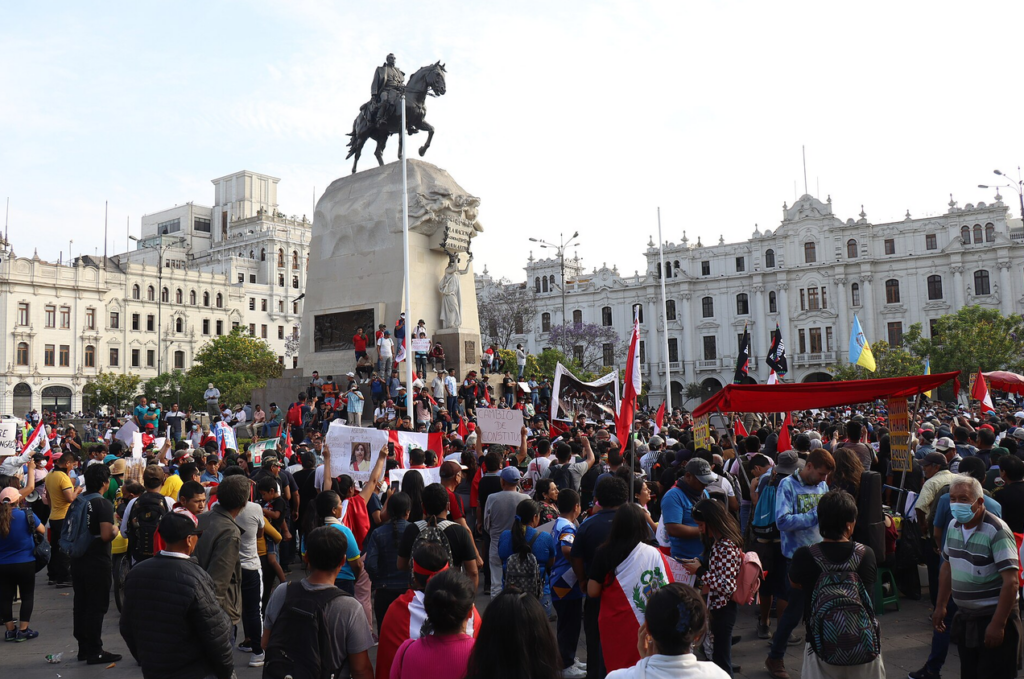
Reflecting a deeply divided country, the run-off was tight, Fujimori winning 50.13% of the vote and Sánchez 49.86%. Which begs the question: Did Peru choose a new future, or is it about to return to the past?