By Arnold J. Oliver
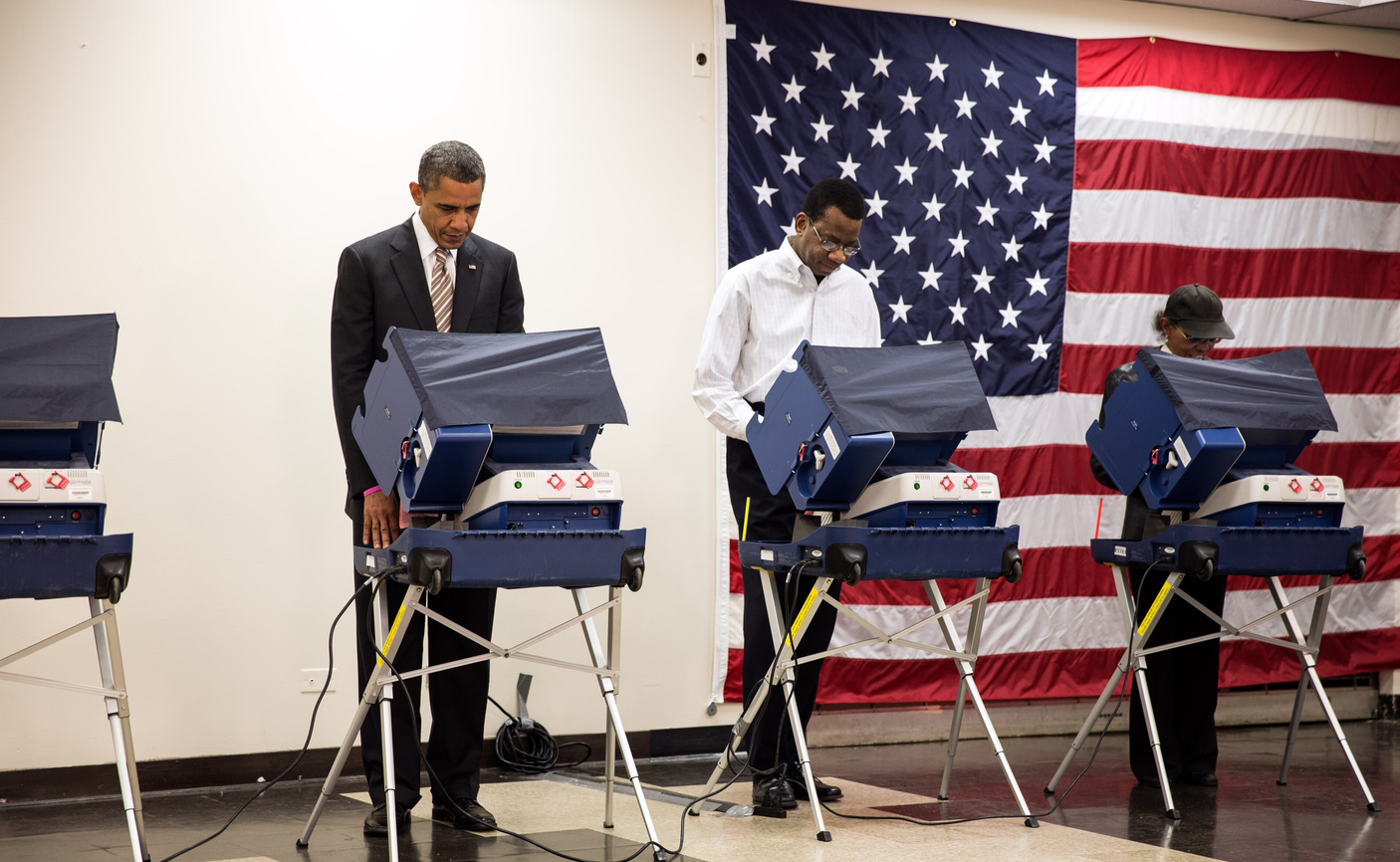
Photos: Wikimedia Commons
I am among the many Americans who did not vote in our elections at one time. I believe I was wrong not to do so and I will attempt to convince you current non-voters to change your mind.
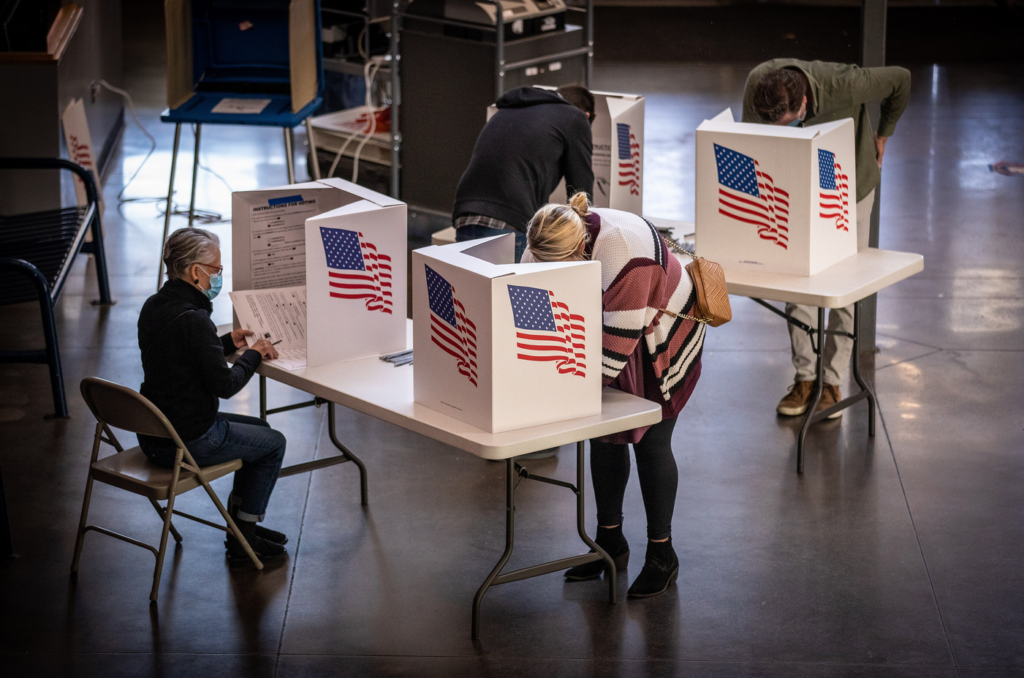
And there are many of you. Even among those registered, 10 percent do not cast ballots. In the 2024 national elections, fully 10 percent of registered voters did not turn out. That is 18 million registered non-voters in a closely fought election decided by two million votes.
When I was quite a bit younger and before I knew much history I had little understanding about the long struggle for the right to vote and the democracy of which it is a key part. Most of humanity for most of our history has been governed by narrow cliques of thieving oligarchs or autocratic royals, many of whom relied on violence and terror to retain power.
At the start of the democratic era it took great courage to stand against the powers that be. But many thousands of people did so anyway, even realizing that they might well pay with their lives to resist. Great numbers of them had to know that they themselves would be unlikely to ever live to exercise the right to vote. They sacrificed their own lives and welfare so that the rest of us could live in a democratic society. Among those epic struggles were the American and French revolutions, but they were not the first. The people of ancient Athens also rose up against tyranny for democracy. Of course there were also many others.
So I argue that we owe a debt to those who struggled on our behalf. We have a duty to them to vote, and to do so intelligently as best we are able. It is easy to forget that women and minorities were excluded from voting in the United States for long periods of time, and had to struggle mightily for the voting franchise. Some of them paid with their lives. By voting, we can show respect their sacrifices.
Another argument against voting is that our votes do not count for much. Well, there is some truth to that in the United States, especially with an Electoral College winner-take-all presidential system in which our votes do not count at all if our candidate loses in our state. But on the other hand, there are many state and local offices, as well as school, park, health, safety and other local levies, for which our votes can matter a great deal. And in fact, local elections have a significant impact on the quality of our lives.
We also hear it said that politicians in general are corrupt and “all the same.” There is a grain of truth to that point of view. Many politicians are indeed narcissistic sociopaths to whom the idea of the public good is close to meaningless. But they are not all like that. In fact, politicians and parties vary in their truthfulness and honesty – at least a third of them are reasonably honest and worth supporting. It is your job as a voter to do some research and support the best of them. If you do not vote, you enable the bad guys. Nowadays it is hard to argue that there are no differences in the two major US political parties.
To be fair, there are real barriers to voting including onerous registration procedures, long lines at the polls, billionaire dark money in campaigns, and lazy “horse race” journalism that avoids issues. Negative ads and hate media increase public cynicism and increase polarization, of which we have too much already. The consultants who produce untruthful and fear-inducing media know exactly what they are doing.
It is your job to meet these challenges and support those who are working hard to address them.
If your vote did not matter, they would not work to keep you away from the polls. With freedom comes responsibilities. Voting is one of them.
Arnold “Skip” Oliver, PhD, writes for PeaceVoice and is Professor Emeritus of Political Science at Heidelberg University in Tiffin, Ohio. A Vietnam veteran, he belongs to Veterans For Peace and can be reached at [email protected].