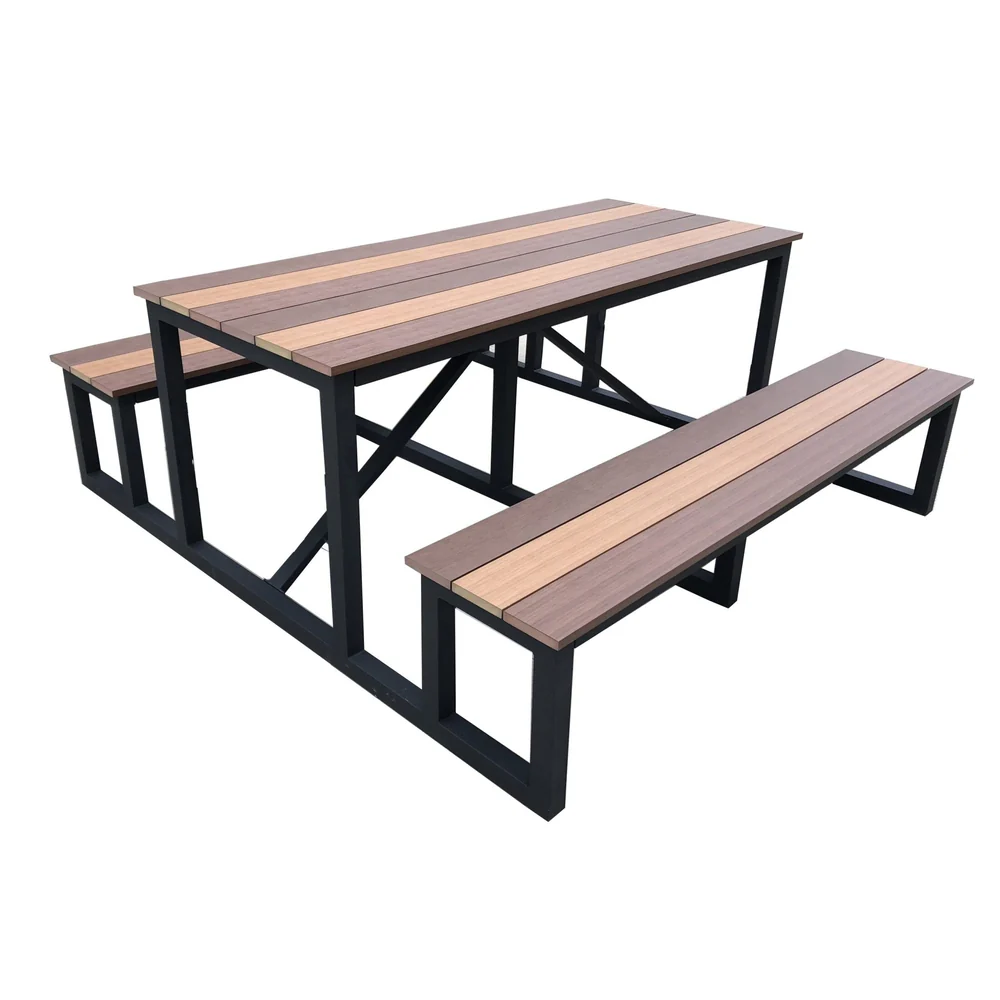
In the restaurant industry, aesthetics, durability, and functionality are pivotal in creating a successful dining space. While factors like lighting, wall decor, and seating arrangements are necessary, one key element is often overlooked the tables. Restaurant tables do far more than provide a surface for plates and glasses. They set the tone, influence customer perception, and directly affect the dining experience.
Wood tables offer warmth and elegance, metal brings in a sleek industrial vibe, and laminate is the go-to for cost-effective versatility.
Choosing the right restaurant table material isn’t just about looks. It’s about balancing style with practicality, considering your target audience, and understanding how each option performs over time. Shop restaurant tables at Restaurant Furniture Plus and learn about the most common materials-wood, metal, and laminate-and their key features and benefits to help you make an informed decision that fits your space, budget, and brand identity.
Wood Restaurant Tables
a. Overview
Wood has been a staple in restaurant furniture for centuries. Whether you’re going for a rustic farmhouse feel or a refined fine-dining atmosphere, wooden tables lend a sense of warmth and sophistication that few materials can match.
b. Pros
1. Timeless Aesthetic: Wood tables provide a luxurious, classic appearance that appeals to many diners. They naturally elevate the ambiance and make spaces feel more inviting.
2. Refinishable: Wooden surfaces can often be sanded and refinished, extending their lifespan significantly.
c. Best For:
Fine dining restaurants, upscale cafes, and establishments that prioritize ambiance and longevity over low upfront costs.
Metal Restaurant Tables
a. Overview
Metal tables are a favorite among modern and industrial-style eateries. Often made of stainless steel, aluminum, or powder-coated iron, these tables are as functional as they are stylish. They’re especially popular in bars, quick-service restaurants, and outdoor patios.
b. Pros
1. Less Care: Wiping down metal surfaces is a breeze. They don’t require special treatments or coatings and are less prone to staining.
3. Modern Look: Sleek, minimal metal tables lend themselves well to contemporary or industrial decor themes.
c. Best For:
Industrial-themed restaurants, rooftop bars, quick-service outlets, and venues that prioritize practicality and ease of upkeep.
Laminate Restaurant Tables
a. Overview
Laminate tables are known for their affordability, design flexibility, and practicality. From faux wood to vibrant patterns, laminate can mimic any finish.
b. Pros
1. Budget-Friendly: Laminate is often the most cost-effective option. It allows restaurants to furnish large dining areas without breaking the bank.
2. Design Versatility: Available in various colors, textures, and finishes. You can even simulate wood or stone without the associated costs.
3. Easy to Clean: The smooth surface resists stains and is easy to wipe down, making it ideal for fast-paced dining environments.
c. Best For:
Fast-casual restaurants, food courts, family dining establishments, or any business within a tighter budget.
Comparison Table
Shop restaurant tables at Restaurant Furniture Plus, where you can find wood, metal, and laminate options.
| Feature | Wood | Metal | Laminate |
| Aesthetic Appeal | Warm, classic | Sleek, industrial | Customizable |
| Cost | High | Moderate to High | Low |
| Water Resistance | Moderate | High | Moderate |
How to Choose the Right Material for Your Restaurant
Selecting the ideal table material for your restaurant depends on several interrelated factors. Here’s a quick guide to help you decide:
1. Restaurant Concept: Wood tables are likely your best bet for running a cozy wine bar or fine dining venue. They align with a premium look and feel. For minimalist or industrial themes, metal tables offer the right aesthetic. Laminate is perfect for bright, functional environments like cafes and quick bites.
2. Budget Constraints: If you’re opening a new restaurant and must watch every dollar, laminate provides a strong balance of function and style. For long-term value, wood may cost more upfront but lasts longer with proper maintenance.
3. Traffic & Turnover: High-volume restaurants benefit from materials that can withstand frequent cleaning and usage. Metal and laminate are suitable here, while wood might require more care.
4. Indoor vs. Outdoor Use: Outdoor dining requires materials that can withstand the elements. Treated metal is the best choice here, while wood and laminate may warp or degrade when exposed to moisture and sun.
Enhancing Customer Experience Through Table Functionality
Beyond aesthetics and durability, one of the most overlooked aspects of choosing restaurant tables is functionality and how it affects customer experience. A well-chosen table material isn’t just about appearance-it plays a role in how guests feel, interact, and enjoy their meals.
Table comfort is critical. Wood tables feel warm and natural, creating a cozy, relaxed atmosphere that encourages longer stays. While stylish and easy to clean, metal tables can feel cold to the touch, especially in air-conditioned indoor spaces or during winter. Consider using a combination of materials or padded tablecloths in cooler environments.
Tabletop space and stability are also key. Regardless of material, ensure your tables are well-balanced and appropriately sized for the number of diners they serve. Nothing frustrates a guest faster than a wobbly table or a lack of room for their dishes and drinks.
Hard surfaces like metal may amplify clanging plates and cutlery, potentially disturbing the dining ambiance. Softening the space with sound-absorbing materials or mixing in wood or laminate can help create a quieter, more comfortable setting.
When chosen thoughtfully, table materials can elevate not just your decor but your entire dining experience.
Conclusion
When it comes to restaurant tables, there’s no one-size-fits-all answer. Each material-wood, metal, and laminate has unique strengths. Wood provides elegance and warmth, which is ideal for restaurants focused on ambiance and timeless design. Metal stands out for its durability and modern style, especially in high-traffic or outdoor settings. Laminate shines in terms of cost-efficiency and design flexibility, making it a wise choice for fast-casual or budget-conscious concepts.
The best material for your restaurant tables depends on your specific goals, aesthetic vision, and operational needs. Take the time to weigh the practical advantages of each option and choose what aligns best with your brand. The right choice will enhance your dining space and improve long-term functionality and customer satisfaction.
Shop restaurant tables at Restaurant Furniture Plus to explore various styles, materials, and customizable options that meet your design and budget goals. Whether furnishing a new space or upgrading existing furniture, you’ll find high-quality solutions that seamlessly blend style and practicality.