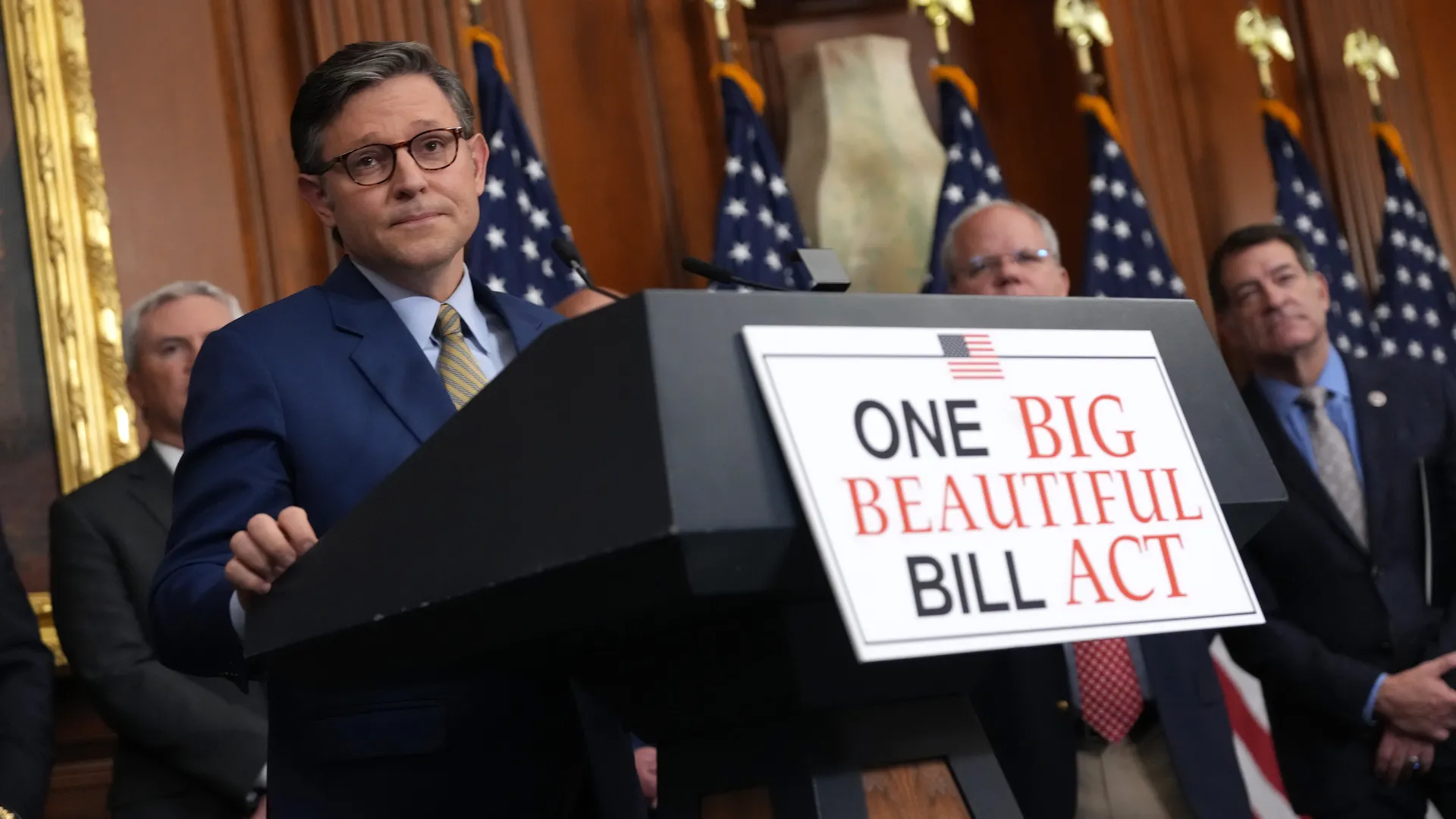
The Big Beautiful Bill, as one significant piece of legislation is known, was approved with bipartisan support, especially among Republicans, and now awaits Big Beautiful Bill 2025 President Donald Trump’s signature. The legislation spans a host of policy areas, from tax changes, to immigration provisions, to domestic spending, all directed in service of several key planks of the Trump administration. But the bill is not a single massive reform, but a multilayered piece of legislation with provisions that take effect over a series of years.
When Did the Bill Pass?
The Big Beautiful Bill squeaked through the House in a narrow 218-214 vote after much debate and negotiation. Two Republicans broke with their party to vote against the bill, a sign Big Beautiful Bill 2025 of some party strife, but the votes were still sufficient for passage of the bill. The legislation will now go to President Trump to sign, and is expected to be signed on the 4th of July, 2025 – right on cue for the American Independence day celebrations.
Also read: American Airlines Flight 1847 Emergency Landing Explained
Provisions and Their Effective Dates
This makes the Big Beautiful Bill an odd duck, as it’d be introducing portions of the law with staggered effective dates, so that different sections of the bill would come into effect at different times. This is to allow the administration and other parties to become accustomed to various aspects.
Tax Reforms:
What’s also important about today’s bill is its extension of the 2017 Tax Cuts and Jobs Act. Tax cut provisions, such as permanent cuts to individual and estate taxes, will be implemented for tax years beginning on or after Dec. 31, 2024. That is, some of these changes will be showing up in American tax returns for the 2025 tax year.
The bill would also bring about significant tax relief by striking the tax on tips (up to $25,000 for incomes below $150,000) and eliminating the tax local families have to pay on overtime (up to $160,000). These measures are designed to help lower- and middle-income earners by putting a rein on the tax bite they take, particularly for waitstaff in industries that depend on tips, such as hospitality and food services.
SALT Deductions: STATE AND LOCAL TAX.reduce the popular state Big Beautiful Bill 2025 and local tax (SALT) deduction LIMITS_open[color]=Black_packet.pack(color=LimitsColor)))reduce the popular state and local tax (SALT) deduction above the line state and local tax.deduction_2 10.10.1Translate popup.redux_translateversion.translate_menu _RetransdrvD32$_drvra45_0_5m Package popup 11.11.0menu.deduction Calculate popular SALT=FREDColor.
The cap for the SALT deduction will be increased to $40,000 for households earning up to $500,000, and this will take effect upon signing. But it is temporary, reverting to the old $10,000 cap after five years. It’s one that will especially help residents of high-tax states, many of whom have been pushing for such modifications to federal tax laws.
Medicaid and SNAP Reforms:
When it comes to health care, the Big Beautiful Bill includes a bunch of changes to Medicaid and the Supplemental Nutrition Assistance Program (SNAP). It imposes Big Beautiful Bill 2025 tougher work requirements on Medicaid, requiring able-bodied adults to work or perform community service for 80 hours each month. These changes become effective on December 31, 2026. And by 2028, states with more than a 6% error rate in running the program hit with SNAP cost-sharing. These changes are likely to dramatically narrow the scope of these programs, especially with respect to low-income families and individuals.
Border Security and Immigration:
Reflecting Trump’s aggressive views on immigration, the Big Beautiful Big Beautiful Bill 2025 Bill financially secures 10,000 ICE agents, 3,000 Border Patrol agents and a mighty, beautiful border wall. These sections will be effective upon enactment, with a full implementation date in fiscal year 2026.
This allocation of funds is also in line with Trump’s repeated efforts to further secure the U.S. southern border, largely through mass deportations as well as stronger border enforcement (not to mention his often-repeated quest to build a substantial border wall).
Military and Defense:
The legislation carries significant funding for the military, primarily aimed at modernizing the nation’s defense program. The Big Beautiful Bill, which appropriates money for the military (that began immediately upon the signing of this bill, with full implementation occurring in the year 2026). It would be used, largely, to hir… There are some places where additional border and immigration enforcement personnel” would be hired.
Energy and Environmental Policies:
The energy policies articulated in the Big Beautiful Bill are a departure from the renewables-based economics of the future (wind, solar) in favor of oil, gas, coal, and nuclear power. The bill provides tax breaks for fossil fuel industries and reduces tax credits for Big Beautiful Bill 2025 solar and wind power. In the case of electric vehicles and renewable energy, these tax credits will begin to be phased out 60 days after the bill becomes law, except for projects (like nuclear power plants currently being built) that will continue to receive subsidies until 2028.
Child Tax Credit and Trump Accounts:
The Child Tax Credit will rise to $2,500 per child and Trump Accounts (offering a $1,000 tax credit for newborns) will go into effect in 2025. Both are intended to offer financial peace of mind to families with kids, particularly those in lower-income families. However these policies will lapse in 2028 with such a short window for effect.
Also read: Kerrville Flooding 2025: Deadly Flash Floods Hit Hill Country
A Bill with Delayed Benefits
The Big Beautiful Bill is one of the most sweeping legislative packages that has passed during the Constitutional Crisis that has overtaken Washington, ranging from tax cut to immigration reform, healthcare, and military budgeting. But there are significant Big Beautiful Bill 2025 differences in when these provisions will be implemented. While some provisions will take effect once signed, tax cuts and health care reforms, in particular, won’t be fully implemented for years.
The bill still must clear several hurdles, and it will be years before the bill’s many provisions go into effect and their impact can be assessed on the economy and politics in the future.
To Support our independent investigative journalism contributions are welcome via Cashapp to: $BlackStarNews
Also support Black Star News by buying merch from our brand new Black Star Store!