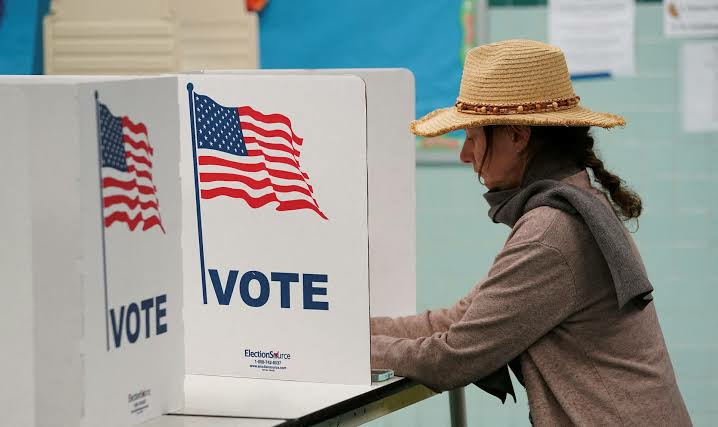
The US is holding presidential elections on November 5. The key battleground states, the length of time the vote count will last, and the promises made by the nominees.
On the actual day of the presidential election, what will take place?
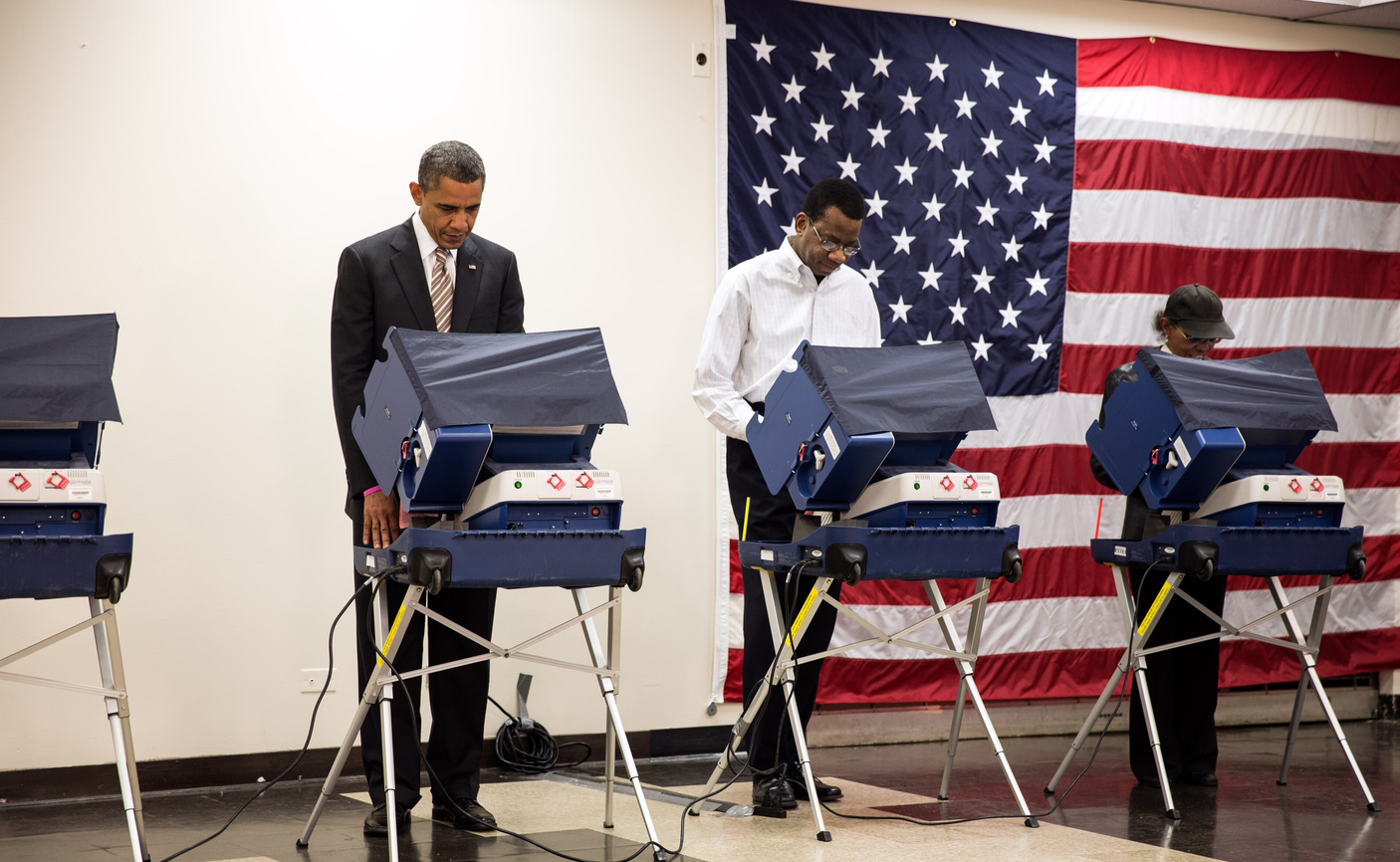
The Tuesday after the initial Monday in November serves as the date of the U.S. presidential election from 1845. It happened on November 5 this time around. On the actual day of the national vote or beforehand, voters can cast their choices in public at a polling place or by email in the presidential election. Voting in advance is also a practice among military personnel deployed internationally.
For the US presidency, who is a candidate?
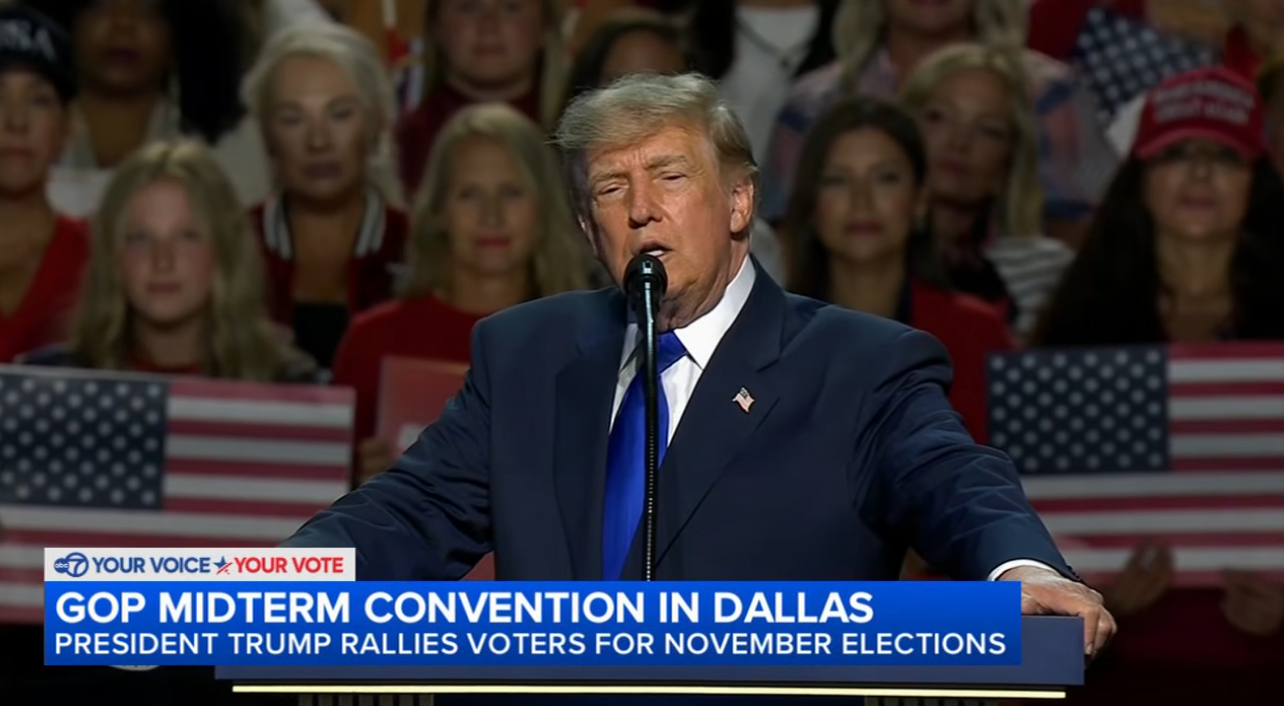
Donald Trump (78), a previous US president and Republican Party candidate, and Kamala Harris (60), the present vice president as well as Democratic Party candidate, are the 2 front-runners. President Joe Biden originally intended to compete for the Democratic Party, but he decided against it following the failed debates against Trump in June.
If she rules, Kamala Harris promised these:
1. Maintain military backing for Ukraine and avoid engaging in negotiations with Russia without Kyiv’s involvement;
2. Continue to back Israel and put a stop to the Middle East conflict;
3. Assign a Republican to a spot in his next administration;
4. “Put an end” to the practice of businesses overcharging for goods at times of high demand, like hurricanes;
5. Remove corporate tax benefits and increase the long-term gains tax to 28% for people who make more than $1 million annually;
6. Offer a maximum of $25,000 in down payment help to first-time homeowners and give them “a lot more significant support”;
7. Expand the $5,000 tax deduction for new company start-up expenses to $50,000;
8. Increase the minimum living wage and implement paid time off for illness and family demands;
9. Eliminate tip charges for hotels and service employees.
Which states will serve as the primary area of activities?
Indirect presidential elections are held in the United States, where electors from the states choose the president instead of voters. Electors are typically expected to cast their votes in line with the choices of voters, however, there are certain restrictions; state legislation ultimately determines anything. The entire number of electors, which includes members of each chamber of Congress, is 538. A large number of the applicants, or a minimum of 270, have to back one of them in order for them to win.
The competition that takes rule applies in the majority of U.S. states and the District of Columbia, meaning that every vote cast will go to the person who receives the largest number of popular support in that state. The only two instances are Maine and Nebraska, where the voter turnout is allocated based on the outcomes in every district in Congress, with only a small percentage going to the state’s winner.
The so-called swinging states those wherein the Democratic and Republican parties hold the closest positions—are very significant. Georgia (16), Nevada (6), Michigan (15), North Carolina (16), Wisconsin (10), Pennsylvania (19), and Arizona (11) are among them.