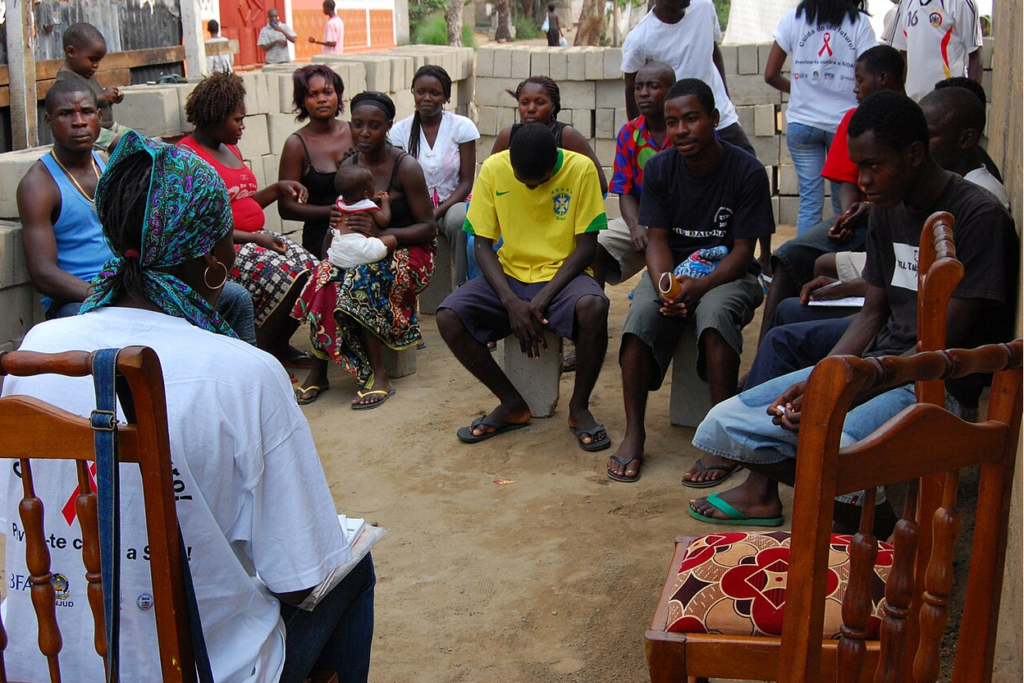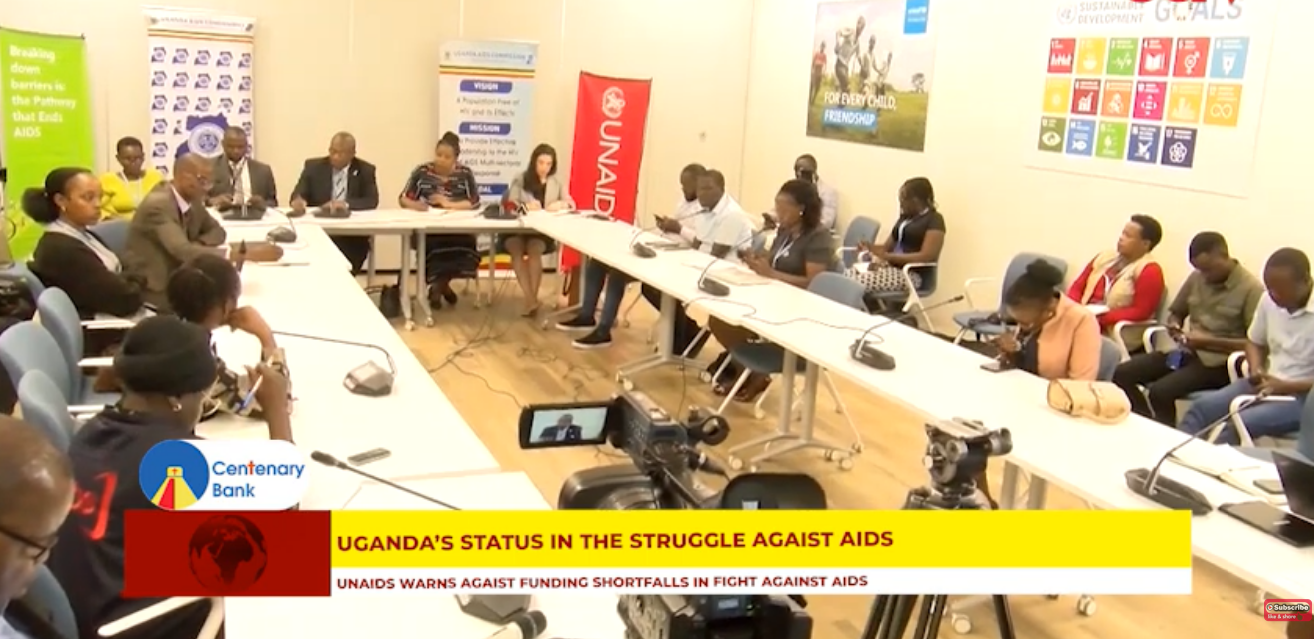
In the lead up to International AIDS Day Commemorations on December 1, Uganda has embarked on an AIDS Awareness Week spearheaded by the Speaker of Parliament, Jacob Marksons Oboth-Oboth. And it has now emerged that women are more prone to visiting the health facilities than do men.
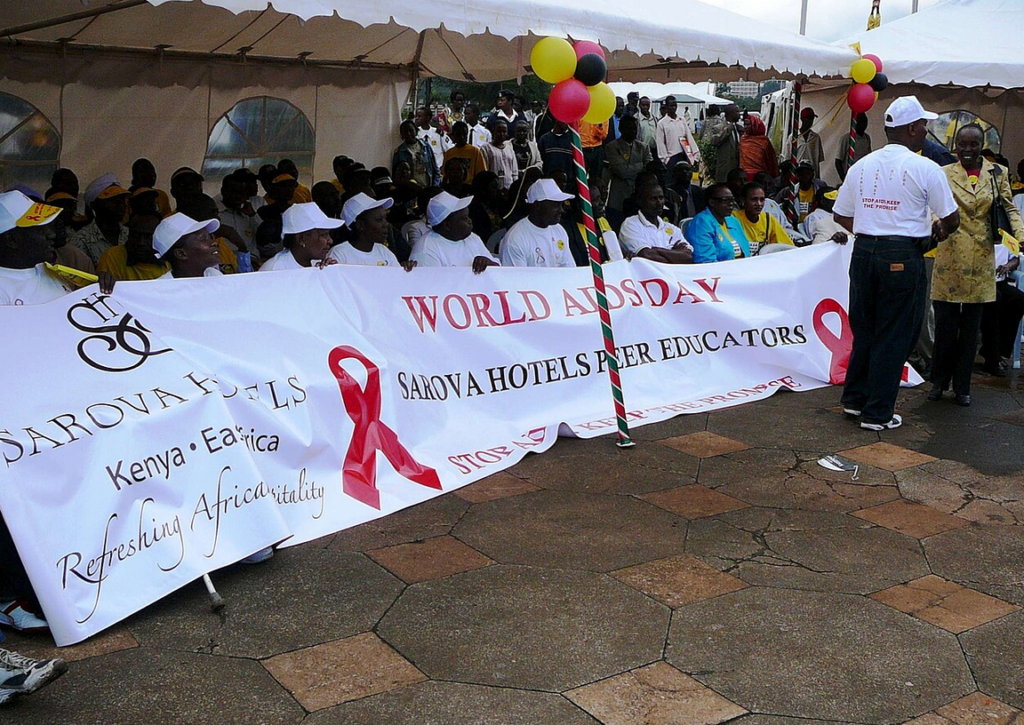
Casual observations from Uganda’s 40-year HIV program experience reveal that women in Uganda will visit health facilities to know their HIV status freely. Again, it is observed, women on anti-retrovirals (ARVs) will always pick their refills regularly without stigma and even swallow their ARVs freely and openly. Women in Uganda are highly-rated for leading the awareness and enthusiasm in the war against HIV; the virus that causes AIDS. HIV metamorphoses into AIDS once the Count-4 cells that fight pathogens in the human body drop to below 250, according to the World Health Organization.
But this awareness and enthusiasm in the women of Uganda cannot be said of young girls in their teens who are known to be more afraid of unwanted pregnancies than condomizing to prevent HIV.
“HIV,” therefore, according to the Technical Advisor for Program Development and Resource Mobilization at the Uganda Country Coordinating Mechanism for the Global Fund, Henry Mutebe, on Kampala-based Capital Radio’s Capital Gang program on November 28, “we are suffering from generational amnesia; where people think that HIV has gone away. HIV has a gendered face; very feminized.”
About 40 million people are estimated to be living with HIV world-wide; out of which Uganda slices roughly 1.5 million of them recorded to be HIV-positive as compared to South Africa’s 7.8 or about 8 million people. “People have forgotten what happened in the 1990s. There is a feeling that HIV/AIDS has gone away, but 40 million people are living with HIV globally as of the end of 2025,” Mutebe recalled.
It is said the anatomy of a woman; the surface area of a woman, exposes her two times more vulnerable to contracting the virus than especially circumcized men.
Whereas South Africa under then President Thabo Mbeki and his at-the-time health minister, Dr Tshabalala-Tsimang, rooted for herbal remedies, including beetroots, for curbing HIV, the Government of Uganda under Gen Yoweri Museveni was credited in the 1990s for its aggressive campaign against the HIV/AIDS when the country confronted the scourge head-on with A, B and C strategy of Abstinence, Behavior Change and Condomize.
The strategy helped the country from sliding into an HIV disaster zone as deaths and the rate of new infections was drastically minimized; although Uganda recorded 34,000-HIV/AIDS-related deaths in 2025.
The ABC strategy was popularized in all public places across the country; including schools where pupils were coalesced into drama groups to spread the message against HIV/AIDS.
“Every year, Uganda distributes over 150 million condoms. 90% of condoms are procured by Government of Uganda,” says Mutebe, and “97% of pregnant women living with HIV are on treatment” to avert HIV transmission from mother to the unborn child. Expectant mothers are encouraged to access child-birth services from health facilities where professional medical care pays particular attention to cutting of the umbilical cord from the placenta; a point said to be riskiest for the baby to contract the virus if the mother is HIV-positive.
According to Mutebe, Uganda spends Shillings 1.9 trillion (over US$250 million) every financial year on HIV alone; out of which 80% comes from foreign funding. “If we continue to rely on external funding for HIV response, then we are cooked,” Mutebe warned as Global Fund leads the country-coordinating mechanism with US$521 million to Uganda for the next three years.
Uganda has indeed succeeded in combating the 1990s HIV/AIDS stigma into a mind-set change where Ugandans now understand the fact that the virus is a public health threat as people fight HIV; but not fighting people living with HIV.