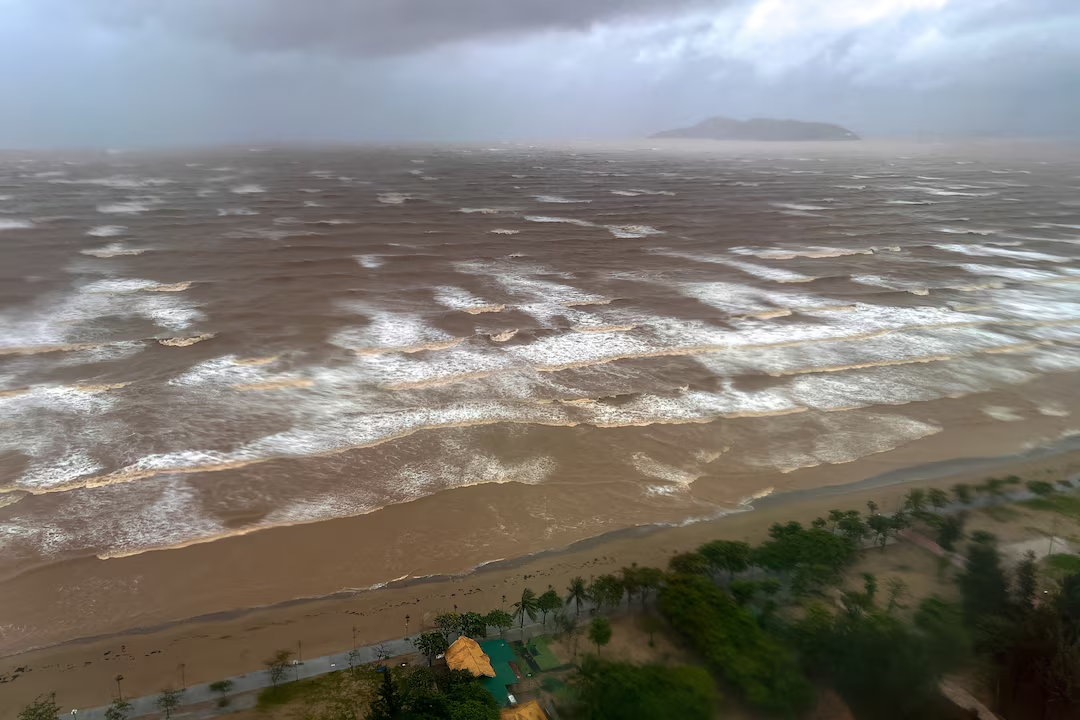
With its fierce winds, rains, and nearly exacting damage on the seas, the storm brushed the north-central coast of Typhoon Kajiki Vietnam 2025 Impact. A storm launched a full assault in the afternoon in the provinces of Nghe An, Ha Tinh, and Thanh Hoa, destroying homes and farmlands with wind gusts of over 160 km/h.
Mass evacuations were being ordered by the authorities before landing of the cyclone as more than 500,000 people were already in shelters. Airports went off-line; schools suspended classes, and fishing fleets hurried to take refuge as two-metre waves pounded coastal towns. By night, there was water on the streets; trees blocked highways, and, at least in some places, thousands of families had to endure power cuts, bathing in total darkness.
The storm did not stop at Vietnam’s shores. Kajiki first struck China’s Hainan Island, where Sanya shut its transport network and braced for record rainfall. Kajiki left destruction behind, but also renewed calls for stronger defenses against intensifying storms.
Rapid Evacuations and Precautions
Government agencies carried out one of Vietnam’s biggest storm evacuations. Central provinces including Quang Tri and Hue cleared thousands. Airports shut down across multiple cities. Hundreds of flights cancelled. Train services halted in several regions. Bus stations were packed with stranded travelers. Local fishermen pulled boats ashore and secured their gear. Soldiers reinforced riverbanks and tied down equipment. Paramilitary teams patrolled markets and neighborhoods to guide residents to safe areas. Authorities broadcast loudspeaker warnings across villages. Sirens blared along the coast. Many locals described panic but also relief at government preparation.
Also read: Villanova Active Shooter Today: Hoax Sparks Chaos, Fear, and Relief
Heavy Rain and Flood Risk
Kajiki’s rains drowned villages. Meteorologists warned of 500mm of rain in 24 hours. Low-lying areas were flooded immediately. In mountainous districts, swollen rivers triggered landslides. Hillsides collapsed onto homes and blocked highways. Remote villages were cut off from aid. Farmers lost irrigation channels and topsoil. Factories and warehouses were underwater and production halted. Streets were rivers in Hue and Vinh. Schoolyards were underwater and brown. Storm drains overflowed and released sewage. Sanitation quickly deteriorated. Health officials feared waterborne diseases. Relief teams brought chlorine tablets and water filters. Families collected rainwater in buckets for cooking. Others relied on emergency bottled supplies. Rain continued for more than 18 hours before subsiding slightly.
Kajiki vs Past Storms
Experts compared Kajiki to Typhoon Yagi which hit Vietnam in 2024. Yagi killed almost 300 people and cost $3.3 billion. Kajiki was as intense as Yagi but early evacuations saved lives. Analysts said rural areas were still exposed. Coastal houses had no reinforced roofing. Inland villages had weak drainage. Scientists promised stronger seawalls, stronger shelters and smarter evacuation plans. International organizations promised to pitch in with reconstruction and climate adaptation.
Early Human Stories
In Cua Lo, shopkeeper Nguyen Thi Hoa sheltered in her store until floodwaters reached the doorways. She fled upstairs with her neighbors. “Waves looked like monsters,” she said. In Ha Tinh, farmer Pham Van Du lost his goats when the fences collapsed. His family wept as they watched the animals being swept away. In Thanh Hoa, children were in classrooms turned into evacuation centers. Volunteers played songs to calm the scared kids. In Nghe An, students helped soldiers distribute rice and bottled water. Stories showed both heartbreak and bravery. Communities came together as chaos unfolded. Each story told the human cost of the storm.
Regional Weather Context
Kajiki landed at the same time as Hurricane Erin hit Bermuda and US East Coast. Global meteorologists tracked both storms. Scientists studied how ocean warming fueled such intense systems. Pacific waters were unusually warm in 2025. That heat accelerated storm development. Experts predicted more frequent super-storms. They urged governments to prepare regional cooperation frameworks. Shared weather data could strengthen resilience. International collaboration could save thousands of lives during future storms. Kajiki was another climate warning.
International Assistance and Cooperation
Neighboring countries offered help. Laos prepared shelters as Kajiki’s remnants moved inland. Thailand pledged aid for displaced families. China shared weather data to track storm paths. International aid groups promised financial assistance. Red Cross workers deployed to coastal provinces. UN agencies prepared food and medical supplies. Global NGOs raised funds online. Diaspora communities abroad organized donation campaigns. Foreign governments praised Vietnam’s evacuation speed. International solidarity boosted morale among storm survivors. Collaboration proved the need for united climate action.
Rebuilding and Recovery Plans
Vietnam will recover fast. They will rebuild houses with stronger materials. New seawalls for vulnerable coastal areas. Improved drainage system in flood prone towns. Farmers will get seed packages and livestock replacements. Schools will reopen with government support. Bridges and highways will be rebuilt. Small businesses and tourism operators will get financial aid. It will take years to rebuild but they will do it. Community will be key.
Also read: Target CEO Stepping Down While Company is Struggling
Building Community Resilience
Communities started talking about preparedness. Teachers planned storm awareness lessons in schools. Fishermen groups asked for early warning sirens at ports. Farmers wanted insurance for crop losses. Youth volunteers trained in first aid and evacuation drills. Women’s groups organized cooking teams for shelters. Religious leaders offered temples as emergency centers. Preparedness is a collective effort. Communities learned from Kajiki.