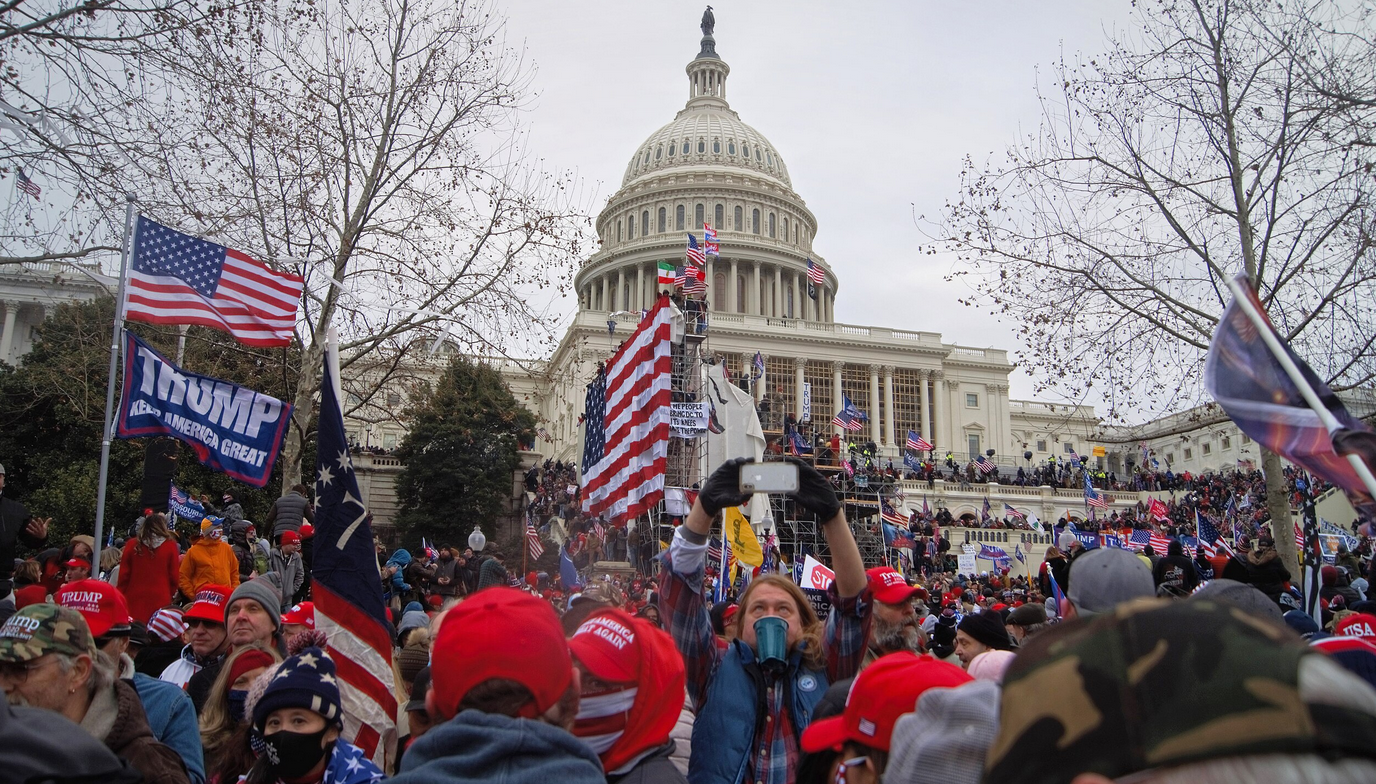
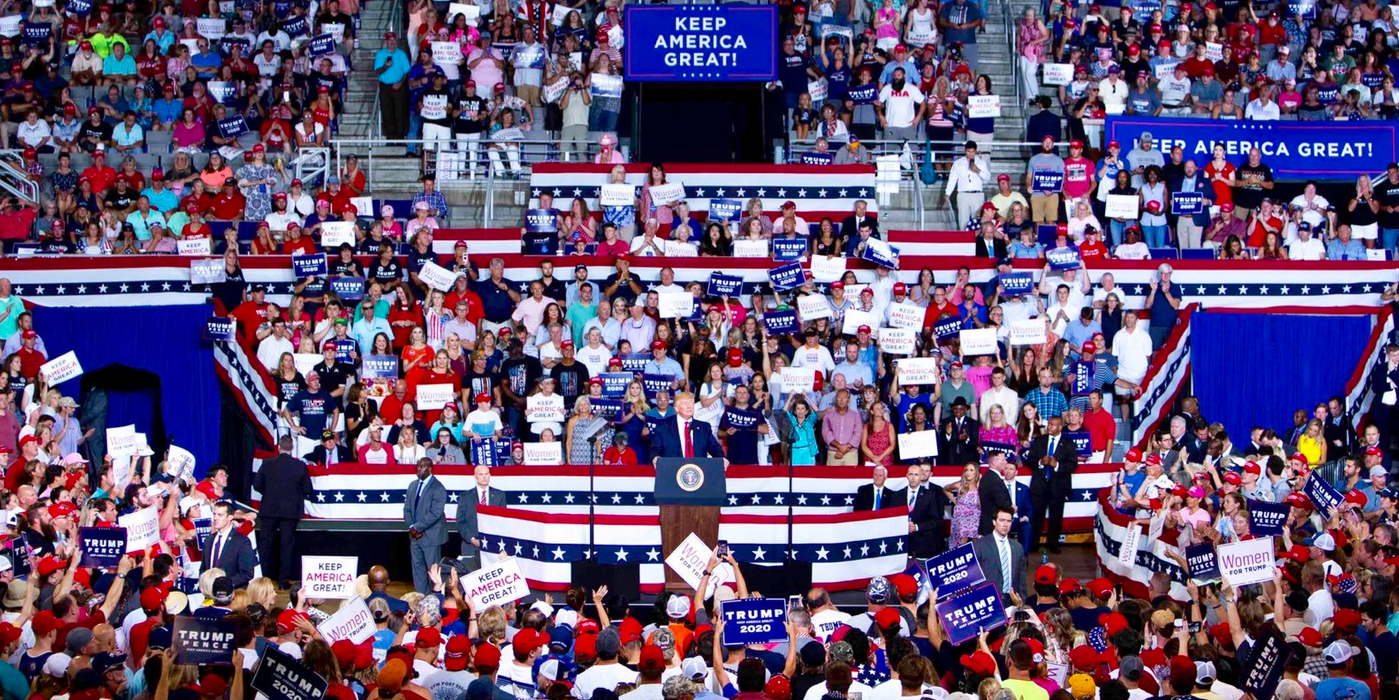
President Donald Trump National Guard DC Crime Crackdown a big plan to address crime and homelessness in Washington, D.C. He’s going to send hundreds of National Guard troops and expand federal law enforcement. Trump said he wants to make the city “beautiful and safe” again and get immediate results. He said he won’t wait.
He tied it to rising concerns about violent crime and public disorder. Local leaders disputed his claims, pointing to falling crime rates and saying he’s exaggerating the problem. The announcement has sparked debate about governance, civil liberties and federal vs local control. The next few days will show how far a president can go in taking control of the nation’s capital.
Federal Surge and Guard Readiness
Trump National Guard DC Crime Crackdown a big increase in federal policing before the Guard was mobilized. He’s sending 120 FBI agents to patrol at night to target carjackings, assaults and gun violence. Multiple federal agencies are joining the mission: DEA agents, Secret Service agents and Interior Department police. They’ll be patrolling busy areas, transit hubs and neighborhoods deemed high crime zones.
He’s also talking about deploying up to 1,000 National Guard troops under federal command. D.C.’s Guard reports directly to the president, not the state. Officials confirmed preparations are in place for rapid mobilization if Trump issues the formal order. Equipment, vehicles and staging areas are already set up.
Mayor Muriel Bowser is strongly opposed. She says federal officials never consulted her office. She calls Trump’s portrayal of the city Crime Stats vs. Administration’s Claims
Trump cited public safety as the reason for deploying the Guard and increasing police presence. He pointed to a recent assault on a federal employee as proof of the danger. He said residents and tourists no longer feel safe walking in many neighborhoods.
City data tells a different story. Violent crime is down 26% this year. Overall crime is down 7% for the second year in a row. Officials attribute the decline to targeted policing, community programs and technology upgrades.
Also read: DHS Moves FEMA Staff to ICE Amid Hurricane Season
Legal and Constitutional Boundaries
D.C. has a unique legal status. The Home Rule Act of 1973 gives limited self-governance but leaves Congress and the president with final authority. Congress would have to approve that. Politically complicated.
The president can already federalize the D.C. police under certain circumstances. Trump said he may do that if local officials don’t comply with his orders. But that would likely be challenged in court. Legal scholars say federal control of local police in non-emergency situations is rare.
Deploying the National Guard raises more legal issues. If activated under Title 10, Guard members become subject to the Posse Comitatus Act, which limits military involvement in domestic law enforcement. Title 32 activation offers more flexibility but still requires careful coordination to avoid constitutional violations. Those questions will come up fast if Trump does.
Historical Context of Federal Control in D.C.
Trump’s move fits into a long history of federal intervention in the capital. Presidents have deployed the Guard to D.C. during major protests, natural disasters and security emergencies.
D.C. has no governor to command the Guard. The president has that authority at all times. This gives the White House extraordinary power to respond quickly to unrest. Critics say this structure leaves the city vulnerable to political abuse.
Past deployments have been short-term. Trump’s proposal is for an open-ended citywide crackdown. That’s what’s got constitutional scholars and local advocates worried. They say using federal troops for prolonged policing risks blurring the line between civil governance and military authority.
Logistics and Implementation Challenges
Mobilizing the National Guard in D.C. is complex. Units need staging areas, housing and supply chains to sustain operations. Commanders have to balance security with public relations, make sure troops behave professionally.
Civilian-military interaction is another challenge. Guard members often lack training for extended policing in urban areas. They’re trained for disaster relief, traffic control and emergency response. Putting them in daily law enforcement situations raises questions about readiness and accountability. Those will determine if the plan works.
Press Conference and Announcements
Trump is holding a press conference to outline his next steps. He’ll reveal details on deploying the Guard, moving homeless residents and expanding federal control over city services. He’s framed the event as a turning point in the war on crime.
Expect him to push for legislative changes to allow deeper federal involvement in D.C. governance. He may announce new interagency task forces or technology initiatives to track and deter crime. The administration could unveil partnerships with private security companies to supplement law enforcement.
Local leaders will be there with their data and counterarguments. Advocacy groups have prepared fact sheets challenging the White House’s crime stats and questioning forced relocations. It’s going to be one of the biggest political showdowns of the year.
Also read: Trump and Putin to Meet for Ukraine Peace Talks
Future and National Implications
What will be the outcome of Trump’s plan for future presidents to deal with city issues? If he succeeds in taking control of D.C., he’ll set a precedent for other cities to be intervened in. This has governors, mayors and state legislators across the country spooked.
Will it make us safer or more tense? That will depend on execution and public response. The next few weeks will tell if Trump’s bet pays off or backfires. The balance between security and self-governance is now on the line, and D.C. is the test case.