A blue wave swept through the Nov. 3 midterm elections. Some called it a political tsunami, and the metaphor may be apt. Voters hadn’t delivered such a sweeping rebuke since Republican laissez-faire policies drove the economy into the Great Depression and opened the way for Roosevelt’s New Deal, with its socialist elements. This time, voters rejected the Trump administration’s neofascist agenda.

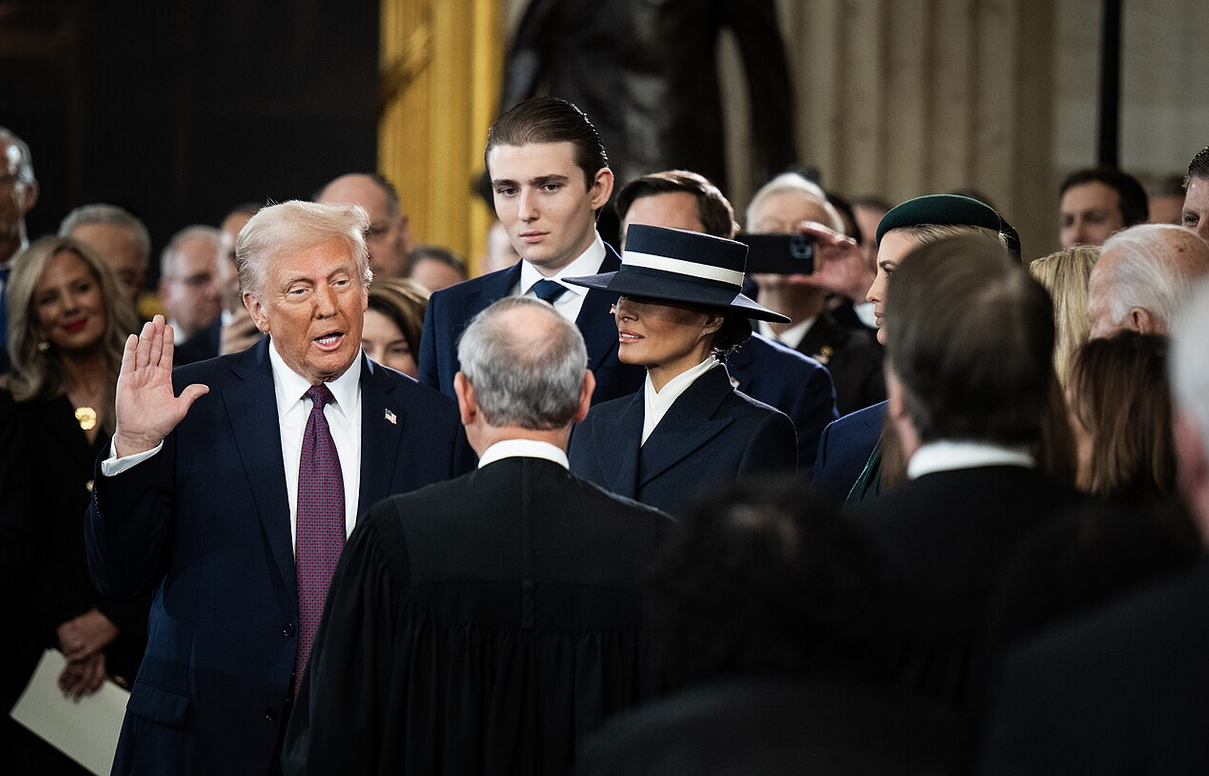
At scores of rallies over the past month, Trump, the white supremacist leader of MAGA, told supporters to “pretend I am on the ballot” and vote Republican. Voters took him at his word and imagined the president with the lowest approval rating on the ballot. Then they turned away. He asked them to make the election about him. They did.
A Turning Point in Representation
This election may mark a turning point in America’s unfinished pursuit of a more perfect union. Its winners reflect a diversity the nation has long possessed and the ruling class has long ignored. The people elected to govern are beginning to look more like the people they serve.
Black Governors and Senators
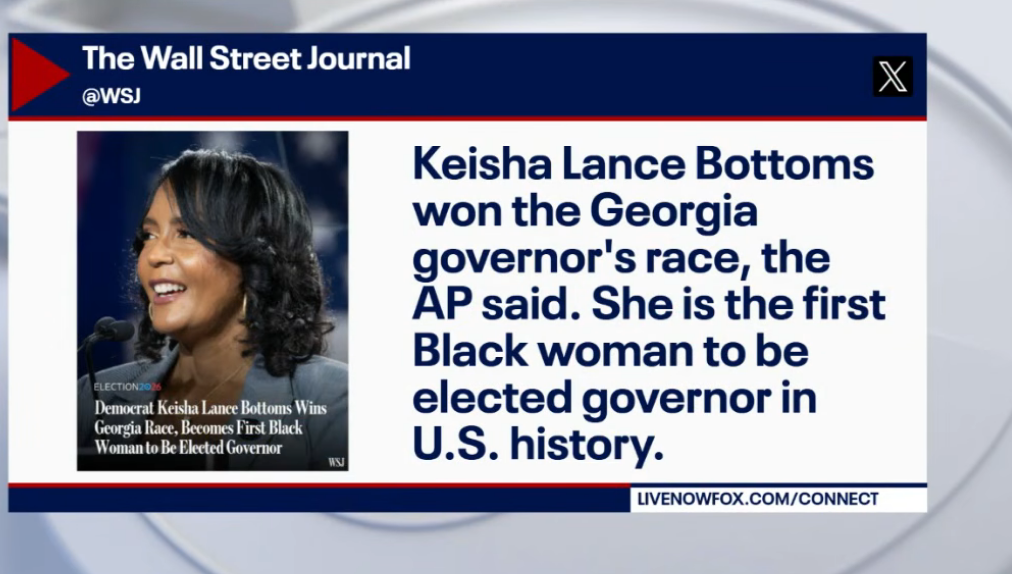
Consider Georgia. In the 1950s, Gov. Herman Talmadge threatened to abolish public schools rather than integrate them under the Supreme Court’s 1954 ruling in Brown v. Board of Education. Now the state has elected its first Black woman governor and sent a Jewish man and a Black man to the Senate. Could a state be any bluer, and in the Deep South, no less? The contrast shows how far a state can travel from its past.
Wisconsin and Nevada elected their first Black governors. Florida, too, elected a Black governor, a MAGA Republican. The gains in representation crossed party lines.
The incoming 120th Congress will include six Black senators, three of them women. That is the most since Reconstruction, when three Black senators served. Voters also elected five new Black governors. These milestones matter for the people they elevate and for the long histories of exclusion they challenge.
Women’s Victories
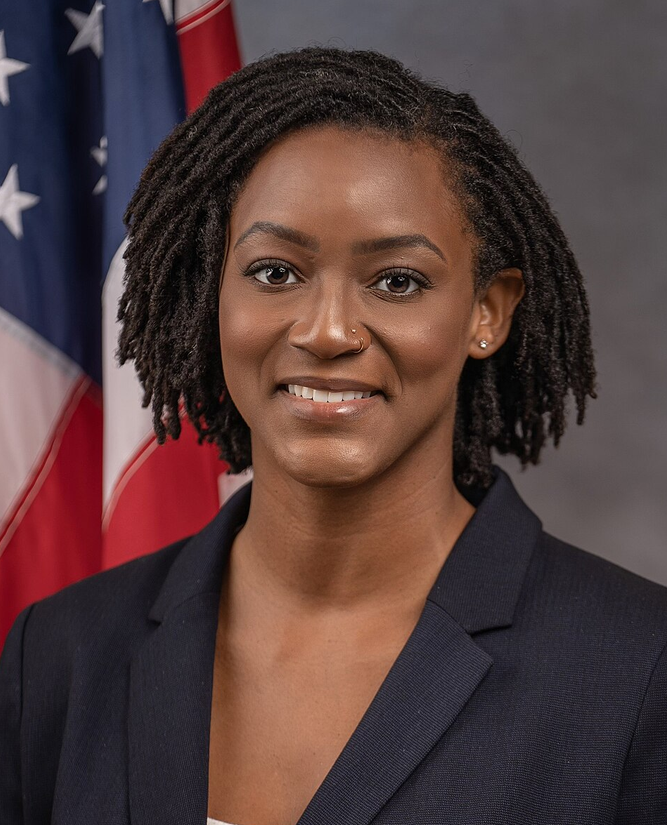
Women made history in gubernatorial and Senate races, and even some losses were striking. In deeply Republican Florida, Angie Nixon narrowly lost her Senate bid amid Republican gerrymandering and dark-money PAC spending that helped her opponent outspend her 16 to 1. Her near victory belongs in this story alongside the wins.
Primary care physician Amy Acton made the high cost of health care central to her campaign and won Ohio’s governorship despite heavy dark-money spending on behalf of her opponent. In South Carolina, pediatrician Annie Andrews campaigned on the same issue and defeated Darlene Graham, whom Trump had appointed to complete her brother’s term.
Native American Candidates
Native American candidates, mostly women, also achieved remarkable success. Deb Haaland of Laguna Pueblo won New Mexico’s gubernatorial race, becoming the first Native American governor.
Mary Peltola, who is Yup’ik, holds a narrow lead in an Alaska Senate race that remains too close to call as of this writing.
Peggy Flanagan of the White Earth Nation became the first Native American elected to the Senate. These are historic firsts, and the word “first” reminds us how long the doors remained closed.
Breakthroughs Across the States
Texas
Perhaps the most striking breakthrough came in Texas. Gina Hinojosa, a Latina candidate, unseated longtime Gov. Greg Abbott. James Talarico, a young progressive seminarian, won a Senate seat. Democrats captured the state House. Is Texas finding its way back to the era of LBJ and Henry González?
Elon Musk spent nearly half a billion dollars trying to buy elections, yet he saw no return on the more than $200 million he poured into Texas. Money can flood a campaign. It cannot guarantee the voters’ verdict.
Michigan, Kansas, and Mississippi
In Michigan, Abdul El-Sayed won decisively by keeping his campaign focused on the issues. He faced overt Islamophobia and xenophobia led by our foul-mouthed president, while tens of millions of dollars in PAC funding flowed to his Republican opponent. Voters chose El-Sayed’s message over the hostility directed at him.
Kansas is sending Methodist pastor Adam Hamilton to the U.S. Senate, its first Democrat elected to the chamber since 1932.
In Mississippi, Scott Colom holds a razor-thin lead over incumbent Cindy Hyde-Smith. If he wins, he could become the state’s first Black senator since the postwar era. For now, that historic possibility hinges on a race still too close to call.
New Voices, New Paths
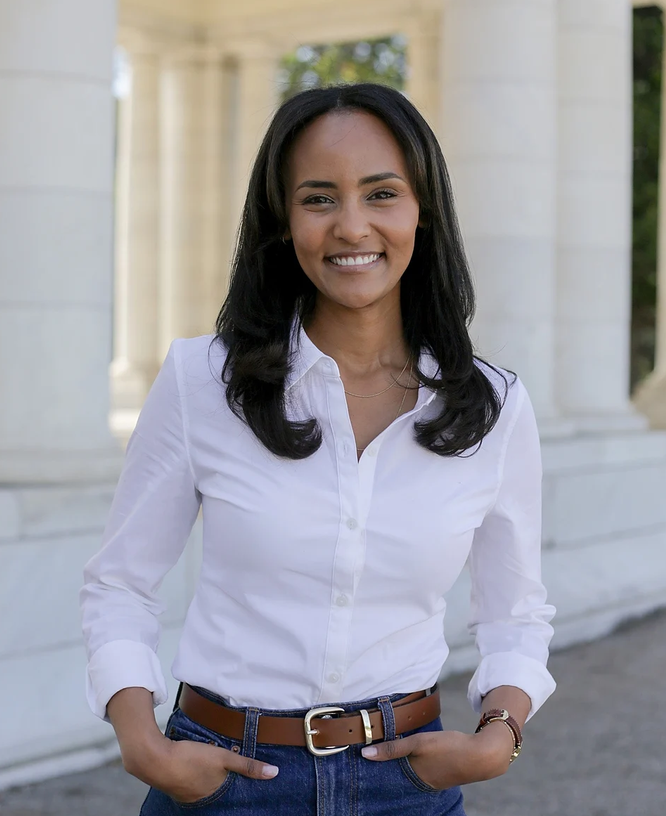
Melat Kiros, a Gen Z immigrant from Ethiopia and a self-described democratic socialist, won a U.S. House seat after defeating a 15-term incumbent in the Democratic primary. Her victory brings a new generation and a new voice into the chamber.
Washington, D.C., also elected a self-described democratic socialist as mayor. Together, these victories extend the story beyond familiar names and established political paths.
Economic Justice and Grassroots Politics
Representation matters. So does the life people can afford to live. Trump’s so-called “Big Beautiful Bill” was a blatant, massive transfer of wealth to the billionaire class that stripped services from hardworking Americans already struggling to make ends meet.
For too many Americans, the American dream has receded into the distance or turned into a nightmare. Political promises mean little when people can barely afford the basics.
Calls for billionaires to pay their fair share of taxes are growing. Corporate PACs and AIPAC have become dirty words, and many grassroots-backed candidates have won. The contrast is telling. Candidates backed by grassroots organizers are challenging the power of big donors.
Grassroots Energy
Grassroots-backed candidates tend to be young, diverse, and progressive. Democratic socialists are winning local, state, and federal races with messages that resonate with voters. Young activists boosted turnout and brought fresh energy and ideas to the Democratic Party’s inevitable renewal. As the nation’s demographics change, these activists are helping its politics change with them.
Diversity in the Midterm Elections
Imagine the doors of statehouses and Congress opening to Black governors, Native Americans, and women of every background. Imagine a Jewish senator reelected in the South and an Arab candidate elected in Michigan. Muslims and Jews, a Texas seminarian and a Methodist minister, and Subramanyam, a newly elected Hindu from Virginia, each bring a distinct faith or spiritual tradition to public life. Different histories. Different voices. Together, a gorgeous mosaic.
The Responsibility Ahead
But a mosaic of new faces must become more than a symbol. To retain voters’ loyalty, Democratic leaders must listen to their base and fulfill their campaign promises. They have a once-in-a-generation opportunity to repair the economy, improve health care, and confront climate change. If they squander that opportunity, they will squander the trust that brought them here.
DEI, economic justice, equity, and a shift away from endless overseas military entanglements can help turn representation into lasting progress. An election can bring us closer to a more perfect union. What those elected choose to do next will determine how much closer.