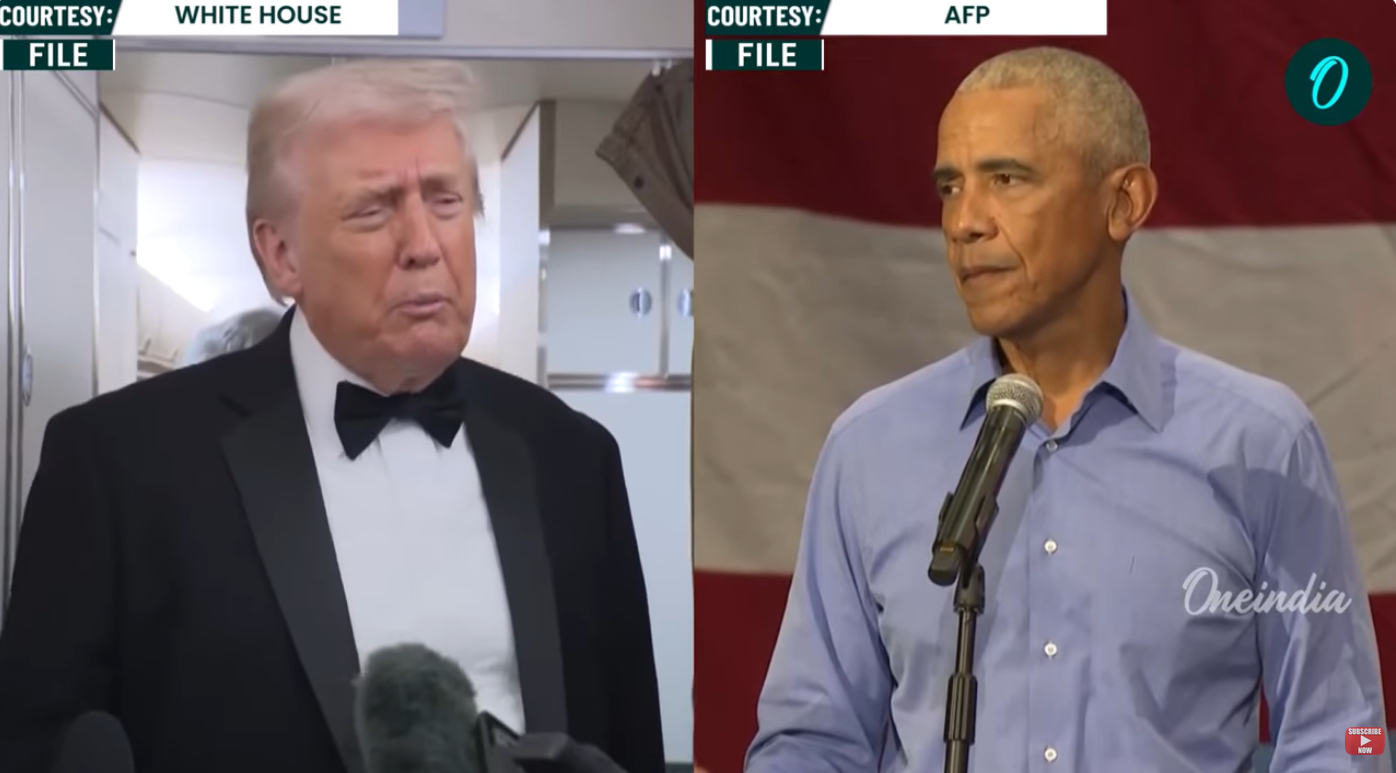
Donald Trump is going on a high-stakes peace mission. He is attempting to meet with Vladimir Putin to end Russia’s invasion of Ukraine. A White House official says this could happen as soon as next week. Trump says he wants Russia to agree to a ceasefire by this Friday or face big sanctions. His envoy Steve Witkoff, just got back from Moscow. Putin’s team characterized the discussions as “useful and constructive” and mentioned a desire to continue. European capitals, in their turn, issued cautious statements of optimism. Ukrainian President Volodymyr Zelenskiy spoke of mounting pressure on Russia but warned about deception. He said real peace talks must involve leaders. Zelenskiy will consult with European allies to figure out the right format for a meeting.
Bilateral Meeting
Trump’s crew is working extra time to set up a Trump-Putin face-to-face, and possibly as early as next week. Trump wants to meet with Putin first and then with Zelenskiy. But the Kremlin says there is no agreement on the latter. Russian officials say talk of a three-way summit came from the American side.
Kremlin aide Yuri Ushakov said the meeting was businesslike and they exchanged strategic signals and talked about a vision for US-Russia cooperation. The Kremlin says they should finalize the bilateral talks first before talking about a broader summit. Washington is focused on getting Putin to agree to real peace talks.
Trump’s Deadline and Economic Pressure
Trump ratcheted up the pressure on Russia by slapping new tariffs on countries importing Russian oil. He raised US tariffs on Indian goods by up to 50% because India is still buying Russian oil. He also threatened to do the same to China if it doesn’t cut its oil ties with Russia. Ukrainian President Zelenskiy said the pressure is mounting on Russia. He said, “We demand nobody deceive us, neither America nor Russia” in his evening address. The deadline may make Putin sweat and may get him engaged.
Kyiv’s Concerns and European Reactions
Zelenskiy and European leaders are worried about a US-Russia summit without Ukraine. Kremlin’s denial of a trilateral summit is alarming Kyiv and the West. Zelenskiy says direct leader-level talks must include Ukraine. He will consult with Germany’s chancellor and European allies to clarify priorities and formats. He has two goals: stop the killings; design a meeting structure for lasting peace.
Kyiv fears a bilateral Trump-Putin summit will marginalize Ukraine’s interests. Zelenskiy previously asked for either him or Turkish President Erdoğan to mediate between Russia and Trump. He insists Ukraine must be at the highest level. Russian officials say lower-level negotiation tracks must produce results before leaders meet. Meanwhile, European capitals want clarity on location, agenda and format before proceeding. They worry that sidelining Ukraine will undermine any peace deal’s legitimacy.
Security Realities on the Ground
Fighting on the ground is still threatening peace. Since the talks resumed in May, Russia has bombarded Kyiv harder than ever before, killing many civilians. The Ukrainians retaliated by bombing Russian refineries and fuel depots. Such incessant attacks warrant an even keener urge for a ceasefire but breed mistrust between the two.
Reports indicate that the Kremlin might at least temporarily agree to respect a moratorium proposed by Lukashenko on airstrikes. But Ukraine and the US want a full and immediate ceasefire. Putin’s close advisers doubt new sanctions will change his mind. They say he believes he can win the war and treats military goals as more important than improving relations with the US. That complicates any bargaining. Trump hopes heightened sanctions and global pressure will change Putin’s calculations before next week’s summit.
Summit Logistics and Outlook
Officials are racing to finalize summit logistics. They’ve already chosen a location, but Putin’s team won’t say where. Options are Turkey or the Middle East. Trump told reporters a meeting could happen “very soon,” but some in Washington are skeptical. Secretary of State Marco Rubio said many steps must happen before plans are set. If it happens, it will be the first time sitting US and Russian presidents have met since 2021 when Joe Biden met Putin in Geneva, eight months before Russia attacked Ukraine. That meeting didn’t address the war’s origins. This one is about ending the war. It’s about more than just optics. Trump and his team think aggressive diplomacy can work, but they are realistic.
Prospects for Peace and Global Implications
The Trump-Putin summit could break the impasse concerning state-level talks since 2022. A bilateral agreement would lower tensions and pave the way for multilateral talks ahead.
But risks remain. A one-on-one meeting could fail if Putin doesn’t compromise or sees sanctions as empty threats. Kyiv might view a summit without Ukraine as exclusionary and unacceptable. Moscow might use such a meeting to extract concessions without giving in. Sanctions are powerful tools, but may need more global enforcement. U.S. leaders must calibrate the pressure to get negotiations without war escalation.