Lena Dunham answers this question in a publication for February: “It’s extremely flattering to try!”. Since Girls premiered in 2012 and ended in 2017, we’ve seen that she was right. It is remarkable how Lena Dunham became the voice of her generation. That’s why people feel excited for Too Much, Dunham’s new Netflix series. This marks her first semi-autobiographical project since Girls. Many say Generation Z needs its Girls or Sex and the City. Gen Z has yet to get its defining coming-of-age series. Let’s hope it’s not Stranger Things, which wouldn’t fit the bill. Millennials have long seen Dunham as an icon. Now, Gen Z loves her too, thanks to Girls clips on TikTok. Amazingly, Lena Dunham happened to become the voice of her generation.
Too Much (2025)
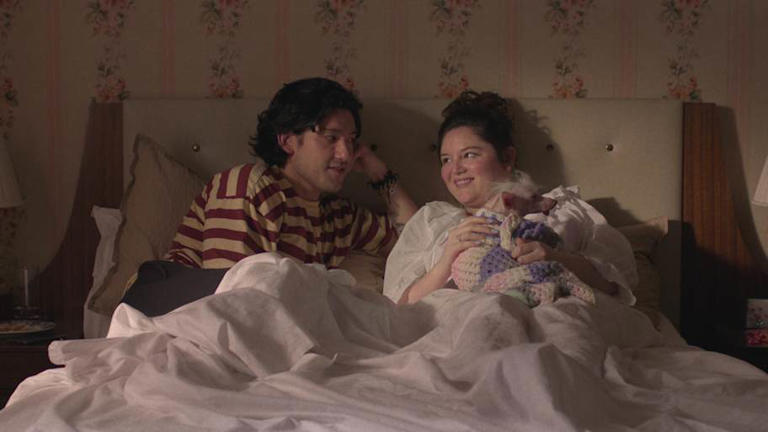
Too Much isn’t exactly that new Girls. It focuses on just one main character. Jessica is a dramatic, emotional 30-something American. She leaves New York for London after a terrible breakup. Her ex, Zev, is a snobby music writer. This mirrors Dunham’s real life after her split from Jack Antonoff. She eventually left America and settled in London. Jessica arrives on an east London estate.
She thought “estate” meant something different, a recurring joke in the show. She’s a classic fish out of water, like Emily in Paris. But Dunham’s humor gives it a unique twist. Jessica quickly experiences typical British culture. She drinks at pubs and hooks up with an indie musician. She also does coke with her boss and overdoses on ketamine.
Too much Season 1 Cast and Style
At times, it leans heavily into British clichés. But the strong supporting cast keeps it funny. Will Sharpe plays Felix, Jessica’s indie-rock love interest. Richard E Grant appears as Jonno, Jessica’s posh boss. Naomi Watts plays Jonno’s stylish, minimalist wife. Adèle Exarchopoulos plays Felix’s very French ex-girlfriend. Plenty of other cameos also appear throughout the show.
Too Much Isn’t Afraid To Be A Love Story
It’s the weakest episode of the season. I can forgive that since it sets up the story. It’s not unfunny or unforgivable, but it’s mainly a setup. Jessica’s spark finally ignites at the end.
By then, we’ve met the main characters and set the stage. Jessica now has to decide whether she’s worth loving. Although it’s Jessica and Felix’s story, everyone wants a real connection. The show is funny without feeling cynical about love. It says no, and that feels good to see.
Dunham uses magical realism, romance and well-placed references to enrich the story. She doesn’t lean too hard on any of these. Sharpe adds layers as we learn more about Felix. He’s just as messy as Jessica herself. She has real chemistry with Sharpe in their scenes. Jessica’s low points don’t always feel believable or devastating. But other characters get to develop well. This keeps Stalter from having to carry the whole show.
Too much Season 1 Episode 5
“Pink Valentine” is Dunham’s writing at its best. It refreshes the familiar story of a relationship in decline. We’ve all lived and watched this story before. She’s already survived her worst moments before we meet her. “Pink Valentine” lets us give her some grace later.
He delivers lines that break your heart. Too Much knows happy endings need real heartbreak first. As the season ends, Jessica’s problems get solved a bit too easily. Earlier struggles and failures balance out these easy resolutions.
An Advanced and Mature Perspective With Lena Dunham on Overplaying
If you hate rom-coms or flawed female leads, Too Much won’t change your mind. Dunham seems to be responding to the feedback the Girls got. She’s answering with humor, self-awareness and hard-won confidence. She’s used to criticism and public scrutiny.
The story isn’t super original different makes her special but it’s timely. If Jessica is Dunham, she’s shedding baggage from past partners and the public eye. Rita Ora, in a fun cameo, reminds us that the internet forgets. Dunham uses that clean slate to be more hopeful and self-assured. That tone helps Too Much stand out..Sometimes Jessica’s monologues feel a little too on the nose.
Through Stalter, Dunham is challenging how society labels women as “too much.” But Too Much doesn’t present Jessica as perfect or always right. Jessica just wants someone whose flaws match hers. This is a romantic comedy, but it plays outside the genre. It’s about love without losing its edge or honesty. We’ll see if future episodes go deeper after the romance is over. For now, enjoy Dunham’s smart return to TV.
To Support our independent investigative journalism contributions are welcome via Cashapp to: $BlackStarNews
Also support Black Star News by buying merch from our brand new Black Star Store!