By Mohammed Nurhussein
Photos: Wikimedia Commons
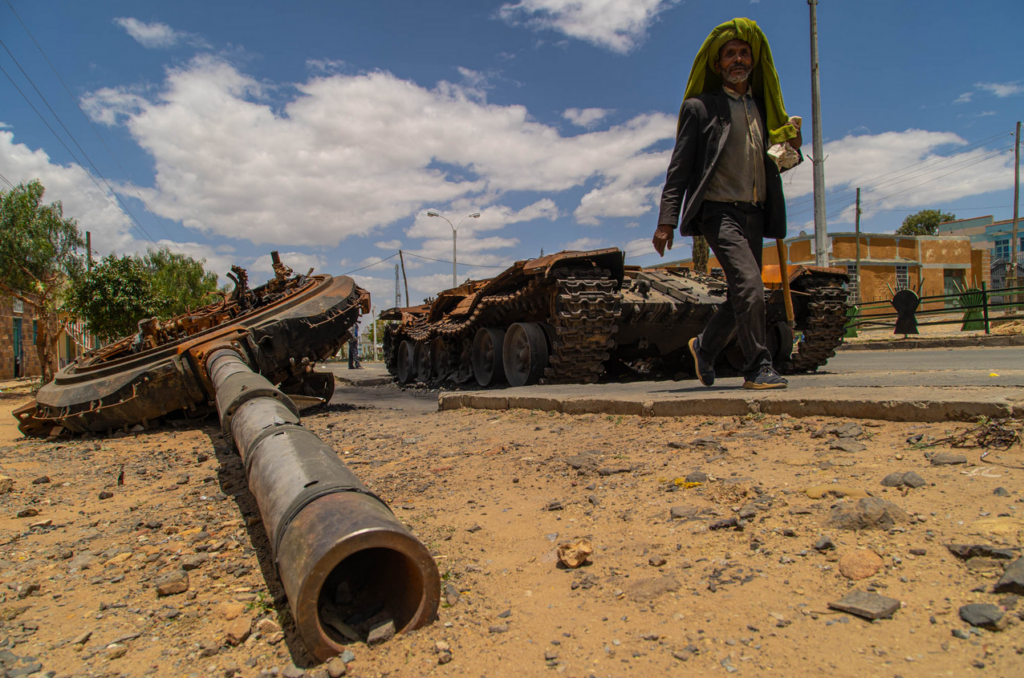
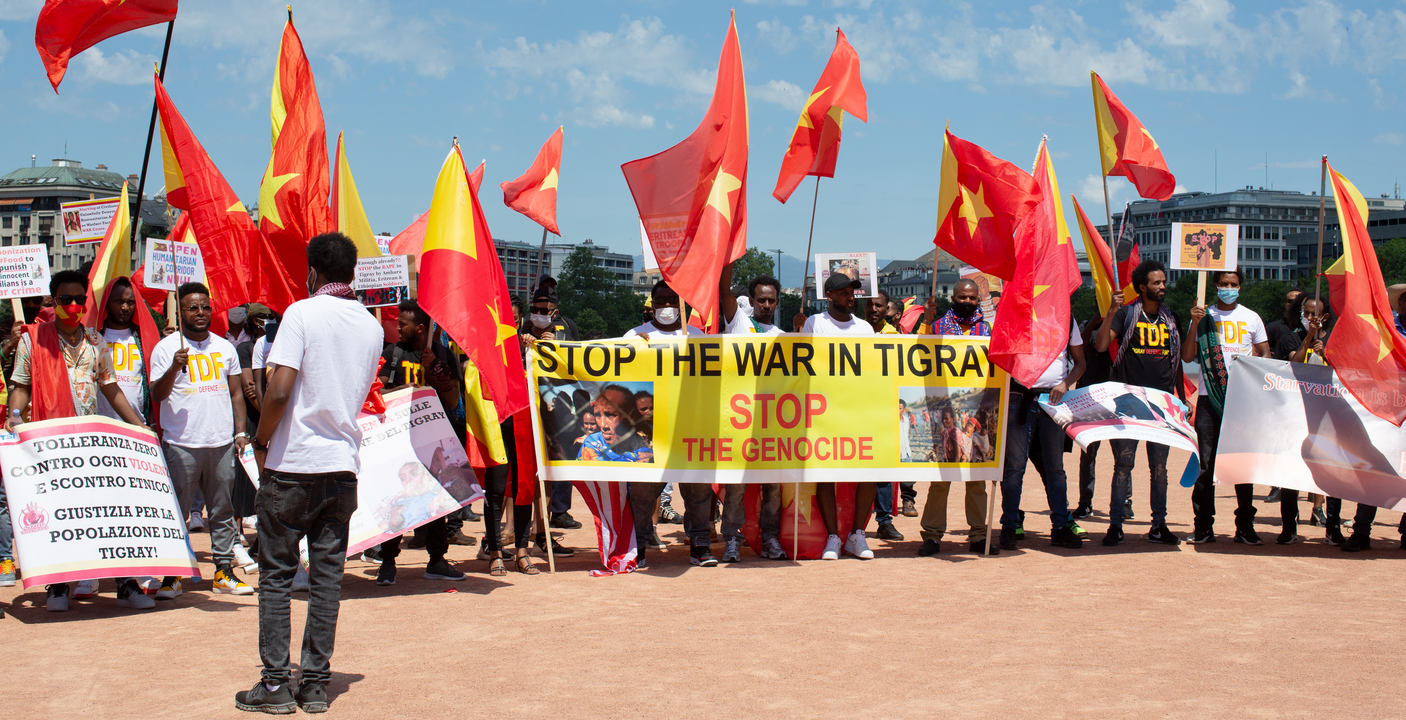
The deadliest war of the 21st Century (El Pais, Globe and Mail) ended by a Cessation of Hostilities Agreement (COHA) between PM Abiy Ahmed’s federal government and Tigray People’s Liberation Front (TPLF) signed in Pretoria in Nov 2/2022. The agreement stipulated, among other things, return of the internally displaced people (IDPs) to their homes, withdrawal of Eritrean and Amhara forces from occupied territories in Tigray and establishing an independent investigation into the war crimes and crimes against humanity, hold perpetrators accountable and make restitution to the victims. More than three years after the agreement, none of the provisions have been implemented.
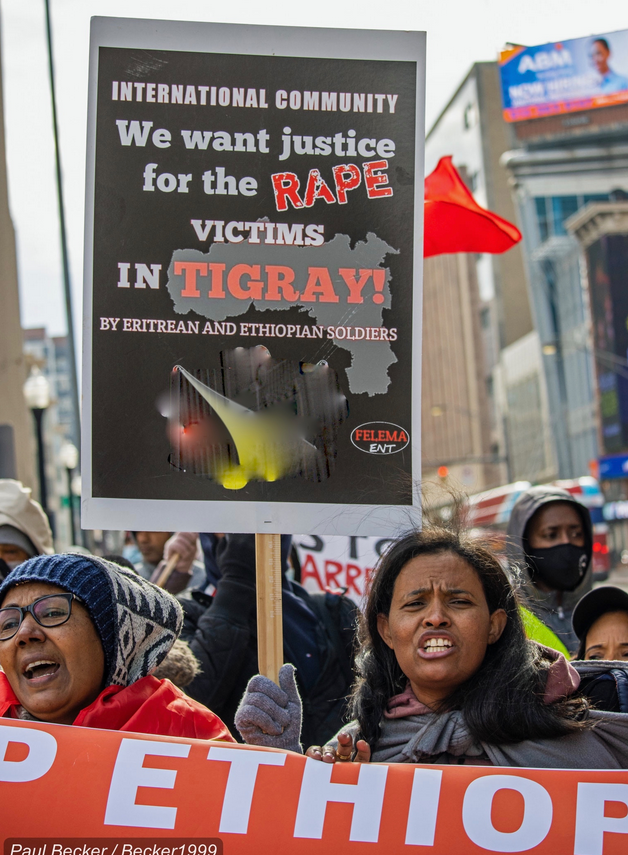
The agreement was mediated by the African Union with the support and active participation of the US envoy to the Horn of Africa. The genocidal war cost Tigray about a tenth of its population. Among the war crimes and crimes against humanity committed by the invading forces, none matches the crime of rape for its depraved cruelty. The Commission of Inquiry on Tigray Genocide (CITG) has meticulously documented evidence of this crime in all its gruesome details and puts the number at more than double the original estimate of 120.000 (Le Monde July 16/25, Genocide Watch July 12/24). The perpetrators made their genocidal intent clear by inflicting maximum damage on the women’s reproductive organs to render them sterile. (see also Human Rights Watch/Amnesty International joint report, “We Will Erase You from This Land,” April 2022).
Many of the women survivors are from rural areas without access to proper medical and psychological support, their homes destroyed and looted, suffering alone and in isolation in scattered shelters.
“We found evidence of war crimes and crimes against humanity committed on a staggering scale” said Mohammed Chande Othman, chairperson of the International Commission of Human Rights Experts on Ethiopia (ICHREE). “In the region of Tigray, we believe that further investigation is needed to determine the possible commission of the crime against humanity and of extermination and crime of genocide” he added.
The mandate of the Commission was not renewed at the 54th session of the UN Human Rights Council in 2023 despite the protest of the Commissioners. The UN shamefully ceded the authority to investigate and administer transitional justice to the Ethiopian government, one of the perpetrators of the crime.
The African Union also had its own African Commission on Human and Peoples Rights Commission of Inquiry in Tigray. Despite its lengthy and high-sounding name, it had nothing to say about the inquiry and quietly folded without issuing a report.
There is also the issue of the internally displaced people (IDP), numbering more than a million, most of whom were driven from their homes in Western and southern Tigray in a campaign of ethnic cleansing by Amhara forces allied with Abiy and Isaias. They are languishing in 146 substandard makeshift camps scattered throughout Tigray. There have been reports of food insecurity and lack of medical care in these camps ever since the agreement was signed. Over the last two years reports have been trickling of deaths at a rate of one a day from starvation and lack of medical care at these camps. Haunting images of starvation are coming out, reminiscent of those at the Nazi concentration camps and Srebrenica in Bosnia. The pace of fatalities has accelerated in the past 6 months and there are now reports of some 50 people dead since July 2024 at the Hitsats Center alone. Addis Standard of Dec 22/25 reports that 1700 are in critical condition at this center from lack of food and medicine.
Who is to blame for this unfolding humanitarian catastrophe in Tigray—a crisis marked by ongoing slow genocide, mass displacement, and systematic deprivation?
With due apology to Elizabeth Barrett Browning, for turning her famous line on its head, let me count the ways. Top on the list comes
The Government of the Federal Democratic Republic of Ethiopia (FDRE).
The PM, a Nobel ‘Peace’ laureate, declared war on Tigray on Nov 2020 after months of a campaign of vilification and demonization of TPLF and Tigrayans likening them to daytime hyenas or cancers that needed to be destroyed, inciting people to violence against them. The PM invited his erstwhile ally from across the border in Eritrea to violate Ethiopia’s sovereignty by sending his troops to Tigray and help in the war of extermination.
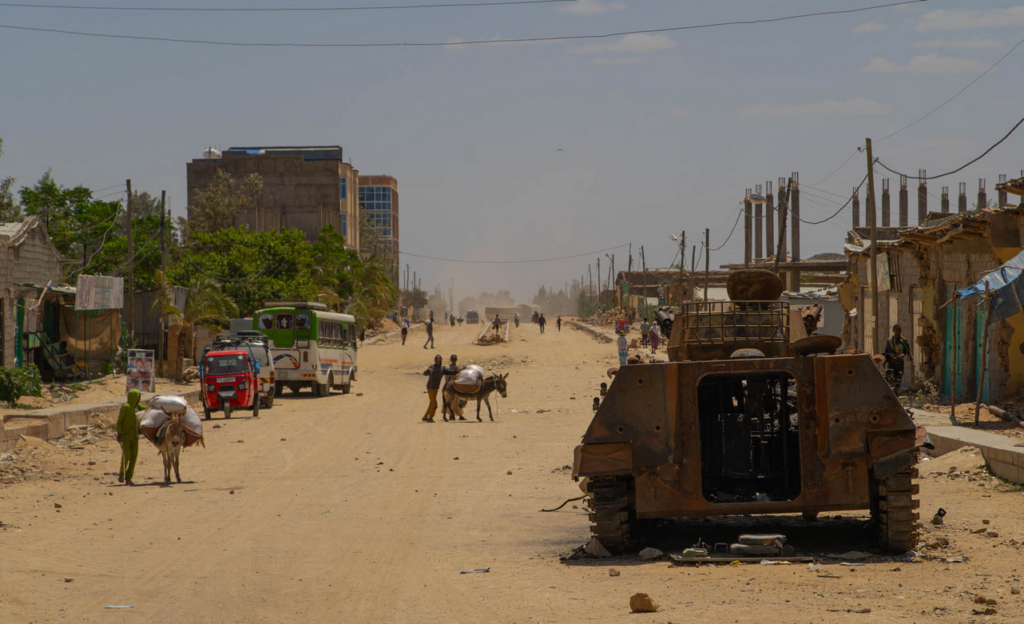
The cessation of hostilities agreement (COHA) in November 2022 was meant to usher in a new era of reconciliation, establish independent investigation into allegations of war crimes and crimes against humanity and bring perpetrators to justice. The federal government was also entrusted to making sure that Eritrean and Amhara troops are withdrawn from Tigray and the IDPs returned to their homes and farms. The federal government, far from implementing those provisions, has instead reverted to its anti-Tigrayan campaign of demonization, intermittent embargo on food and fuel, withholding of parliament approved regional budget and not paying salaries of public employees in Tigray. Needless to say, it has rendered the regional administration incapable of carrying out its functions effectively.
The TPLF-led Regional Administration and the Party
While the federal government’s punitive actions and mounting pressure have undeniably weakened Tigray’s regional authorities, responsibility for the current predicament is also shared by the transitional government and the party itself. At a time when the aftermath of war demanded unified purpose and a clear strategy to navigate the crisis, the TPLF instead became entangled in destructive internal power struggles. The party fractured into rival factions, each blaming the other, resulting in a leadership that now appears stagnant and a pale shadow of its once-revolutionary self—bereft of new ideas, lacking strategic direction, and seemingly adrift from one crisis to the next. There are moments when the TPLF-led regional administration and the TPLF itself seem to be working at cross purposes, with their primary focus appearing to be the retention of power above all else.
Yet, these exceptional times call for something far greater from all sectors—party, government, military, civil society, and academia. It is imperative to reflect on and rekindle the unity that was forged in defense of Tigray during the war. The current challenge is equally daunting, if not more so, and it demands the same unwavering unity, shared vision, and sense of mission. Only by keeping sight of the ultimate goal—restoring Tigray, and unlocking the resilience, creativity, and entrepreneurial spirit of its people—can the region hope to overcome this crisis and rebuild a brighter future.
The Mediators: AU, US, UN
Expectations for the African Union (AU) were already low, especially under the tarnished leadership of its former chairperson, Mousa Faki Mahamat, and his envoy, former Nigerian President Olusegun Obasanjo. Both figures accepted without question the Prime Minister’s narrative that the conflict amounted to nothing more than a temporary law enforcement operation intended to safeguard Ethiopia’s sovereignty. In much the same way, the United States—represented by its envoy to the Horn of Africa—was equally disappointing in its mediation efforts. Although prominent U.S. senators warned President Biden that Tigray was facing the threat of genocide and urged decisive action, the administration spent two years issuing repetitive and hollow expressions of concern. Only as domestic and international pressure mounted, and the war became a growing embarrassment, did President Biden dispatch his envoy to participate in the AU-brokered talks in Pretoria, which ultimately produced the Cessation of Hostilities Agreement (COHA).
Like the AU, the United Nations remains powerless without the backing of its veto-wielding member states, particularly the United States. To his lasting discredit, UN Secretary-General António Guterres publicly stated that Prime Minister Abiy assured him there were no Eritrean troops in Tigray.
In a classic case of the fox guarding the henhouse, the UN allowed the Ethiopian government to conduct its own investigation into alleged war crimes in Tigray, and, over the objections of the UN Commission of Experts on Ethiopia (ICHRE), ended the commission’s mandate.
In other words, there is a lot of blame to go around, and Tigray was thus betrayed and abandoned by all the actors.
Despite the agreement’s clearly outlined objectives, the mediators quickly distanced themselves from the ongoing crisis, washing their hands off the problem in a manner reminiscent of Pontius Pilate.