By AP News
Photos: Chinese Embassy\Wikimedia Commons
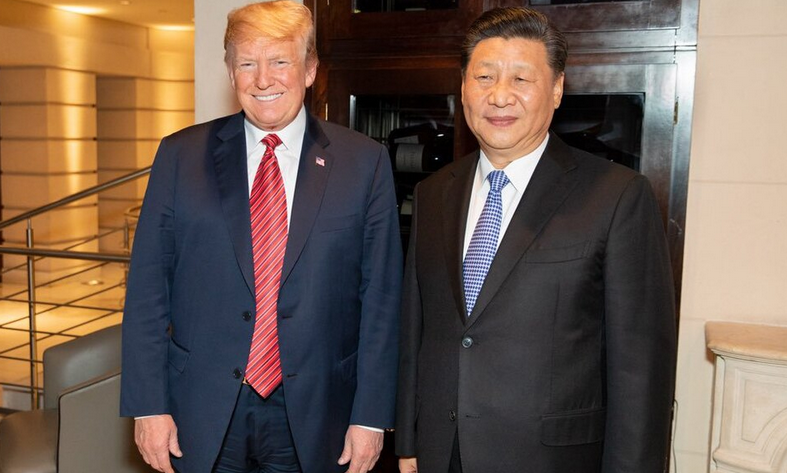
America’s unnerved allies and partners are cozying up with China to hedge their bets. It comes as President Donald Trump’s trade push upends a decade of American foreign policy — including his own from his first term — toward rallying the rest of the world to join the United States against China. Read more.
Why this matters:
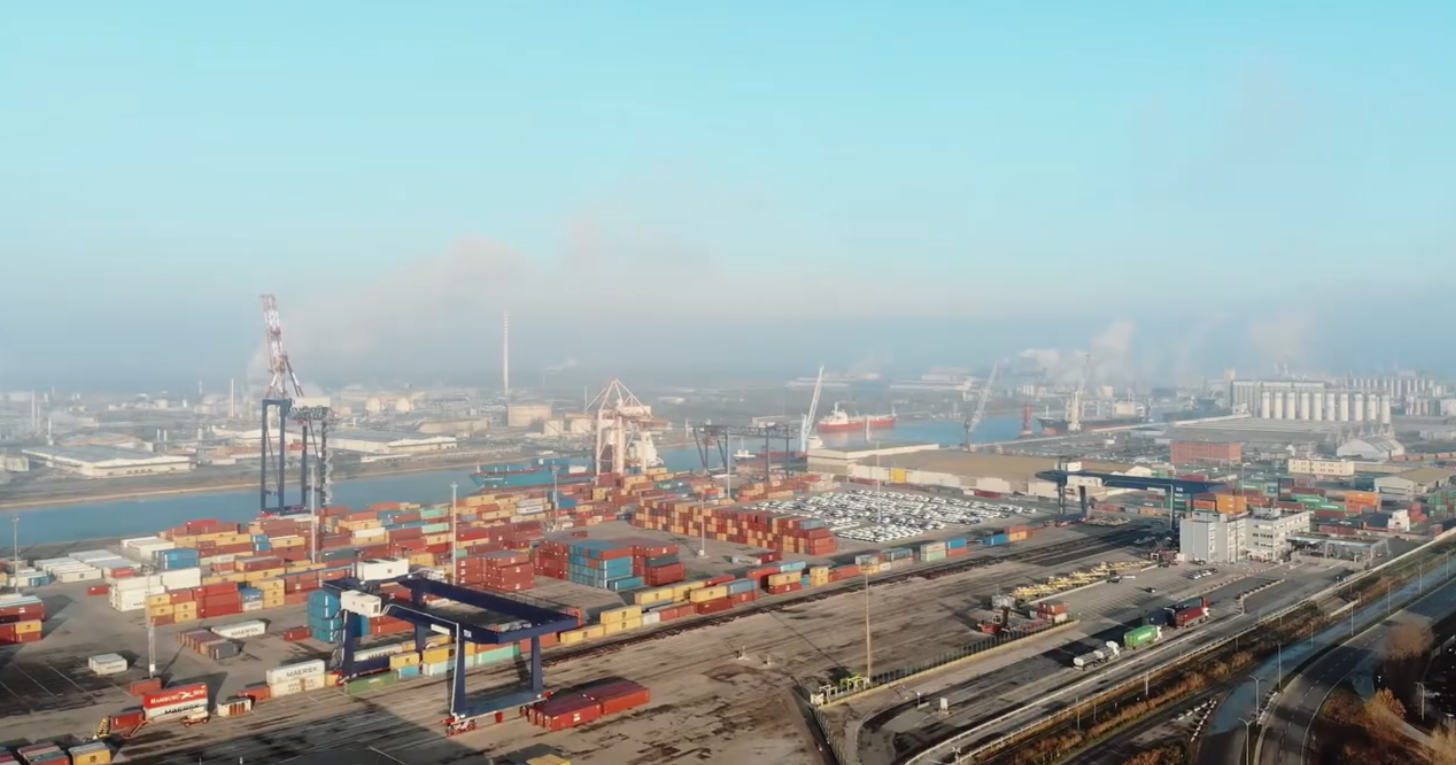
China is the world’s largest exporter and the U.S. the largest importer. Beijing is reaching out to countries far and near, portraying itself as a stabilizing force and a predictable trading partner, both to cushion the impact from Trump’s tariffs and to forge stronger trade ties outside of the U.S. market. Earlier this month, Chinese President Xi Jinping — on his first foreign trip this year — visited Vietnam, Malaysia and Cambodia, resulting in mutual pledges for closer economic and trade ties.
Countries caught between the U.S. and China are in “an impossible situation” because they need to stay economically connected both to China, “a source of a lot of their input and imports” and to the powerhouse U.S. market, said Matthew Goodman from the Council on Foreign Relations. Last week, while the Swiss president was in Washington to lobby U.S. officials over Trump’s threatened 31% tariff on Swiss goods, the Swiss foreign minister was in Beijing, expressing his nation’s willingness to strengthen cooperation with China and upgrade a free trade agreement.
The White House has framed any negotiations as being between Trump and Xi, but neither leader seems willing to make the initial outreach without some kind of concession. The two countries can’t even agree publicly whether they are holding talks. In the latest Ipsos poll, for the first time, more people globally now say China has a positive impact on the world than the U.S. The pollster cited the broad backlash to Trump’s tariffs.