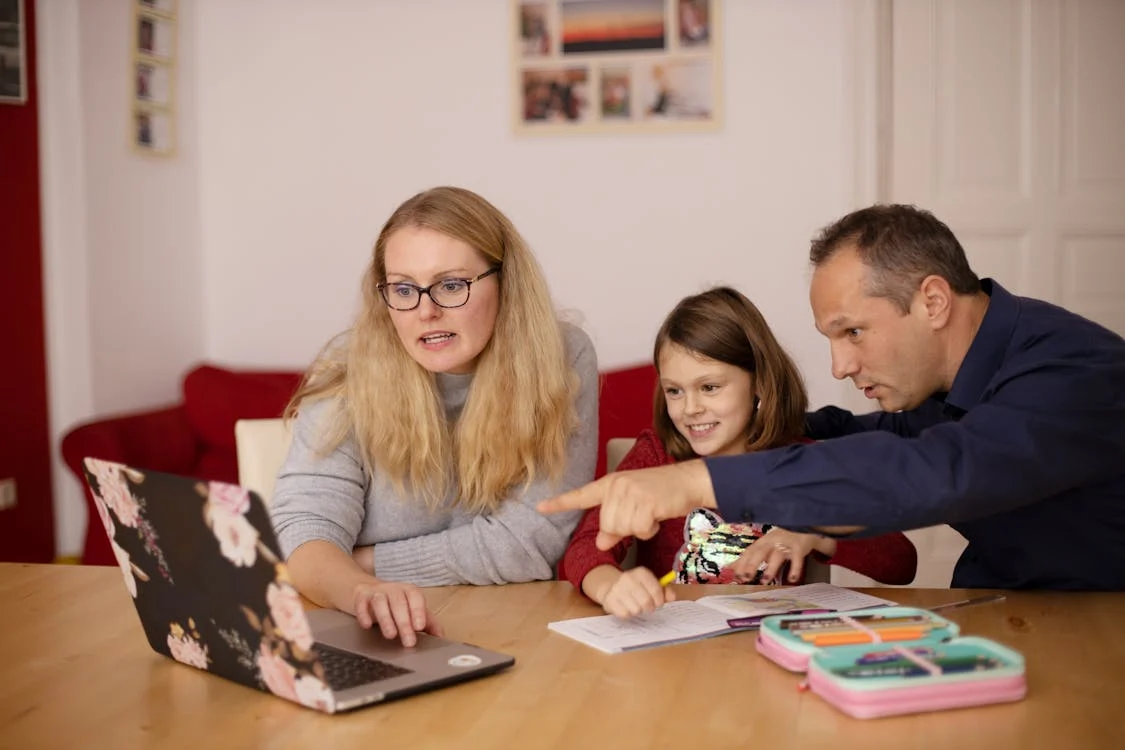
Despite the recognition of the importance of parental involvement, many parents face challenges in managing the educational process at home
The purpose of this article is to explore the various aspects of parental involvement in distance learning, review the most effective approaches and strategies that contribute to improving educational outcomes, and discuss the challenges parents face in implementing these strategies
The transition to distance learning has brought many challenges and opportunities for both educators and students. One aspect that has become increasingly apparent is the critical role that parents play in supporting their children’s education from home. As schools continue to rely on virtual platforms, parental involvement has become essential to ensuring that students remain engaged, motivated, and successful in their studies. The dynamics of education have changed significantly, with parents now taking on roles beyond traditional support, taking on responsibilities that were once the exclusive domain of teachers and administrators. Together with the bet team, we will look at specific approaches that enable parents to effectively support their children with their schoolwork, help create a structured routine, and maintain an open line of communication with teachers.
The Role of Parents in Supporting the Learning Process in Distance Education
Parents are no longer passive participants in their children’s education; instead, they have become active partners in the learning process. As distance learning relies heavily on self-regulation, parents are essential in creating an environment conducive to academic success. They help set up and maintain the daily routine, ensure that students have the necessary tools and resources, and serve as the first point of contact when technical or educational issues arise. A parent’s involvement significantly influences a child’s ability to focus, stay organized, and develop strong study habits.
In addition to the logistical aspects, parents also play a vital role in fostering their child’s emotional well-being during distance learning. With many students facing feelings of isolation or frustration due to remote schooling, parents can offer encouragement and emotional support to help them manage the stress that often accompanies online education. By acknowledging the emotional and social needs of students, parents contribute to a more well-rounded educational experience that focuses not only on academics but also on personal growth.
Key Strategies for Parent-Teacher Collaboration
One of the most effective strategies for promoting success in distance learning is strengthening communication between parents and teachers. In a traditional classroom, teachers can observe students’ progress and identify potential struggles; however, in an online environment, this dynamic can be challenging. Parents must step in to bridge the gap by keeping in close contact with teachers and updating them on any issues that arise. Regular meetings, whether through video calls or emails, help ensure that both parents and educators are on the same page about the child’s learning needs and progress.
Additionally, technology can be a powerful tool in facilitating this collaboration. Many schools now utilize digital platforms where parents can track their child’s assignments, grades, and attendance in real time. This constant access allows for better monitoring and a quicker response to any academic challenges. Moreover, parental involvement in school activities, such as virtual parent-teacher conferences or online workshops, ensures that parents are well-informed and can support their children in a way that aligns with the school’s goals and expectations.
Effective Approaches to Creating a Learning Environment at Home
A key aspect of distance learning success is the creation of a dedicated and distraction-free learning space at home. Parents should work with their children to establish a quiet, well-lit area where they can focus on their studies without interruptions. This space should be equipped with all the necessary tools, such as a computer, internet access, notebooks, and stationery. A designated learning area not only encourages focus but also helps establish a routine, signaling to the child that it’s time to work.
Another critical approach is to encourage a balanced schedule that incorporates both academic and personal time. Parents should set realistic expectations for their children, allowing breaks between study sessions to refresh and reset. Overloading children with too many tasks or long hours of screen time can lead to burnout and disengagement. By setting clear boundaries between school time and personal time, parents ensure that their children can maintain a healthy balance, which is crucial for both their mental health and academic performance.
Psychological Support for Students: Helping Them Cope with the Challenges of Distance Learning
One of the greatest challenges of distance learning is the lack of in-person interaction, which can affect a student’s mental and emotional health. Parents have a unique opportunity to support their children by helping them manage feelings of isolation, anxiety, and frustration. A child who struggles with motivation or self-doubt may need extra encouragement to stay on track. Parents can provide this support by regularly checking in with their children to understand how they are feeling and offering reassurance when needed.
Beyond providing emotional support, parents can also help their children develop coping strategies for handling the challenges of remote learning. For example, parents can teach their children mindfulness techniques, stress-relief exercises, or time management skills to enhance their ability to focus and stay organized. By supporting their child’s emotional and psychological well-being, parents create a foundation for success in both academic and personal spheres.
Using Technology to Foster Parent-Student Interaction
In the digital age, technology is not only a tool for learning but also for strengthening the relationship between parents and students. Parents can use various apps, software, and digital platforms to help manage their child’s learning experience and stay actively involved in their education. This may include setting up shared calendars, using educational apps to reinforce lessons, or engaging in virtual discussions about what the child is learning. These technological tools allow parents to actively participate in their child’s education in real-time, making the learning process more interactive and collaborative.
Additionally, online platforms can facilitate direct communication between parents and teachers, ensuring that any concerns or questions are addressed promptly. Parents can use video calls, messaging apps, or online portals to connect with educators, keeping the flow of communication open and effective. This digital connectivity allows for more personalized support, as parents can quickly adapt to any changes in their child’s academic needs.
Conclusion
As distance learning continues to evolve, the role of parents will remain crucial in shaping the educational experience of students. While technological advancements have made learning more accessible, the need for active parental involvement will persist. In the future, it will be important to develop more comprehensive strategies for involving parents, especially as schools explore hybrid models that combine both in-person and remote learning.
The challenges of distance learning—such as lack of face-to-face interaction and limited access to resources—will continue to pose obstacles for many families. However, with the right support and tools, parents can help mitigate these challenges, ensuring that their children succeed academically while maintaining their mental and emotional well-being.