Tesla ends Dojo supercomputer project was Cancelled. Elon Musk confirmed this, calling Dojo an “evolutionary dead end”. The news surprised the industry, which saw Dojo as a key part of Tesla’s self-driving plan. Musk’s comments suggest the company has moved on after realising the project wouldn’t scale as planned.
Dojo was meant to revolutionise AI training for Tesla’s Full Self-Driving (FSD) systems. Tesla designed it to process massive amounts of driving data and improve vehicle autonomy. Despite years of development and significant investment, the company is dissolving the team and re-allocating resources. Musk’s statement shows Tesla prefers solutions that deliver faster, scalable results in the real world.
Dojo’s Original Idea
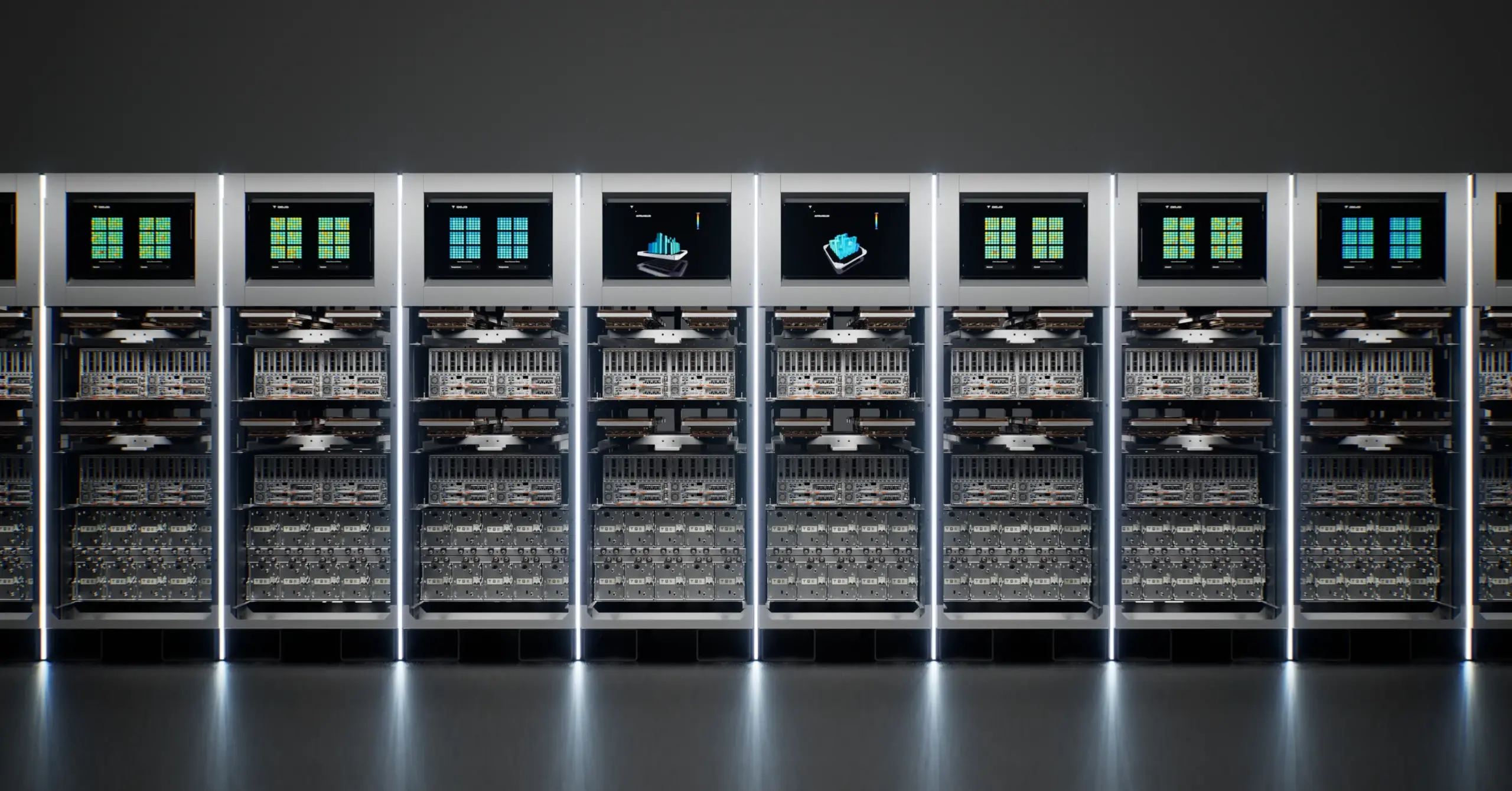
Tesla ends Dojo supercomputer project launched Dojo to handle the massive computational requirements of its autonomous driving program. Engineers designed the system to process video data from millions of Tesla cars around the world. This massive dataset required a powerful, custom computing architecture to train AI models.
The goal was to improve Tesla’s FSD software by feeding it huge amounts of real-world driving scenarios. This would help the AI make better decisions and be safer. Musk envisioned Dojo to be one of the most powerful AI training systems ever built. Tesla saw it as a competitive advantage in the autonomous vehicle race.
The supercomputer’s architecture focused on efficiency and cost reduction compared to commercial AI solutions. Tesla wanted full control over hardware and software to tailor it for driving-related AI workloads. This meant building custom chips, boards and cooling systems. For several years, Dojo attracted top AI and chip design talent from around the world.
Also read: DHS Moves FEMA Staff to ICE Amid Hurricane Season
The Challenges That Emerged
While Dojo was exciting, the challenges grew over time. Developing custom chips was harder and more expensive than expected. The team struggled to balance heat management, reliability and scalability in the unique architecture.
The computing industry moved fast. Competing AI hardware from companies like Nvidia has advanced at an incredible pace. Off-the-shelf solutions started to offer better performance for a lower cost than Tesla’s in-house approach. Dojo was less and less attractive as a long-term investment. And internally, Tesla had to make a choice. How much more resources to we pour into Dojo or focus on other profitable projects? Building a global-scale computing infrastructure for autonomous driving requires billions of dollars. In the face of market reality, Musk and Tesla’s leadership decided the project was no longer the fastest path to success.
Impact on Tesla’s AI Strategy
Shutting down Dojo changes Tesla’s AI roadmap but doesn’t weaken its autonomous driving goals. Tesla will now use existing cloud-based AI services from partners like Nvidia and others. These services offer the latest hardware and scalable computing power without the overhead of proprietary infrastructure.
Tesla’s FSD will continue to use massive datasets from its global fleet. Instead of processing data on Dojo, Tesla can train AI models on 3rd party supercomputers. This reduces costs, shortens development cycles and gives engineers more flexibility.
Investors see both risk and benefit in this approach. On one hand, Tesla loses a competitive edge in custom AI hardware. On the other hand, Tesla gets speed and reduces financial risk. The company can focus more on software innovation and user experience rather than chip fabrication and data center operations.
Industry Reactions
Industry analysts are divided on the move. Some see it as pragmatic, acknowledging Dojo can’t keep up with AI hardware leaders. Others think Tesla is losing ground in AI.
Rivals in the autonomous driving space see an opportunity. Companies already using 3rd party AI platforms will benefit from Tesla’s use of the same. But Tesla’s massive driving data advantage is a big differentiator.
Tech experts also note that abandoning Dojo makes Tesla more agile. They can adopt the latest AI hardware as soon as it’s available. This will help Tesla stay ahead in AI-driven mobility even if they steps away from building their infrastructure.
Future of Tesla’s AI and Autonomy
Tesla’s future in AI is still strong without Dojo. They will continue to refine FSD software with constant data collection and iterative updates. They can train large AI models and test them fast with advanced computing services.
Musk has hinted at focusing more on AI algorithms and neural network improvements. They can invest in decision making, efficiency and safety of their self-driving tech. They may also partner with leading AI hardware providers to get priority access to the latest systems.
The decision gives Tesla the freedom to pursue other innovations like Optimus, their humanoid robot and energy AI systems. Both require strong AI but don’t need Tesla to own the supercomputer hardware. This will lead to faster development and more applications for Tesla’s tech.
Also read: Trump and Putin to Meet for Ukraine Peace Talks
Conclusion
Dojo is the end of an era for Tesla’s AI. While the project was meant to redefine autonomous driving computation, it couldn’t keep up with the industry. Musk’s decision is about speed, scalability and efficiency over prestige projects.
It’s a lesson in tech: adaptability beats persistence when the conditions change. Tesla is still a big AI player, using tools and infrastructure that fit their evolving strategy. Dojo’s legacy will live on as a reminder that even the most visionary efforts must yield to practical reality.