Starbucks closing pickup stores in the US by September 2026. CEO Laxman Narasimhan announced this during the company’s Q3 earnings call. Starbucks launched the pickup-only format to serve mobile-first customers, especially Gen Z. These stores were mobile only, had no seating and sometimes no restrooms. Most were located inside busy office buildings or high-traffic city centers.
Narasimhan called the format “too transactional”. He wants to create community spaces, not just fast coffee stops. As of 2025, around 80-90 of these stores are still open. Starbucks will phase them out entirely by the 2026 fiscal year. Cities affected include Houston, where stores in CityCentre, Bush IAH Airport and Rosenberg will either close or convert.
Why Starbucks Is Changing
In Connecticut, the Barnum Avenue Starbucks closing pickup stores in Stratford is also under review for conversion or closure. Mobile ordering still plays a big role in the Starbucks ecosystem. 31% of transactions come through the app. But Narasimhan said Starbucks wants mobile to complement in-store interaction, not replace it.
Under his “Back to Starbucks” initiative, the company will invest heavily in store layouts and customer experience. These new stores will have comfortable seating, human interaction and a smoother flow for mobile and walk-in orders. The company will also invest $500 million in store operations and workforce scheduling.
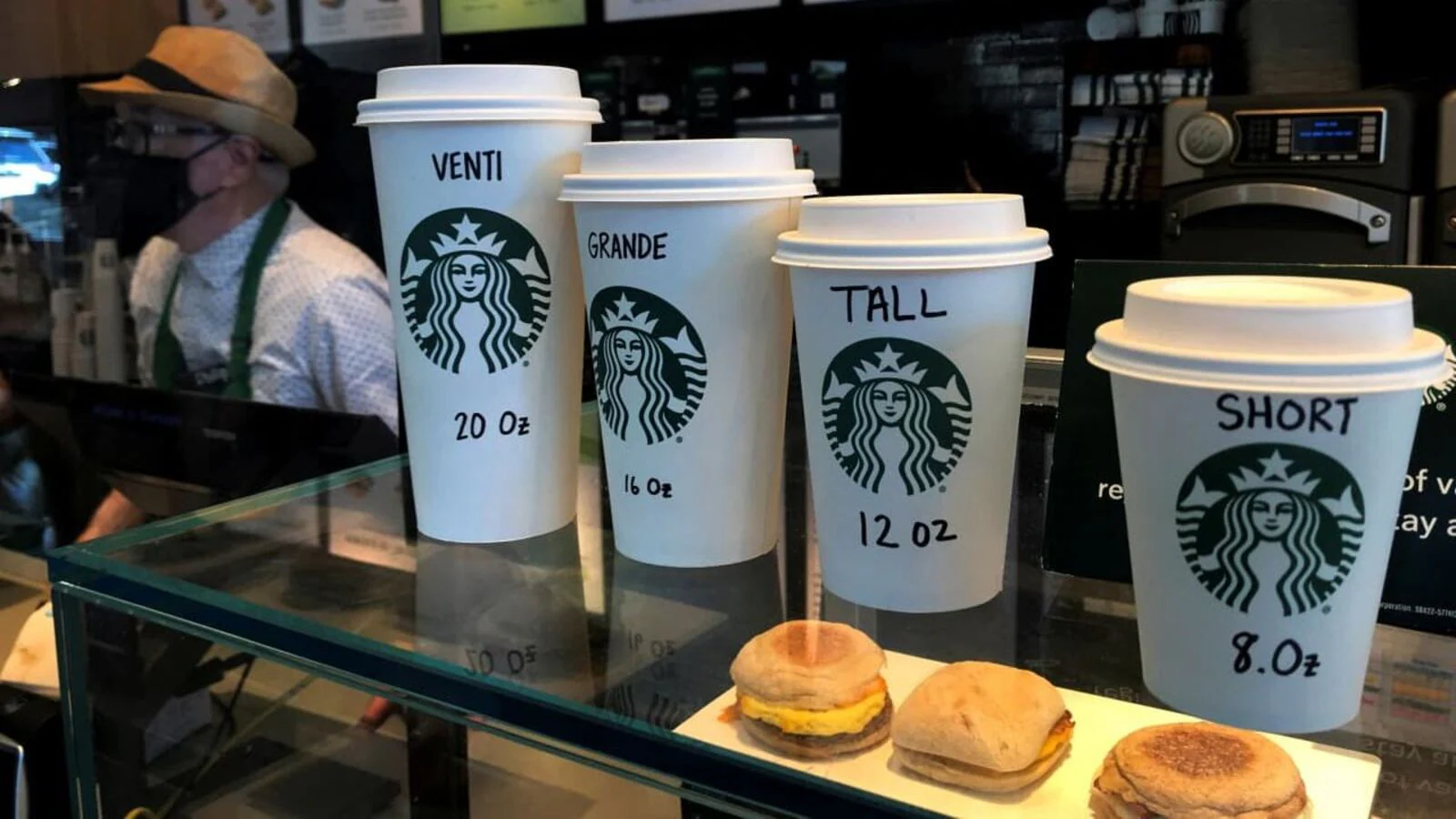
Narasimhan said the reinvestment will reduce wait times and improve employee satisfaction. Starbucks will bring back condiment stations and barista-drawn cup art. He says these small things matter to the overall experience and brand loyalty.
Also read: Hurricane center tracks Tropical Storm Gil in Pacific Ocean
Pickup-Only Format Doesn’t Deliver Brand Values
The pickup-only store concept was launched in 2019 to serve Gen Z’s need for speed and mobile convenience. It was seen as a futuristic way to retail. Starbucks designed these stores for quick turns with zero customer interaction. But over time, it became clear these stores didn’t deliver Starbucks brand values. Customers didn’t like the cold, impersonal environment. Some even said the lack of seating and bathrooms made it uncomfortable.
Narasimhan said the strategy didn’t deliver on the warmth Starbucks promises. He also noted that foot traffic in many pickup-only stores declined over time. Gen Z may like convenience, but not at the expense of community. Starbucks will now focus on formats where people can gather, relax and enjoy their drinks.
Improving Service and Store Experience
To support this, Starbucks will remodel at least 1,000 stores by 2026. Each store will get around $150,000 in upgrades. That includes new layouts, better barista stations and technology. They will also simplify the menu. They will get rid of underperforming items.
Some of the innovations include protein-infused cold foam drinks and tropical fruit beverages. The baked goods lineup will get an overhaul. Narasimhan wants to create items that excite customers while keeping prep times short. As part of this shift, Starbucks will also have employees go back to corporate offices 4 days a week. That aligns with Narasimhan’s broader goal of reconnecting the workforce and rebuilding company culture.
Stock Market Reaction and Financial Goals
Despite mixed earnings, Starbucks stock rose 3% in after-hours after the announcement. Investors liked the decision to close underperforming stores and get back to core. Narasimhan said the company is ahead of schedule on its turnaround plan. They still have challenges like inflation, labor shortages and international competition.
Starbucks hopes the remodeled stores will drive same-store sales, which have been declining for 6 quarters. A better in-store experience can help reverse that. In the US, the plan is clear: fewer transactional spaces, more community hubs.
Community Reactions and Employee Opinions
Baristas and customers have been sharing mixed reactions on Reddit. Some employees agree with the CEO and say the pickup-only stores felt cold and robotic. One barista said, “These stores never felt like Starbucks”. Others pointed out that mobile-only formats created workflow confusion and customer frustration.
Customers complained about app glitches, long waits and chaotic pickup shelves. Narasimhan acknowledged those problems and said improving the in-store experience is a top priority. He said mobile ordering won’t go away. Instead, it will get smarter and more integrated into the new layouts. That way, speed without removing comfort and service quality.
New Competition
Starbucks has competition from app-based chains like Luckin Coffee, which has recently entered the US market. Starbucks wants to be different by offering speed and hospitality. Narasimhan believes the brand’s legacy is in personal moments, like knowing your name or order by heart.
To maintain that, Starbucks will combine digital convenience with in-store warmth. They’ve already seen early success in pilot stores with the new format. Those stores have higher customer satisfaction scores and shorter wait times. They expect more of the same as conversions roll out nationwide.
Also read: Austin Hill Suspended by NASCAR for Intentional Crash
Looking Ahead
Starbucks will complete the pickup-only store phase-out by September 2026. They’ll also roll out the “coffeehouse of the future” model throughout 2025 and beyond. Narasimhan believes the changes will boost customer loyalty and staff morale. He said: Starbucks will not become a vending machine for coffee. It will remain a brand that values connection.
The closures are the end of an era. Starbucks took a risk with pickup-only stores and learned from it. Now they’re taking bold steps to course correct and get back to what made them special in the first place.