
By Dr. Mohammed A Nurhussein
Photos: Wikimedia Commons
Black History Month serves as a critical reminder to reflect on the rich, complex legacy of Black Americans and their enduring impact on the nation. This annual observance offers an opportunity not only to honor historic achievements but also to confront the persistent challenges and erasures that shape how Black history is remembered and taught. By examining both the origins and the contemporary limitations of Black History Month, we can better appreciate its significance and recognize the need to push for broader, more truthful narratives in our schools, media, and communities.
February, the shortest month of the year, is dedicated to Black History.

Noticing that Black Americans’ history, struggles, and contributions were largely absent from educational materials, the great educator, Carter G. Woodson—author of The Miseducation of the Negro—sought to promote Black history within the American education system a century ago. Woodson intentionally chose February to coincide with the birthdays of Abraham Lincoln and Frederick Douglass, both pivotal figures in the fight for freedom and equality, underscoring the month’s symbolic importance.
However, despite Woodson’s vision, mainstream media observance of Black History Month is often limited to brief highlights of celebrities in entertainment and sports, or stories about individuals deemed “safe.” This narrow approach fails to reflect the depth and complexity of the centuries-old struggle for equality, as well as the ongoing fight for civil and human rights that have benefited all Americans and profoundly shaped the country. It is troubling that current observances often don’t fully recognize Black history’s significance.
Ongoing Challenges and Limited Narratives.
This shallow, token acknowledgment disregards the sacrifices, activism, dignity, and undaunted resilience of Black Americans—from the unyielding courage of Ida B. Wells in exposing the horror of lynching, to the radical organizing of Fannie Lou Hamer and the Black women who built the Mississippi Freedom Democratic Party, and the 1921 Tulsa Race Massacre, a brutally suppressed episode of Black prosperity and resilience. The horrors of slavery, the terror of Jim Crow, and the systematic violence of lynching are too often sanitized or omitted entirely from public memory. Today, these omissions are being enforced: states like Florida, Texas, and Oklahoma have enacted laws that severely restrict teaching about systemic racism, privilege, and the legacies of slavery, while also constraining museums and educators from presenting accurate, unfiltered accounts of these histories. Such legislative actions deepen the erasure, threatening to silence the very stories that embody the relentless struggle for justice and human dignity.
For example, Florida’s “anti-woke” legislation is designed to limit the teaching of concepts related to systemic racism, privilege, and the historical effects of discrimination. These laws restrict how topics of race and social justice can be taught in schools, narrowing classroom discussions and making it harder for students to learn about the realities of systemic racism and its impact on American society.
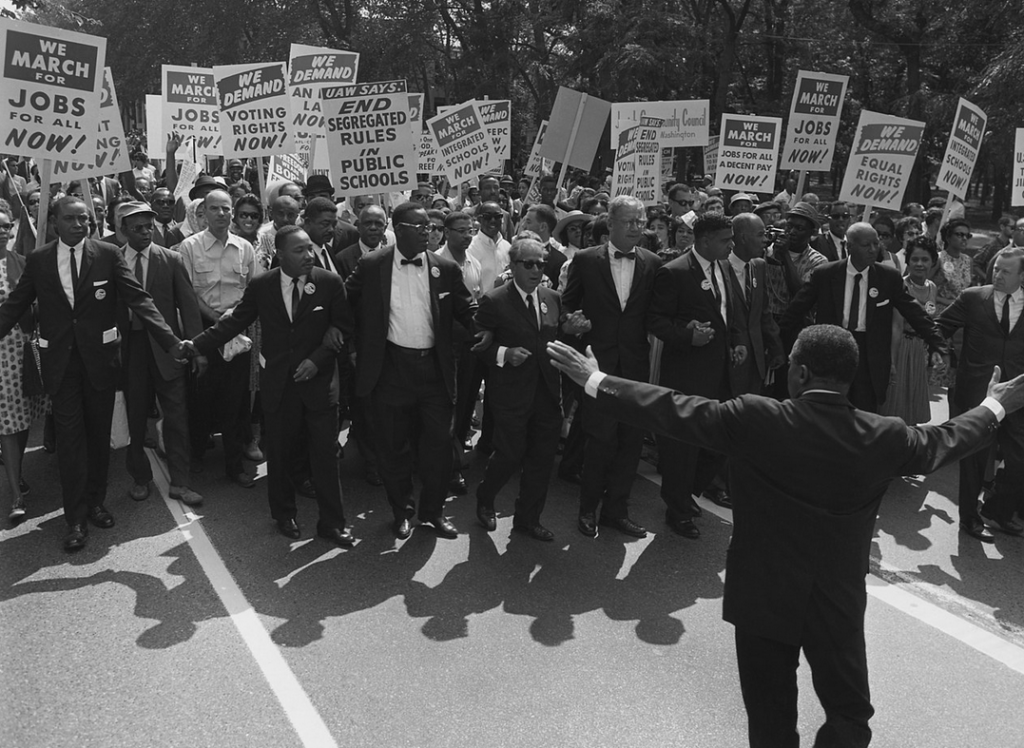
Similarly, actions during the Trump administration, such as the removal of slavery-related artifacts from museums, exemplify attempts to diminish Black history. One notable action of this president was replacing the bust of Dr. Martin Luther King Jr. in the Oval Office with one of Winston Churchill, the white supremacist arch imperialist. Such acts risk erasing the collective memory and contributions of Black Americans.
Recognizing and confronting these challenges is essential to ensuring that the true story of Black history remains visible, respected, and celebrated in American society. Yes, Black history is American history. The origins of Black History Month are linked to ongoing debates over how history is taught and remembered, making it vital to keep these stories alive for future generations.
This president has made it clear both in words and actions that he wants an Aryan nation (“why can’t we have people from Norway”?) and it is in that context that the wholesale deportation of black and brown immigrants and the termination of DEI needs to be seen.
As Black History Month draws to a close, it has become increasingly clear that the progress achieved over the past century requires ongoing commitment and vigilance. The pursuit of equality and justice remains challenging, underscoring the importance of perseverance. As expressed in the phrase “A Luta Continua,” and echoed by Pan-African leader Dr. Kwame Nkrumah, we are reminded to move “forward ever, backward never.”
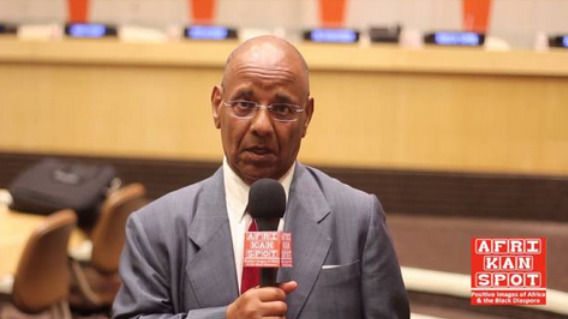
Dr. Nurhussein is a Clinical Associate Professor of Medicine and, until his retirement, served as Chief of Geriatric Medicine at the State University of New York (SUNY) Downstate Medical Center. Nurhussein is a Board Member of Ethio-American Doctors Group, Inc. and Member of the Executive Board of Brooklyn for Peace.