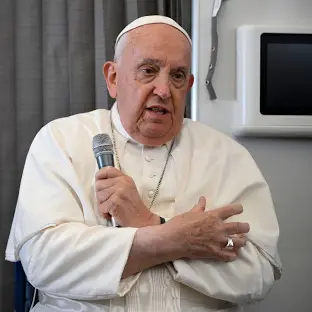
Pope Francis, the 266th Pope of the Roman Catholic Church, passed away at the age of 88, as announced by the Vatican. Born Jorge Mario Bergoglio in Buenos Aires, Argentina, he made history in 2013 by becoming the first pope from the Americas and the Southern Hemisphere. His death marks the end of a transformative 12-year papacy that left a profound impact on the global Catholic community and beyond.
A Life of Service and Reform
Pope Francis was elected on March 13, 2013, following the resignation of Pope Benedict XVI. At 76, he was considered an outsider by many. Yet his deep commitment to social justice, humility, and reform resonated with millions. He inherited a church facing global criticism over clergy abuse scandals and Vatican bureaucracy controversies. He made it his mission to restore credibility and compassion in the Church.
Throughout his tenure, Francis prioritized the marginalized, including migrants, the poor, and LGBTQ+ individuals. He championed causes like interfaith dialogue, climate change, and economic equality. His inclusive approach brought fresh energy to the Church’s global mission, even as he faced resistance from both conservative and progressive factions.
Pope Francis’ Final Days and Health Struggles
The Vatican revealed that Pope Francis had suffered multiple health issues in recent years. In February, he was hospitalized with bronchitis, followed by a diagnosis of bilateral pneumonia and signs of kidney failure. Despite these challenges, he made public appearances, including one on March 23 from a hospital balcony, giving a hopeful thumbs-up to supporters.
On April 20, 2025, he attended the Easter Sunday service and met with U.S. Vice President JD Vance. Less than 24 hours later, Cardinal Kevin Farrell announced his passing, stating, “At 7:35 this morning, the Bishop of Rome, Francis, returned to the house of the Father.”
A Legacy That Shaped the Modern Catholic Church
In just over a decade, Pope Francis initiated monumental changes:
- Reorganized the Vatican’s administration
- Conducted five synods to address controversial Church doctrines
- Promoted same-sex couple blessings under specific conditions
- Appointed women to high-ranking Vatican roles
- Made 47 international trips across 65+ countries
- Canonized over 900 saints
His efforts aligned the Church more closely with 21st-century values, emphasizing transparency, empathy, and unity.
What Happens Next: Choosing a New Pope
Following tradition, the Vatican will convene a conclave of cardinals within 15 to 20 days to elect the next pope. The world awaits the successor who will carry forward or possibly redefine Pope Francis’ legacy of inclusion and reform.
Pope Francis’ passing leaves a significant void in religious leadership. As tributes pour in from Asia, Europe, the Americas, Africa, and beyond, the world mourns a spiritual leader who redefined what it means to serve with love and conviction.