By Semafor Africa
Nigeria’s $2.3B Eurobond is a pivotal moment in its economic trajectory, demonstrating resilience in the face of adversity. This move not only aims to secure immediate funding but also lays the groundwork for long-term stability and growth. As the world watches, the outcomes of this financial strategy will be critical for Nigeria’s reputation on the global stage and its ability to attract future investments.
Photos: YouTube Screenshots
The implications of Nigeria’s eurobond issuance extend beyond immediate financial metrics. It signals to investors that the Nigerian government is committed to fiscal responsibility and economic reform. By effectively managing its debt levels and using borrowed funds for productive investments, Nigeria can improve its credit rating over time. A higher credit rating would reduce borrowing costs in the future and increase the country’s attractiveness as a destination for foreign direct investment.
Nigeria issued a $2.35 billion eurobond to support budget financing, against the backdrop of threats by the US government to initiate military action in the country.
This significant move represents a strategic financial decision aimed at stabilizing Nigeria’s economy during turbulent times. By issuing the eurobond, Nigeria can access international capital markets, allowing the government to finance various developmental projects and infrastructure improvements essential for economic growth. Such investments not only create job opportunities but also enhance the overall living standards of the population. Furthermore, attracting foreign investment through eurobonds can foster long-term economic relationships with international investors, which is crucial for a sustained economic revival.
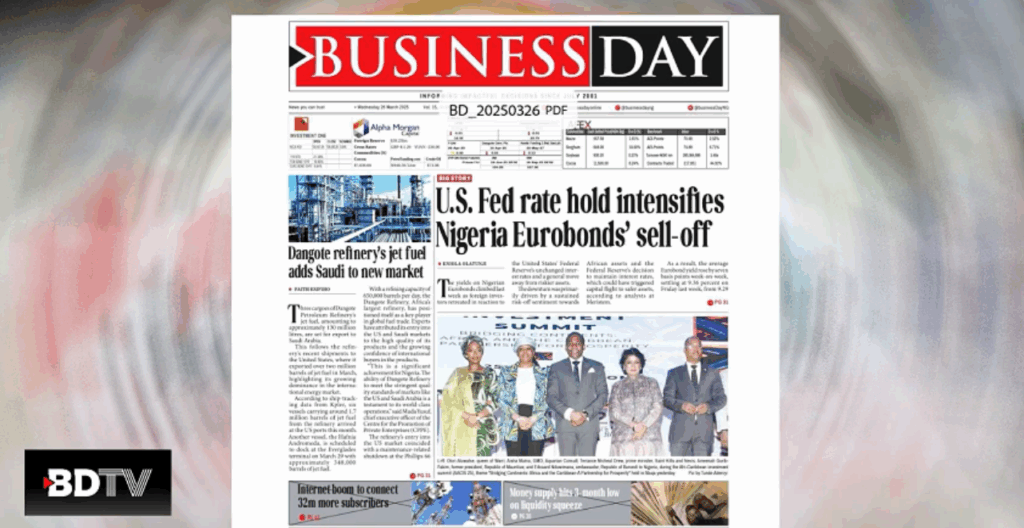
High demand for the offering, which attracted buy and sell orders of $13 billion, reflects confidence in the policy measures taken in the last two years by President Bola Tinubu’s administration to revive one of Africa’s largest economies, the country’s debt office said.
In conclusion, as Nigeria navigates this complex financial landscape, the importance of transparency and the establishment of robust financial frameworks cannot be overstated. The success of Nigeria’s $2.3B Eurobond will hinge on effective implementation of the proposed projects funded by this bond, and the government’s ability to maintain investor confidence amidst external pressures.
The ongoing tensions between the US and Nigeria highlight the complex nature of international relations that can significantly impact financial markets. For instance, military threats can lead to increased volatility in Nigeria’s currency, affecting investor confidence. Moreover, these geopolitical factors necessitate careful communication from the Nigerian government to reassure both local and international investors regarding the country’s stability and investment climate.
The decision to seek parliament’s approval for additional borrowing underscores the urgency of addressing Nigeria’s fiscal challenges. The proposed borrowing strategy is not unique to Nigeria, as various African nations have found themselves in similar predicaments due to the combined effects of the global economic downturn and the COVID-19 pandemic. Countries like Angola and Kenya have successfully navigated these challenges by leveraging their eurobond offerings to cover budget deficits, demonstrating a growing trend among African nations to utilize external financing for fiscal stability.
Nigeria has come under fire from US President Donald Trump for supposedly failing to quell violence against Christians. On Wednesday, Trump asked the US House of Representatives appropriations committee to “look into this matter,” alluding to his earlier threats to cut financial assistance to the continent’s most populous nation. The US Africa Command, meanwhile, has drawn up targets for a potential strike in Nigeria, according to The New York Times.
On Tuesday, Tinubu requested parliament’s approval for new borrowing to cover a $9.7 billion deficit in Nigeria’s budget for this fiscal year. Nigeria is the latest to issue an African sovereign debt note, despite concerns about debt distress on the continent. Angola and Kenya have each raised more than $1.5 billion this year through eurobond offerings.