
By Christopher Elliott
Michael Hughes thought he was being smart by paying for his European tour in full to lock in the price. But when his airline canceled his flight, his tour operator sent him a new bill for $670. Can a company really ignore its own price-lock guarantee because of an error?
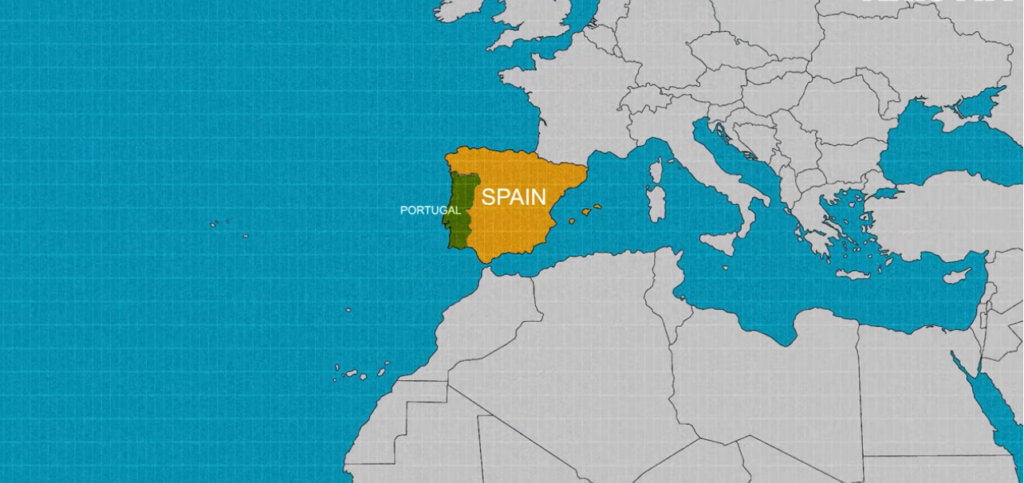
Q: I paid in full for an Overseas Adventure Travel (OAT) trip to Spain and Portugal almost a year in advance. I did this specifically to take advantage of the Good Buy program, which OAT advertises as a way to “secure your trip’s price and protect yourself from cost increases.”
A few months later, Air France canceled our original flight. OAT rebooked us on Delta, but then it mailed me an invoice for an additional $670 for customized air cost. I called and spoke with a representative who told me the fee was for a seating upgrade to Delta Comfort+. Since I wanted the extra legroom, I paid it.
When we got to the airport, the gate agent told us we were in standard coach. No Comfort+ seats were ever reserved. When I returned home and asked for a refund, OAT changed its story. First, it said the $670 was an “excess” charge. Then, it admitted its agent gave me “incorrect information” about the seat upgrade, but claimed the $670 was actually to cover the cost of the more expensive Delta flight.
I pointed to Section 7 of OAT’s own terms and conditions, which says the company cannot increase airfare costs for Good Buy customers who have paid in full. OAT told me that clause applies to “other things” but not airfare, and that the $670 was simply “correcting an error.”
OAT offered me a $670 credit toward a future trip, but after this experience, I don’t trust the company. I want my money back. Does the Good Buy plan actually mean anything, or can OAT charge me whatever it wants? — Michael Hughes, Burnsville, Minn.
A: Overseas Adventure Travel should have honored its contract with you. When a company offers a price lock as an incentive for customers to hand over thousands of dollars months—or even years—in advance, that agreement isn’t a suggestion. It’s a binding promise.
Section 7 of OAT’s agreement says the company reserves the right to increase the trip price due to changes in airfares “unless you pre-paid according to the terms of the Good Buy Plan prior to the cost increase going into effect.” You paid in full 10 months before your departure date. OAT shouldn’t have passed that cost on to you.
Beyond the contract, there are federal protections to consider. The U.S. Department of Transportation (DOT) is very clear: once a ticket is fully purchased and the transaction is complete, an airline—and by extension, the agent acting on its behalf—is generally prohibited from increasing the price.
You did the right thing by keeping a meticulous record of your correspondence. When a company agent tells you a fee is for a seat upgrade and it turns out to be for a price hike it wasn’t allowed to charge you in the first place, “oops” isn’t a valid defense.
When you hit a wall like this, you should always appeal the initial rejection to an executive. I list the OAT executive contacts on my advocacy site, Elliott.org. A polite, firm email to an executive often works better than a dozen frustrating calls to a front-line agent who is just reading from a script.
The company conducted a full internal review after I made them aware of your case. A spokesperson for OAT told us that the team processed a refund of the $670 in question. It also apologized to you for the “confusion.”
Christopher Elliott is the founder of Elliott Advocacy, a nonprofit organization that helps consumers solve their problems. Email him at [email protected] or get help by contacting him on his site.