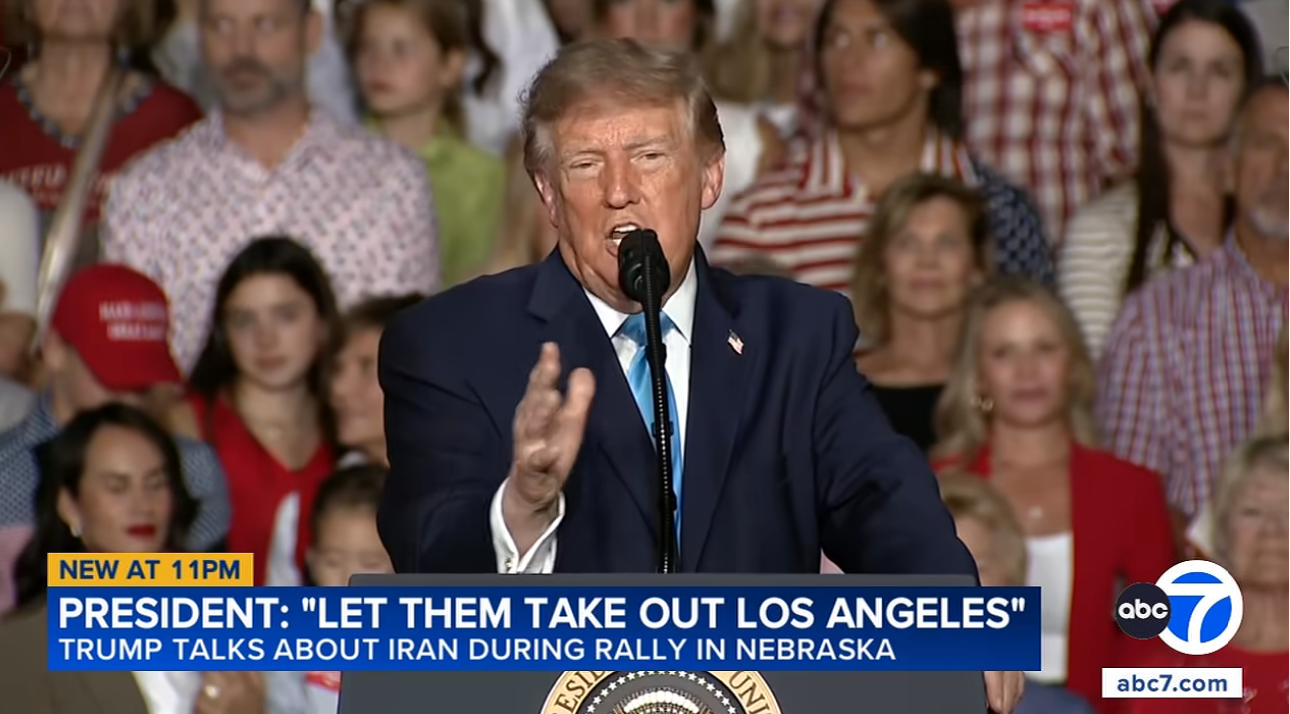
“They could take out a city. Let them take — Let them take out Los Angeles. Let them take out San Diego.”
–Donald Trump, Grand Isle, Nebraska rally 5 October 2026, suggesting that Iran would be welcome to attack Democratic-voting cities on the west coast once they develop a nuclear weapon.
Who thinks like that? Yes, as is typical of him, he attempted to reverse that utterly sociopathic statement—by then he was at a New York rally, so he conveniently changed his tune.
Trump is seemingly devoid of humanity, showing zero actual care for literally anyone but himself or his mini-me progeny. This has been clearly demonstrated throughout his life, his shady business dealings, his unprecedented corruption, his willingness to slash health care, education, and environmental regulation, and so much regrettable more.
But, after all, mainstream American voters put him in office.
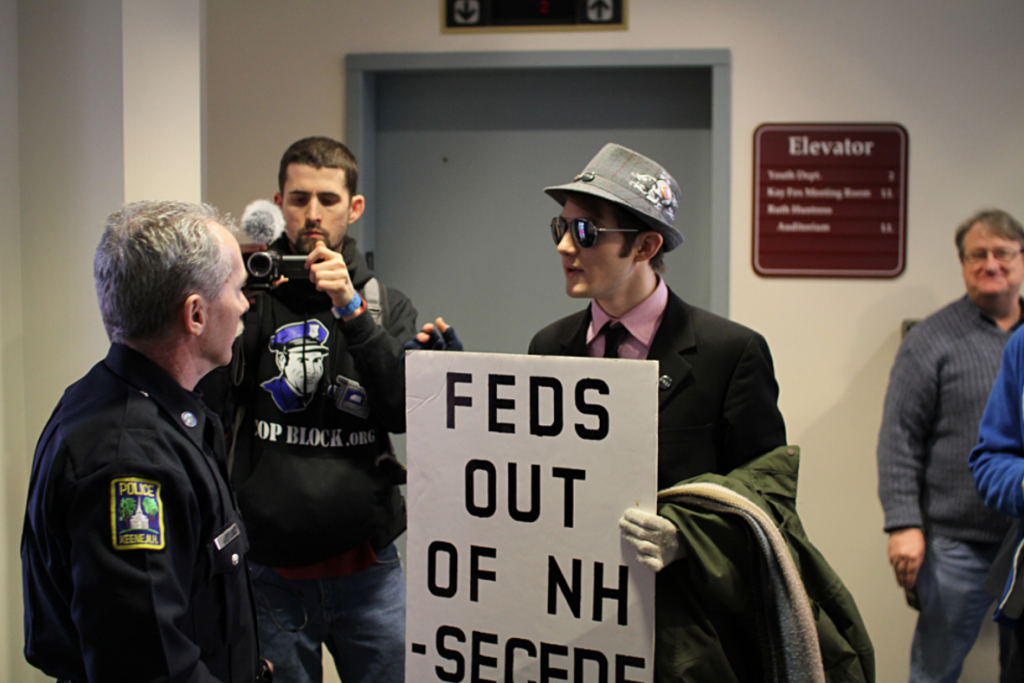
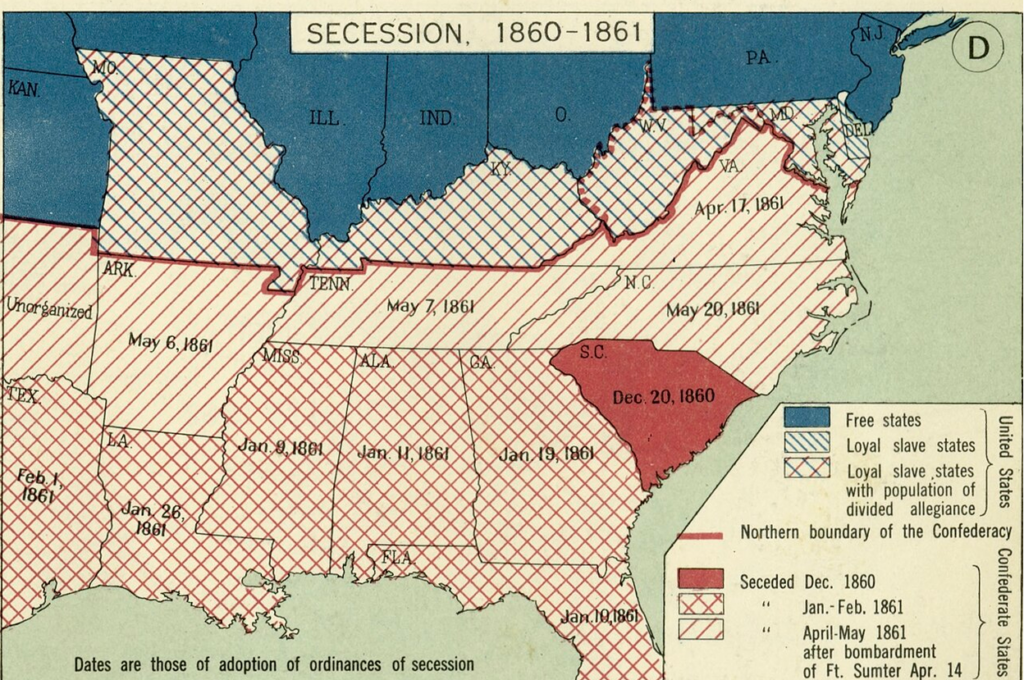
We may need to consider taking a path somewhat similar to what the Soviet Union did—separating from each other. But this time without a civil war—let portions of the country secede peacefully with all the complex negotiations that would entail.
It would be hard, uncomfortable, and it would require sacrifice, but there are simply those times when going our own ways is the only tenable path.
I don’t want to be in the same nation as the Trump voters who cheered him when he said that Iran could destroy LA and San Diego. No. Let us go our own way. We could forge far better relationships with Canada, Mexico, the EU, and many of the Pacific and Asian nations that Trump continues to offend, bully, and berate.
“But,” you say, “we are one nation, helping each other through disasters with the might of our government and resources.”
Not any more. I’m an old man, mid-70s, and in my long life I have never witnessed a regime so partisan, so clearly into blatant and grossly un-American retributive actions, withholding disaster aid from states who didn’t vote for him, as Trump has done. For example, as noted by Politico journalist Thomas Frank in July, Trump:
“rejected $227 million in aid requests from New York, New Jersey, Massachusetts and Rhode Island for help recovering from a major snowstorm in February. Two days earlier, Trump approved Federal Emergency Management Agency disaster aid for six Republican-led states, while extolling the political virtues of GOP politicians and candidates in the states.”
This has been Trump’s unprecedented pattern, his supremely transactional reward for loyalty—pardoning all the violent attackers from 6 January 6 2021, targeting Democratic-led cities and states for investigations by his puppet Department of Justice, and offering buck-naked bribes to voters in red states or red congressional districts who have been wavering in support for him with the record-high diesel prices driven by his unprovoked war on Iran.
There is no reason such a split would have to be violent, any more than business partners going their own ways, or a married couple divorcing. Indeed, wrote political scientist Dr. Jim Cox, there have been 57 such national separations without violence since 1776.
We are taught as American children that we were forced to wage war to secede from the United Kingdom in 1776 and that we are the model for how to do that. Not really.
Historian Walter Conser has written in detail of the many ways in which the colonies waged nonviolent resistance toward freedom and independence in the decade before war broke out, 1765-1775. Contrast our American Revolution, costing so many lives and featuring such massive misery, with Australia peacefully exiting the United Kingdom 125 years ago, in 1901.
Many from the US hear “secession” and assume civil war. No. Think of Norway and Sweden dissolving their union by vote of the people in 1905. Voting—what a concept.
While Syria’s 1963 dissolution from Egypt in what had been the United Arab Republic was rockier and less democratic, it was not a civil war. Yes, as these separatist movements seek sovereignty it would be wonderful to have them all be the result of nonviolent, democratic plebiscites, but can we at least settle for no bloodshed?
In their small but groundbreaking book, Getting to Yes, Roger Fisher and William Ury teach that in any negotiation one should think about and develop a BATNA, a best alternative to a negotiated agreement. That is, what do we do if negotiations fall apart?
In our American case, we are seeing the collapse of negotiations—Trump is purely self-aggrandizing and transactional and his party is under his thumb—including Republicans in Congress, and including enough of the Supreme Court to grant him utter immunity and impunity. One BATNA might be to launch a nonviolent but determined effort to disunite the states.
This, of course, is not a new idea, but one that our current circumstances might warrant a renewed and invigorated discussion.
Dr. Tom H. Hastings is Coördinator of Conflict Resolution BA/BS degree programs at Portland State University. His views, however, are not those of any institution.