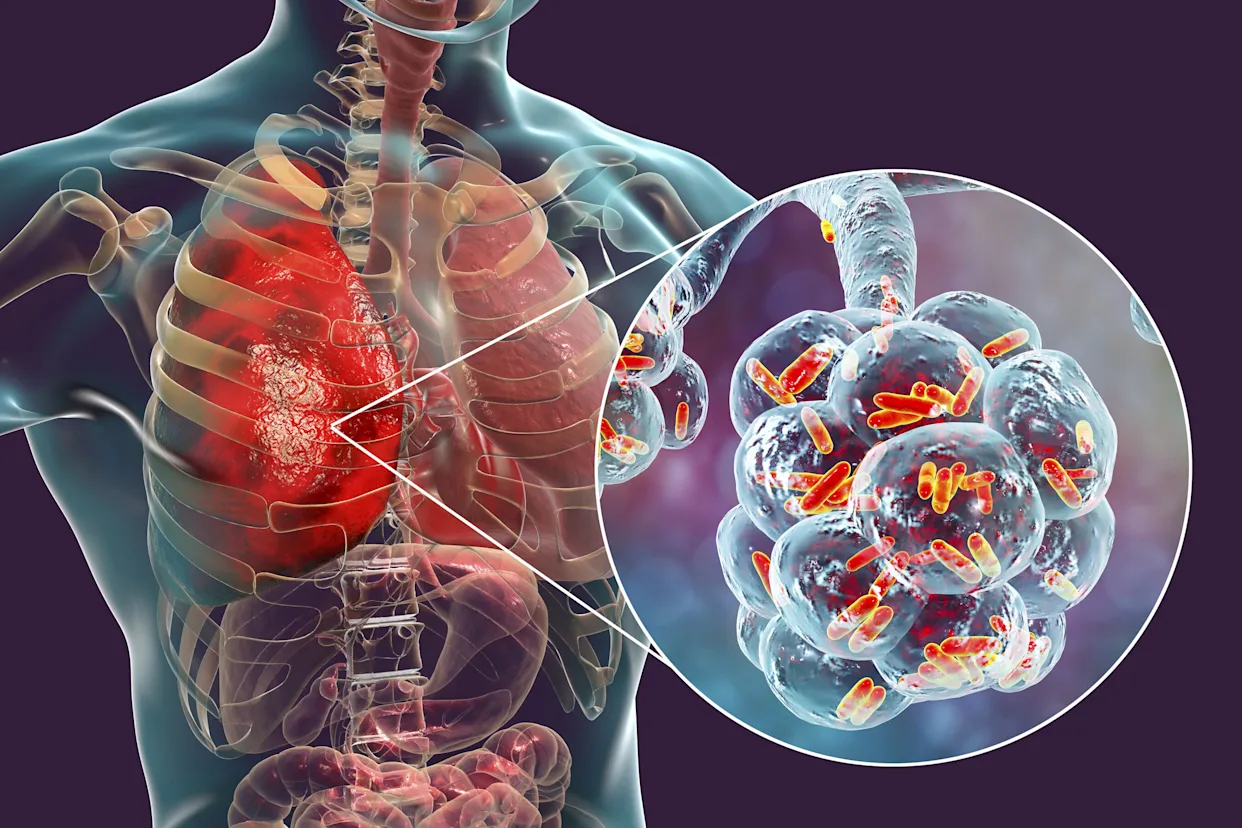
Legionnaires’ disease causes a bad type of pneumonia. Legionella bacteria cause this. These germs grow in warm water. They live in hot tubs, air conditioners, fountains and plumbing systems. People get the disease by breathing mist from infected sources.
Most people exposed don’t get sick. But certain groups are at higher risk. Smokers, older adults and those with weak immune systems get serious complications.
Doctors call this severe but treatable. Quick care prevents death. Knowing the symptoms and risk factors helps.
Air conditioners in big buildings support the bacteria. The bacteria multiply and spread in mist or steam. When people breathe in tiny droplets, the bacteria reach the lungs. Inhalation causes infection. People don’t get sick from drinking contaminated water.
In rare cases, people can get infected if water enters the lungs while drinking. This happens to people with swallowing problems. The infection never spreads through direct contact.
Symptoms of Legionnaires’ Disease
Symptoms appear 2-10 days after exposure. The disease starts with flu-like symptoms. Soon after, more serious symptoms develop. Some patients cough up mucus or blood. Chills, fatigue and loss of appetite follow. Diarrhea, nausea and confusion may also occur.
People get very sick fast. This is not a mild illness. Hospital care is needed in many cases.
Also read: Deion Sanders Cancer Comeback Inspires Colorado Team
Pontiac Fever: A Milder Form
Legionella also causes a milder illness called Pontiac fever. This doesn’t involve the lungs. People with Pontiac fever develop fever, chills and muscle pain. Headache and fatigue also appear. These symptoms go away without treatment. Pontiac fever looks like the flu. It usually goes away within a week. This doesn’t cause pneumonia. But it comes from the same source as Legionnaires’ disease. Both are caused by Legionella bacteria exposure.
Doctors rarely test for Pontiac fever unless there’s an outbreak. Public health investigators look into such cases. Knowing both helps to find water system problems.
Diagnosis Through Testing
Doctors check symptoms first. They look for pneumonia with fever, cough and shortness of breath. When Legionnaires’ disease is suspected, they order lab tests. A urine test can detect Legionella antigens quickly. This test gives results in hours.
Sputum samples help identify the bacteria. Doctors may also order chest X-rays. Doctors combine clinical clues with test results. A full medical history also helps. If the patient stayed in hotels or hospitals recently, the doctor will consider Legionnaires’ disease.
Treatment Requires Action
Doctors treat the infection with antibiotics. Macrolides like azithromycin work well. Fluoroquinolones like levofloxacin also show good results. Patients often get meds through a vein. Hospital teams monitor oxygen levels and breathing.
Some people need ventilators. They also get fluids, oxygen and other support. Doctors act fast because delay increases death risk. Treatment takes several days or weeks.
Pontiac fever doesn’t need antibiotics. Rest and fluids help in recovery.
Complications Can Be Life-Threatening
Legionnaires’ disease can cause serious complications in some cases. Respiratory failure is number one. Patients can lose lung function. Some need ICU with ventilator support.
Sepsis can develop. This is when the infection spreads through the body. Blood pressure drops very low. Organs can fail from a lack of oxygen.
Acute kidney failure also threatens some patients. The kidneys stop filtering waste from the blood. These conditions increase the risk of death. Early treatment improves survival. Recovery may require rehab.
Prevention Through Proper Water Management
Prevention is about water safety. Building owners must maintain water systems. For water heaters, cooling towers, and pipes, an inspection routine has to occur. Cleaning and disinfecting are to help get rid of any bacteria. Facility managers should also look out for temperature and possible stagnation.
Hospitals, hotels, and nursing homes have additional duties to weigh. These places house people at higher risk. Engineers use safety protocols to control Legionella growth. Water temperature and flow both need to be regulated.
Homeowners face less risk. But they should clean humidifiers and showerheads. Hot tubs need proper chlorination.
Outbreaks and Public Health Monitoring
Legionnaires’ disease can cause community outbreaks. Hotels, hospitals and apartment buildings see clusters. Cooling towers and fountains often play a role. Public health teams investigate such events.
They test water systems and interview patients. Experts track the bacteria’s source. Once confirmed, they clean and disinfect the system. This stops more cases.
Authorities often require building managers to install water safety programs. Ongoing monitoring reduces risk. Reports from doctors help track new cases. Early action protects others from exposure.
Travel-related cases also occur. Tourists get it from hotel water systems. Health departments share alerts across regions.
Also read: Austin Hill Suspended by NASCAR for Intentional Crash
Conclusion
Legionnaires’ disease is serious. Doctors rely on clinical symptoms and lab tests. Antibiotics treat the infection well. Most people recover fast with proper care.
Public health measures prevent outbreaks. Clean water systems and responsible building management protect the public. Vulnerable groups need to be extra cautious. Awareness saves lives. Watch out. Stay safe. Act quickly. Water safety saves.