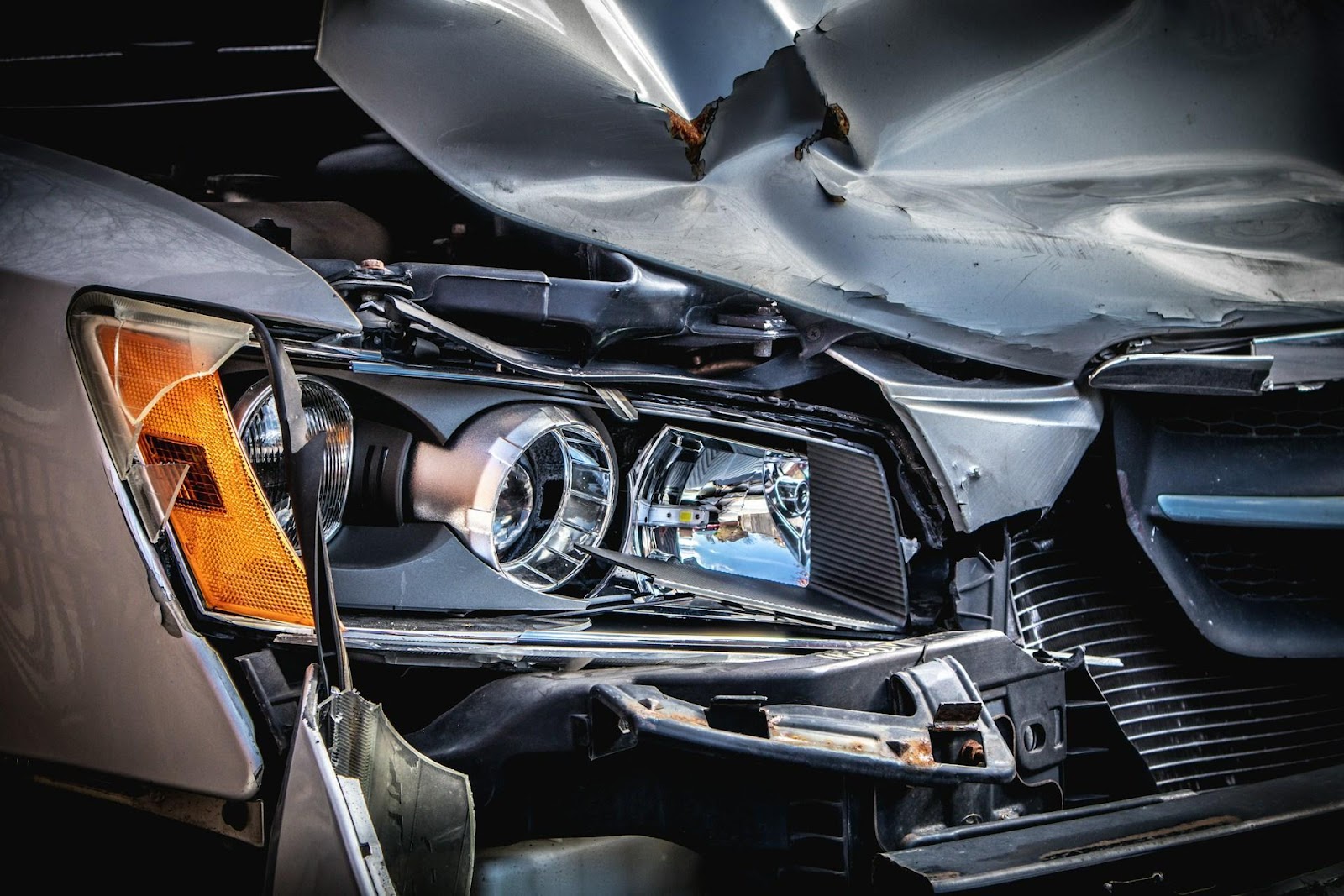
Have you ever had one of those moments where time seems to slow down? Maybe it’s a near-miss on the Strip or the sudden blare of a horn from a speeding tourist. In Las Vegas, where traffic is a constant mix of locals, tourists, and rideshares, accidents can happen in an instant. One minute, you’re heading to work or grabbing groceries. The next, you’re dealing with a wrecked car, injuries, and a flood of decisions you weren’t prepared for.
With congestion on I-15, distracted drivers on the Strip, and unpredictable road conditions, crashes are more common than ever. Whether it’s a reckless driver, a crowded intersection, or simple bad luck, accidents happen daily. The real question isn’t just what caused it—it’s what comes next. How do you handle the situation? Who should you call? What mistakes could cost you later?
In this blog, we will share the key steps to take after a serious roadway crash in Las Vegas, helping you stay calm, protect yourself, and avoid costly errors.
Call for Help and Gather Information
Once you’ve checked for injuries, call 911. Police reports are essential for insurance claims and legal matters. Even if the other driver tries to talk you out of it, insist on an official report. This document can protect you if the other driver later changes their story.
While waiting for the police, gather as much information as possible. Take pictures of the accident scene, including vehicle damage, license plates, and road conditions. Exchange names, phone numbers, and insurance details with the other driver.
If you’re in a high-traffic area like Las Vegas, legal help may also be necessary. With so many tourists and commercial drivers on the road, accidents can quickly become complicated. Consulting a Las Vegas car accident lawyer can help you understand your rights and ensure that insurance companies don’t take advantage of you.
Also, avoid discussing fault at the scene. Even saying something as simple as “I’m sorry” could be used against you later. Stick to the facts and let the police determine what happened.
Seek Medical Attention, Even If You Feel Fine
After the adrenaline wears off, injuries become more noticeable. Some people walk away from a crash feeling fine, only to wake up the next morning barely able to move. That’s why getting checked by a doctor is so important.
Emergency rooms can diagnose serious injuries right away, but even a visit to an urgent care center can help. Soft tissue injuries, concussions, and spinal problems often develop hours or days later. If you delay treatment, insurance companies might argue that your injuries weren’t caused by the crash at all.
Medical records also play a big role in legal cases. If you need to file a claim, those records will prove that your injuries were a direct result of the accident. Skipping a medical visit can make it harder to get compensation for medical bills and lost wages.
Notify Your Insurance Company
No one enjoys dealing with insurance claims, but reporting your accident as soon as possible is essential. Most insurance policies require immediate notification. If you wait too long, your claim might be denied.
When speaking with your insurance company, stick to the facts. Don’t speculate about fault, and don’t minimize your injuries. Some insurers will look for ways to pay you less, so choose your words carefully. If the other driver’s insurance contacts you, be cautious. You’re not required to give a recorded statement without legal advice.
Insurance adjusters might offer a quick settlement, especially if your injuries seem minor at first. But accepting too soon can be a mistake. Some injuries require long-term treatment, and early settlements rarely cover all expenses. It’s always best to review any offers with a legal expert before signing anything.
Watch Out for Hidden Costs
A car crash isn’t just about vehicle damage. Medical bills, lost wages, and long-term health problems can add up fast. Some injuries result in months of physical therapy, while others can cause chronic pain that affects daily life.
If your car is totaled, you may also face unexpected transportation costs. Rental cars, ride-shares, and public transportation can add up quickly, especially if your insurance doesn’t cover them. These hidden costs can be overwhelming, which is why proper documentation and legal guidance are so important.
If the crash wasn’t your fault, you shouldn’t have to pay for someone else’s mistake. Filing a claim for damages can help cover your medical expenses, lost income, and pain and suffering. But navigating that process alone can be frustrating, especially when insurance companies push back.
Take Steps to Protect Yourself in the Future
While no one can predict an accident, you can be prepared. Keeping an emergency kit in your car with a first-aid kit, flashlight, and basic tools can be a lifesaver in a crash. Having a dashcam can also provide valuable evidence if a dispute arises.
Another smart move is reviewing your insurance coverage. Many drivers don’t realize they’re underinsured until they need to file a claim. Checking your policy for things like uninsured motorist coverage can prevent financial headaches later.
Finally, remember that defensive driving saves lives. Avoid distractions, follow speed limits, and stay alert—especially in high-risk areas. With more drivers on the road than ever, staying aware can make all the difference.
All in all, a serious roadway crash can turn life upside down in an instant. But knowing what to do in the aftermath can make recovery easier. Stay safe, get medical attention, and document everything. Whether it’s dealing with insurance, seeking legal help, or managing long-term costs, each step matters.
Accidents are always stressful, but being informed can help you regain control in an uncertain situation. While no one ever plans for a crash, preparation and awareness can make all the difference. By taking the right steps, you can safeguard your well-being, protect your financial future, and move forward with confidence, knowing you’ve handled the situation as effectively as possible.