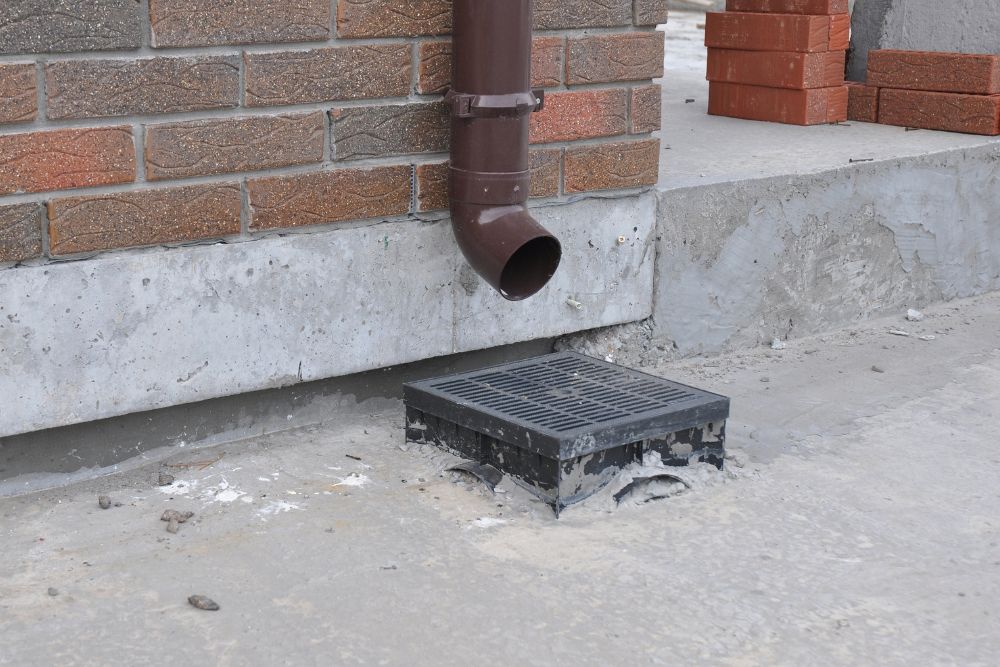
Stormwater drainage grates play a crucial role in managing water runoff on construction sites and other urban areas. Proper installation ensures that the grates work efficiently and promotes water flow management. Whether installing new grates or maintaining existing systems, this article provides key important tips that will ensure the job is done right and will provide long-lasting results.
1. Choose the Right Grate for the Job
Different environments require different materials or designs. For instance, residential areas typically use grates designed for pedestrian safety, whereas commercial sites may need grates capable of handling larger volumes of water and heavier traffic. Consider materials like cast iron for long-term performance. The material should be resistant to corrosion, especially if exposed to harsh weather or chemicals.
2. Proper Sizing and Placement
A grate that’s too small can cause water backup, leading to flooding or soil erosion, while one that’s too large may not capture enough water. Calculate the water volume based on local climate and soil type. Position the grate at low points where water accumulates naturally to ensure efficient flow and reduce pooling. Ensure it’s flush with the surface to prevent tripping hazards and ensure proper water flow.
3. Excavation and Foundation Work
Once the correct grate and its placement are determined, begin excavation. Dig the area to the required depth and shape, making it slightly larger than the drainage system dimensions for proper fitting and support. If the surrounding soil is unstable, use gravel or compacted soil to provide a firm base. Without a solid foundation, grates may misalign or fail to function, leading to costly repairs later.
4. Check for Proper Slope
Stormwater drainage relies on gravity to guide water toward the grate and into the system. Ensuring the surrounding area has the correct slope is crucial. Without it, water may pool and cause flooding. Use a level tool to verify the surface is angled towards the drainage system. A 1-2% slope is usually enough to maintain proper water flow and avoid erosion, especially in areas with heavy rainfall or high traffic.
5. Secure the Grate Firmly
After positioning the grate, secure it to ensure stability and prevent shifting or loosening. This may involve bolting it down, using anchors, or employing locking mechanisms. Aside from that, a securely installed grate reduces the risk of displacement, which could lead to gaps, tripping hazards, or disrupted water flow, while also lasting longer and requiring less maintenance.
6. See for Accessibility and Maintenance
Ensure the stormwater drainage grate is easy to lift or remove for regular inspections and cleaning. Grates are designed to handle debris, but periodic cleaning is necessary for optimal performance. This is especially important in high-traffic areas, where debris tends to accumulate faster. Regular maintenance helps prevent clogging, ensuring efficient water flow and extending the system’s lifespan.
7. Consider Aesthetic and Safety Factors
Choose a design that complements the surrounding area while maintaining functionality. Modern grates come in various designs, including decorative options to enhance curb appeal. Safety should be a top priority. Select a grate with a surface that minimizes the risk of slipping, especially in wet areas. Anti-slip surfaces with evenly spaced bars can prevent accidents and ensure the drainage system remains safe.
8. Adhere to Local Regulations and Codes
Before installing stormwater drainage grates, check local regulations and codes to ensure compliance. Different regions have specific requirements regarding grate sizes due to environmental concerns. Adhering to these codes ensures that the installation meets both legal standards and operational expectations. Plus, it can avoid costly fines with permits during the construction or renovation process.
Smart Installations for Lasting Protection!
Installing stormwater drainage grates is an essential step in managing water runoff and preventing flooding in various settings. From choosing the right grate to maintaining the system, the job will not only be effective but will also minimize the need for costly repairs. Keep in mind the importance of following local guidelines and regulations to ensure long-term performance and safety for the entire site.