Dare County officials issued urgent orders as Hurricane Erin approached the Atlantic. They declared a state of emergency. They ordered mandatory evacuations for Hatteras Island, one of North Carolina’s most vulnerable barrier islands.
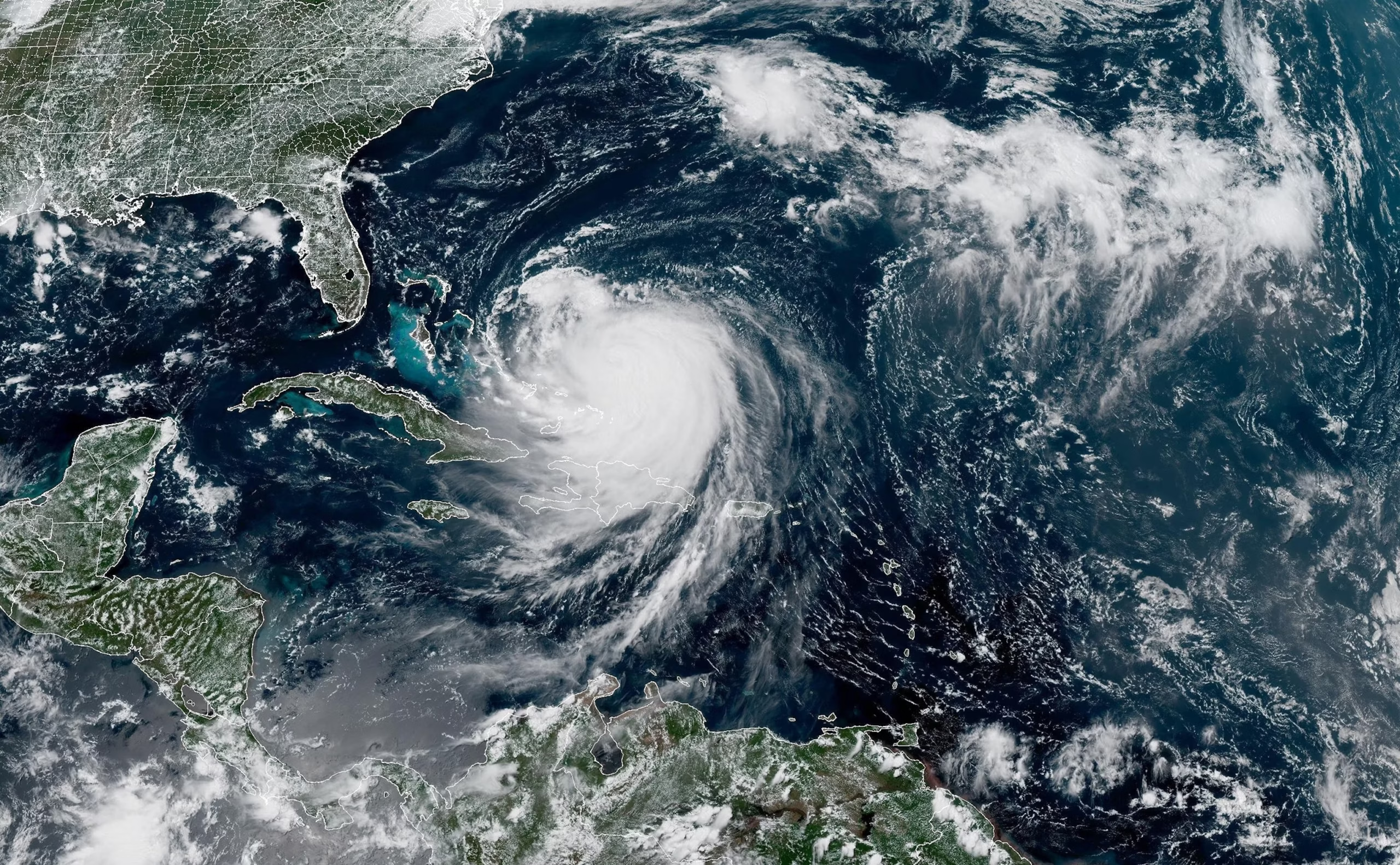
Erin blew up fast. Meteorologists tracked its surge from Category 1 to Category 5 in one weekend. At its peak, the storm had 160 mph winds. Later, it dropped to Category 3 but grew in size.
Warnings of Severe Coastal Hazards
Hurricane Erin Meteorologists predicted severe surf impacts along the Outer Banks. They warned of 20-foot waves pounding the dunes. Rogue waves could reach 30 feet offshore. This time, overwash could isolate entire communities for days. Residents faced possible structural damage to homes and businesses. Low-lying areas could be underwater several feet.
Forecasts for the U.S. East Coast
Meteorologists sent out alerts from Florida to New England for life-threatening rip currents and heavy surf. The Outer Banks were in the most immediate danger. A Coastal Flood Watch was issued for Dare County starting Tuesday evening.
The National Hurricane Center said storm conditions would last through Thursday, August 21. They warned of prolonged pounding waves, dune erosion and flooding on Hatteras Island. High tide cycles would make things worse, with seawater flooding roads.
Forecasters said Erin’s offshore track meant no relief. Big hurricanes often spread impacts hundreds of miles from the eye. For the Outer Banks, even a near miss would mean days of destruction.
Also read: M-23 And DR Congo Fail To Secure Peace Deal Agreement
Community Preparations Underway
Dare County authorities are recommending that residents move right now-packing essentials like medications, crucial records and emergency provisions. Families need to have a plan for shelter inland or with relatives.
Local businesses are securing storefronts and closing up. Workers are boarding up windows and removing outdoor furniture. Hotels are cancelling bookings as visitors evacuate. Emergency teams are staging equipment inland for quicker response after the storm. Troopers will be managing traffic during the evacuation. They will be directing traffic onto 64 and 95 to get people inland. Officials are advising against using coastal roads, which will flood and be congested.
Officials Warn of Perils of Staying Behind
Leaders told us: if you stay behind, you will die. Once Highway 12 floods, rescue teams may not reach you. Dunes will collapse, and your home will be unprotected. Calls will go unanswered until conditions improve.
They referenced past hurricanes that hit the Outer Banks and they also reminded us of 2011’s Hurricane Irene, which cut new inlets across Hatteras. They said Erin could do the same, or worse.
Residents React to Evacuation
Some residents were frustrated about leaving again. Others remembered past storms and decided not to take a chance. Visitors, many on vacation, had their travel plans disrupted, but followed the orders.
Local shelters were set up to take in evacuees without transportation. Volunteers helped seniors and families without vehicles. Churches and community centers offered space for temporary housing inland.
After the Storm
Once Erin passes, recovery will begin. Officials will assess dune damage, fix Highway 12 and utilities. Businesses will open up gradually as conditions allow.
Federal and state money may help with rebuilding. Emergency grants cover housing, debris removal and infrastructure. Insurance claims take months, but recovery is all about the community.
Also read: Safaricom Projecting Rapid Subscriber Increase In Ethiopia By 2030
Summary: Evacuation is the Only Safe Option
Erin shows us how vulnerable the barrier islands are. Even if the storm’s center doesn’t hit Hatteras, the impact is inevitable. Big waves, storm surge and flooding are coming.
Dare County officials moved quickly with the evacuation order. They put human life over convenience. Residents and visitors are inland now, leaving homes and businesses behind.
As Erin churns off shore, the Outer Banks prepares for nature’s fury. Communities hope their prep work is enough. Above all, leaders say one thing: lives matter more than property. Evacuating now means we can come back later to rebuild together.