By Miles “Hollyhood” Casso
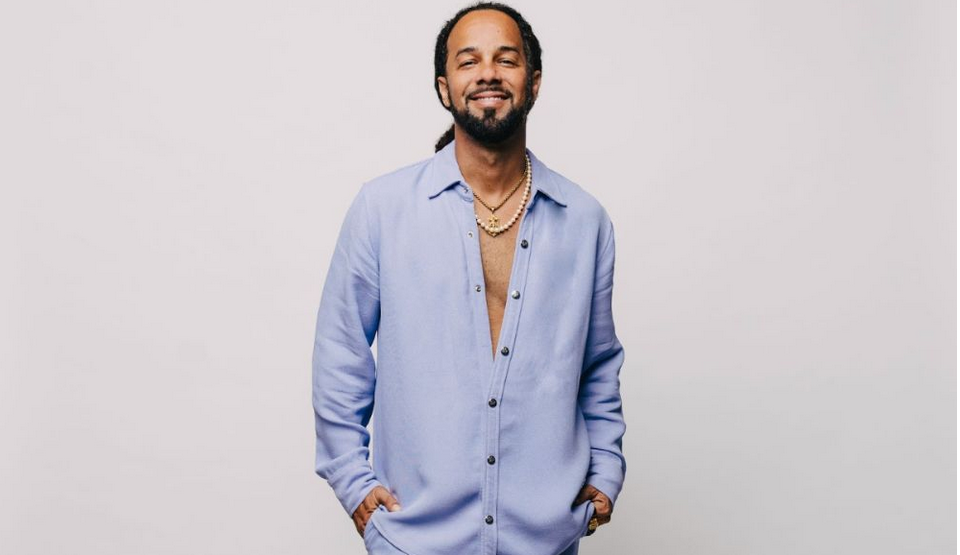
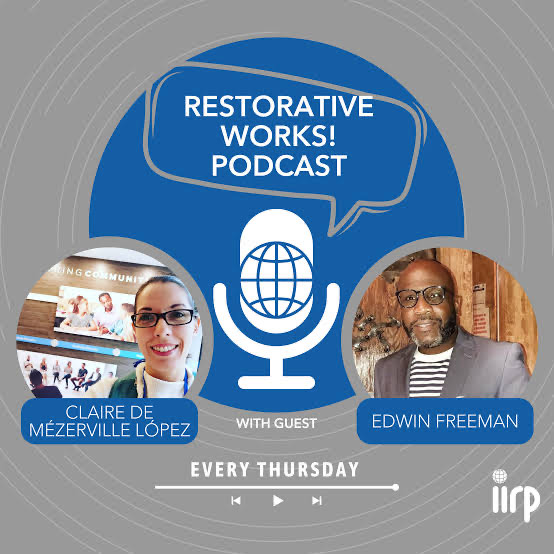
Actor, filmmaker, educator, and founder of the groundbreaking Hip Hop Harmony Program, Edwin Freeman, was recently featured on the popular Restorative Works! Podcast to discuss his transformative work in urban schools across New York City.
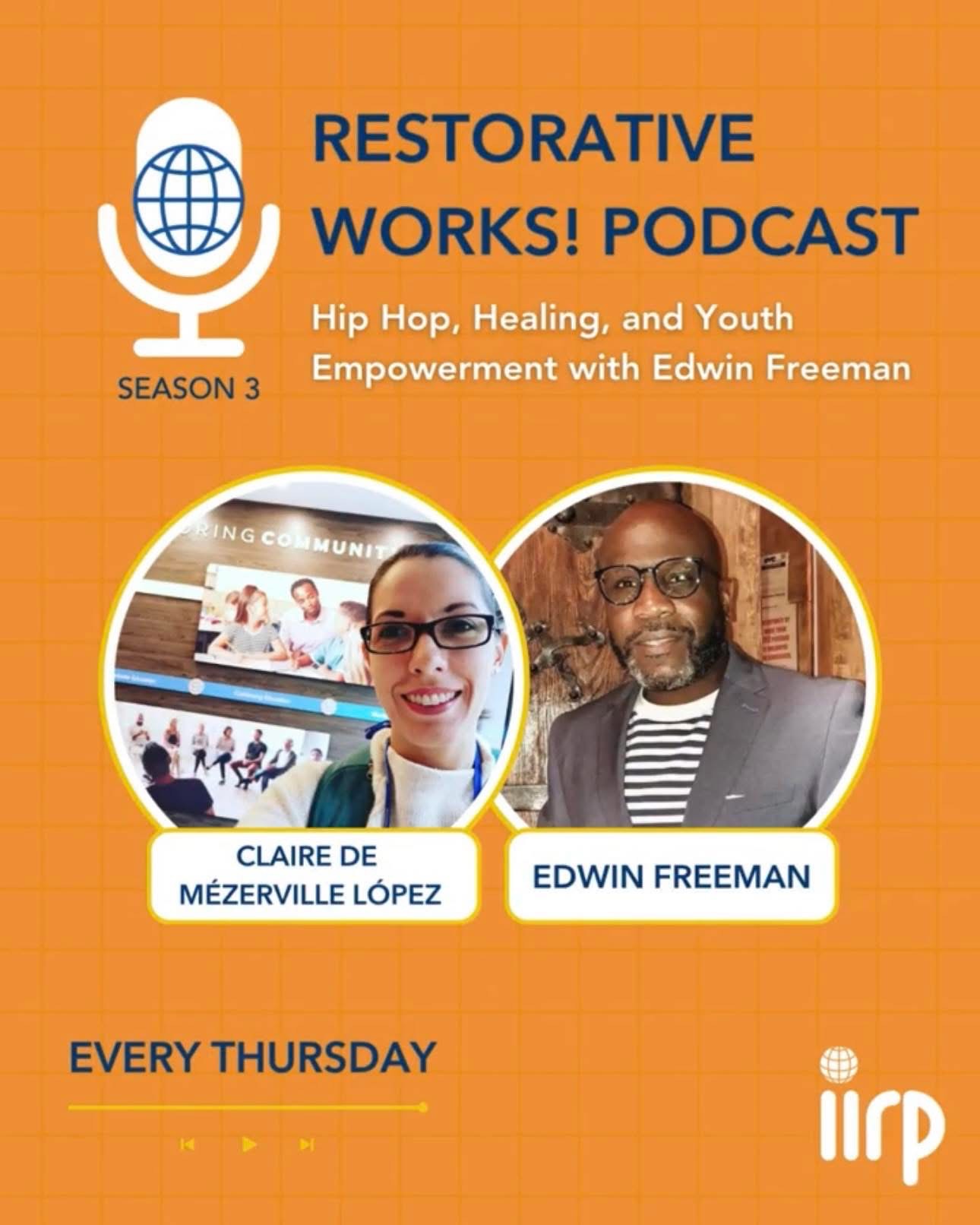
The episode explores a powerful question: What happens when hip hop culture meets restorative practices in the classroom? Freeman provides compelling answers through his innovative approach to social-emotional learning and conflict resolution in educational settings.
As President of The Freeman Foundation for the Arts, Freeman developed Hip Hop Harmony, a pioneering social-emotional learning program rooted in hip hop’s four foundational elements: rap, dance, art, and self-knowledge. The program represents a radical departure from traditional disciplinary approaches by blending restorative practices with hip hop culture to create spaces where students feel genuinely seen, heard, respected, and accepted.
“Instead of punishment, students address conflict through rap battles, dance, art, and dialogue,” Freeman explains in the podcast. This approach not only resolves conflicts but strengthens students’ sense of belonging and develops critical leadership skills that extend far beyond the classroom.
Currently operating in New York City high schools, Hip Hop Harmony has earned impressive endorsements from the New York City Offices of the Mayor, State Senator, and City Council Speaker. The program is set to expand to elementary and middle schools next year, bringing Freeman’s vision to even younger students who can benefit from early exposure to restorative practices.
Freeman’s entertainment credentials are equally impressive. His acting credits include the blockbuster film Notorious and Netflix’s Marvel’s Luke Cage. As an independent filmmaker, he has produced and directed critically acclaimed documentaries including Modern Day Slavery: From Plantations to Prisons and Beats & Lyrics: The Essence of Rap. This unique combination of artistic achievement and educational innovation positions Freeman as a bridge between entertainment and meaningful social change.
In the podcast, Freeman shares insights into how his curriculum equips students with restorative skills that travel with them beyond structured circle sessions—into hallways, friendships, and their broader communities. By validating hip hop culture as a legitimate educational framework, Freeman is helping urban youth develop the emotional intelligence and conflict resolution skills needed to navigate an increasingly complex world.
The episode is available on most major streaming platforms, including Apple Podcasts, Spotify, and iHeartRadio. Listeners can also access it directly through the IIRP Graduate School website at: Restorative Works! Podcast – IIRP Graduate School.
Freeman’s work demonstrates that when educators meet young people where they are—culturally, artistically, and emotionally—transformative learning becomes possible. Hip Hop Harmony is not just changing how urban schools address discipline; it’s reimagining what education can be when it centers student voice, culture, and community.