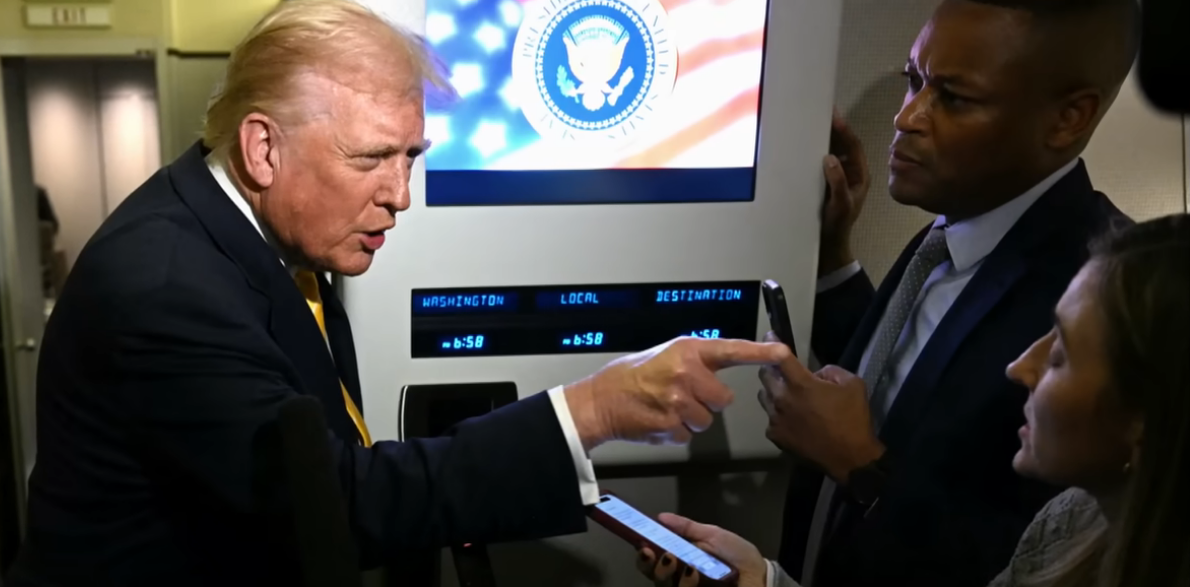
The Gulf of Mexico Name Change has sparked heated debates across political and international circles. Recently, Google Maps renamed the Gulf of Mexico to the “Gulf of America” for U.S. users, following an executive order signed by former U.S. President Donald Trump. This move has been met with mixed reactions, with supporters calling it a patriotic decision and critics labeling it an unnecessary alteration of a well-established geographical name.
Google’s decision to update the name reflects its policy of following official government sources for regional naming conventions. However, the change is not globally recognized, and in other countries, the body of water is still labeled as the Gulf of Mexico.
This article explores the history, significance, and implications of the renaming, along with the political reactions from both the United States and Mexico.
The Gulf of Mexico and Its Importance : Why it’s Name Change to Gulf of America is not Acceptable to Many
The Gulf of Mexico is a large ocean basin bordered by the United States, Mexico, and Cuba. It plays a crucial role in the region’s economy, trade, and ecosystem. Some key facts about the Gulf include:
- Economic Importance: The Gulf hosts major shipping routes and contributes to the economies of the bordering nations.
- Oil and Gas Reserves: It is one of the largest oil-producing regions in the world, with extensive offshore drilling operations.
- Marine Biodiversity: The Gulf is home to a diverse range of marine life, supporting the fishing industry.
- Historical Recognition: The name Gulf of Mexico has been internationally accepted for centuries, dating back to Spanish colonial times.
The renaming of such a strategically significant body of water has diplomatic and economic implications, leading to concerns from Mexico and the international community.
The Gulf of Mexico Name Change: What Happened?
Timeline of Events:
- January 20, 2025: Former U.S. President Donald Trump signs an executive order titled “Restoring Names That Honor American Greatness,” directing federal agencies to rename the Gulf of Mexico as the Gulf of America in all official U.S. documents.
- February 2025: Google Maps updates its U.S. version to reflect the new name. However, in Mexico and other countries, the name remains “Gulf of Mexico” or appears as “Gulf of Mexico (Gulf of America)”.
Google’s Role in the Name Change To Gulf Of America
Google follows governmental sources when updating place names. Since the U.S. Geographic Names Information System (GNIS) officially adopted the change, Google updated its maps accordingly.
However, Google has not universally applied the name and displays different variations based on location.
Political and Public Reactions To Gulf Of Mexico Name Change
U.S. Perspective
- Supporters of the change, including conservative political groups, argue that “Gulf of America” better reflects U.S. dominance in the region.
- Some view it as a patriotic move, asserting U.S. control over strategic waters.
- Opponents, including environmental and historical organizations, argue that the change ignores historical context and complicates international relations.
Donald Trump defended the decision, stating:
“For too long, we have used names that do not reflect the greatness of America. The Gulf of America belongs to this nation and its people.”
Mexico’s Reaction
The Mexican government strongly opposed the renaming. President Claudia Sheinbaum issued a formal statement:
“The Gulf of Mexico is an international body of water, and no country has the right to change its name unilaterally”
Mexico’s Foreign Ministry also filed a diplomatic complaint with the United Nations, urging international organizations to reject the name change. Mexican lawmakers have accused the U.S. of territorial overreach, emphasizing that the Gulf is shared by multiple nations and cannot be claimed exclusively by the United States.
Global and Social Media Reactions
The Gulf of Mexico Name Change quickly became a trending topic across Twitter, Reddit, and Facebook, with users divided over the decision:
- Supporters used hashtags like #GulfOfAmerica and praised the move as “taking back American heritage.”
- Critics used hashtags like #ItsGulfOfMexico and accused Google of bowing to political pressure.
- Memes and satire flooded social media, with users joking that “next, America will rename the Atlantic Ocean.”
Some global leaders also weighed in on the controversy. Canadian Prime Minister Justin Trudeau called the renaming “unnecessary and divisive,” while the European Union criticized it as a “political maneuver rather than a geographical correction.”
Google’s Role and Naming Policy
Google’s Official Statement
In response to the backlash, Google issued a statement:
“Google Maps follows the official names provided by government sources in each region. In the United States, the Gulf of America is the designated name as per recent governmental updates. However, we acknowledge the name’s historical significance and will continue to display variations based on user location.”
Previous Controversial Map Name Changes
Google has faced criticism in the past for similar politically sensitive changes, including:
- Renaming Palestinian territories on its maps, causing diplomatic tensions.
- Displaying Crimea as Russian territory for Russian users while keeping it part of Ukraine elsewhere.
- Changing the Persian Gulf to the Arabian Gulf for users in certain Middle Eastern countries.
These incidents highlight Google’s approach to political naming disputes, often aligning with official regional government sources.
Implications of the Renaming
The Gulf of Mexico Name Change raises several long-term concerns:
- Diplomatic Strains: Mexico and other nations may push for global rejection of the new name, affecting U.S.-Mexico relations.
- Geopolitical Precedent: If Google Maps alters major geographical names based on politics, other nations may demand similar changes.
- Legal Disputes: International bodies like the United Nations and maritime organizations could intervene to prevent unilateral renaming.
- Educational and Historical Impact: Schools, textbooks, and maps may have to adjust to the new name in the U.S., creating confusion.
As of now, the Gulf of America name change remains limited to U.S. users on Google Maps, with most of the world still recognizing the Gulf of Mexico. However, the controversy is far from over.
The Gulf of Mexico Name Change is more than a map update—it is a symbol of geopolitical power struggles. Whether the name sticks or fades into history remains to be seen, but one thing is clear: the debate over who controls geographical narratives is far from settled.