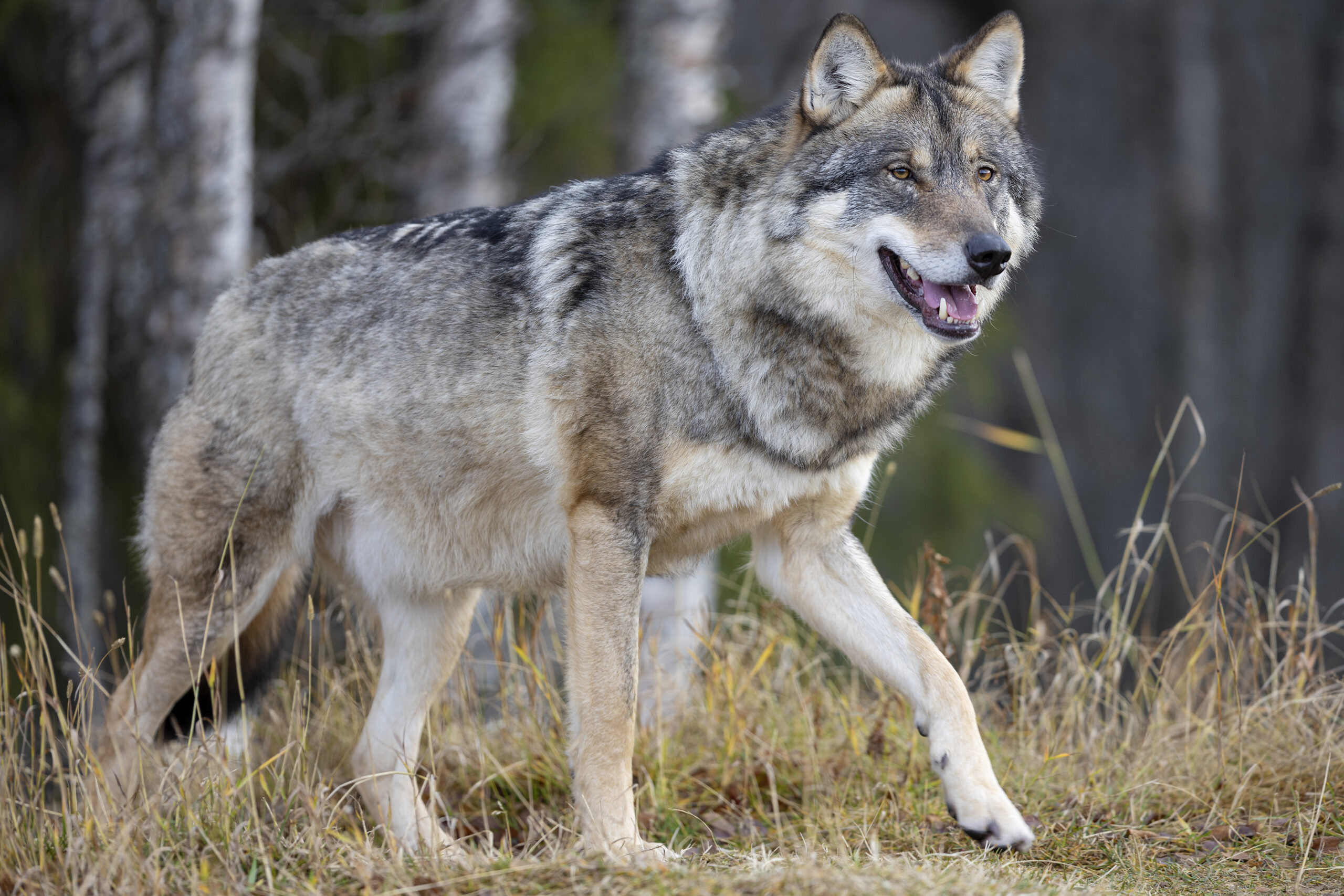
Once widely distributed species within California, the grey wolf (Canis lupus) completely disappeared from California by the 1920s Gray Wolf Conservation in California, mainly due to loss of habitat and brutal persecution, making their wolves a sad absence in predator-prey relations for many decades and altering the entire ecosystem.
At present, the reintroduction of packs is underway by wildlife managers and conservationists. Although their return is mostly welcome, fear is generated regarding possible losses to livestock and ways to control land Gray Wolf Conservation in California, thus making balanced preservation of health in the ecology against human interest pivotal to sustainability through time.
The return of Forward Gray Wolves
The movements of OR-7 in 2011 introduced the first known sighting of a wolf in nearly a century. They have since found ranges in northern California, such as those of Lassen and Whaleback. Spreading further and further, their activity has been tracked keenly by DNA and GPS.
Wildlife biologists evaluate habitat use, diet, and behavioral activity, all of which finally lead to the development of well-supported management plans. Their rise is an indicator of the recolonization of their original range at a steady rate.
Also read: Dust Storms in New Mexico & Texas: Causes, Effects & Safety Tips
Ecological Value
Gray wolves are a keystone species that structure ecosystems by population control of their prey species. It enables the forests and grasslands to flourish because less grazing is conducted by deer and elk since gray wolves suppress them.
Wolves control populations of coyotes to the benefit of lesser predators, such as bobcats and foxes. Behavior modification on prey in the food chain creates diversity and a stronger food chain while enhancing regrowth in the habitat.
Challenges in Wolf Reintroduction
Despite the environmental benefits, wolf reintroduction, however, is not without its challenges. Loss in income to ranchers came from the sheep being killed and injured by wolves, although such instances occurred less frequently.
Conservationist groups advocate that confrontation would be best averted through non-lethal means:
Guardian Dogs: Secure farm animals to keep them away from wolves’ attacks.
Strong Fencing: Prevents wolves from making their way into livestock fields.
Adaptive Grazing Practices: Promotes proper management of herds.
There are still beliefs held by the public regarding wolves. There is a fear of direct attack, even if studies prove wolf aggression toward humans to be highly improbable, but education becomes critical to public influence and coexistence.
Legal Protections and Conservation Programs
Gray wolves accrue legal protection against harm and killing in California by the application of the California Endangered Species Act, and hence, active population field studies are conducted by wildlife agencies, releasing conservation programs.
Consists of organizations conserving wolves: California Wolf Center. They protect wolves through outreach programs with scientific research. Joint efforts of conservationists and ranchers have reduced conflicts while conserving responsible land use.
Financial compensation schemes also aid ranchers who suffer livestock losses due to wolves. It constitutes the fairest means of coexisting while promoting agriculture itself.
Holding Conservation and Human Interests
Finding this equilibrium proves difficult but can be achieved with a wise forethought plan; policies that take into account the science, public debate, and adaptive management will benefit those who wish to protect wolves and rural communities.
Wild prey population increases when the distribution habitat of wolves spreads, thus decreasing livestock predation. Therefore, changes in population dynamics can be valuable tools for encouraging peaceful coexistence.
Awareness of the public also enhances conservation. This will bury the myths concerning wolf behavior while embracing humane management support.
Also read: Atkinson County First Responders for Certified in Child Car Seat Safety
Conclusion
Future of Wolves in California
Reintroduction of the gray wolf is both a conservation achievement and a management challenge. Ecological role is not under debate, but grazing damage to livestock remains the major challenge.
Education and science, together with intelligent policies, can thus create an enabling environment for coexistence. California wolves’ future very much lies in the hands of cooperation, flexible tactics, and incessant conversations among conservationists and residents.