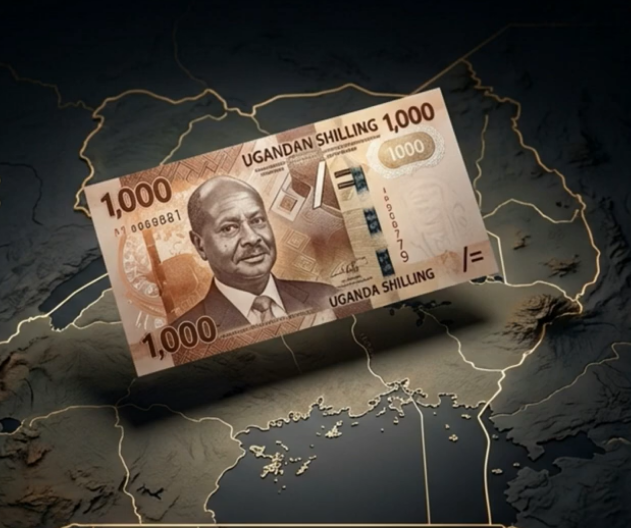
An emergency Bank of Uganda (BoU) meeting on October 14 for a session as the Ugandan currency—the Shilling—hit a 33-year-low to raise the Central Bank Rate (CBR) saving the legal tender from plunging further “is not the strongest protection” after all. “The strongest protection is not just raising interest rates or special windows for dollars (this is majorly to stop the bleeding). It is building an economy that sells more than it buys from the rest of the world—year after year. That is what gives lasting strength to the shilling and to people’s livelihoods,” local investor and agriculturalist, Morrison Rwakakamba, argued on October 14. CBR is a policy interest rate which BoU sets to influence pricing of loans to individuals and businesses, including mortgages, treasury bills and bonds, as well as lending between banks. Ultimately, changes in the CBR affect the cost of borrowing and the return on savings.
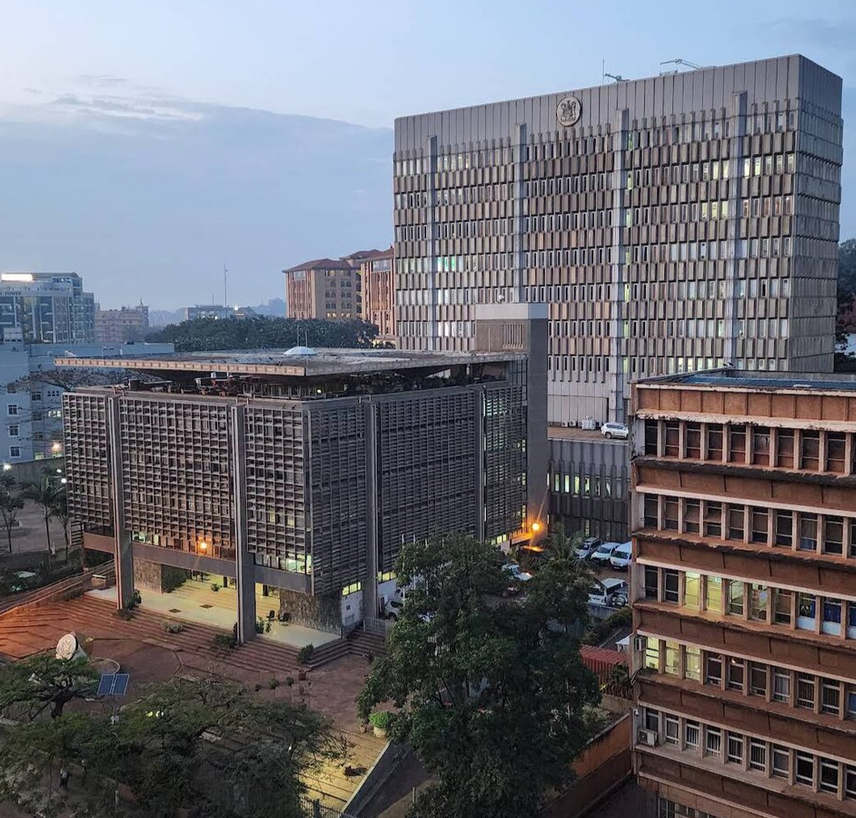
In its Monetary Policy Statement for October 2026, released on October 14, BoU raised the CBR from 9.75% to 12.0% after a special Monetary Policy Committee meeting on 14 October 2026. According to BoU, the decision aims to contain rising inflation risks driven by higher fuel prices and exchange rate pressures, while safeguarding price stability. The Bank also raised the Cash Reserve Requirement (CRR) from 11.0% to 13.5%, effective September 24, 2026, to manage excess liquidity in the banking system and strengthen monetary policy effectiveness, BoU said on October 14.
The Central Bank is doing what it can do to stabilize the shilling by reducing the amount of money “you are using to ‘chase’ the available USD”, says local economist, Dr Patrick Wakida. “The only instrument that BoU has now to reduce the liquidity is to raise the Central Bank Rate from 9.75% to 12%. It is a double sword but we are hoping that within the next 3 months, we shall have stabilized the problem,” Dr Wakida, submitted on October 15: “With the CBR at 12%, we expect that those offshore traders who had shifted their money to the US are going to come back to make money out of the shilling. We expect that within 3-4 months; our oil which takes about USD180 million will have started to come so we shall not need to spend on buying oils. If we took USD 500 million and put it in this economy, people will use that money to go to China to buy Christmas things and that doesn’t help the economy.”
The Shilling simultaneously gained 2% following the Central Bank’s intervention. It was widely reported that more than $200 million had left the local bond market as investors chased higher US yields. The Shilling weakened about 12% since 2026 dawned.
Uganda discovered oil deposits in June 2006, but the deadline for its eventual commercial production has been sliding and rolling uncontrollably since then.
Says Dr Wakida: “If you have a loan in a Commercial Bank, you are going to pay more…If you have been paying at 15%, you have to add 2.5%—this automatically applies to individual loans (not fixed loans) —it is immediate. This is going to reduce the amount of money available for you to buy a dollar so you reduce pressure on the dollar. As much as it creates a problem for borrowers to pay more, the objective is short run.”
And yet again; “Raising the share of deposits, banks must lock up at the central bank (from 11 percent to 13.5 percent in late September) has not stopped the shilling slide. Further squeezing liquidity is unlikely to work. It mainly reduces the money banks have available to lend, pushing up borrowing costs and slowing private-sector activity at a time when credit is already expensive,” worries Rwakakamba. Within the existing liberalised foreign-exchange framework, Rwakakamba expounds, a better approach is open to a dedicated window for essential energy imports, introduce temporary rules against rapid foreign-currency deposit hoarding, correct timing gaps in customs valuation and selectively raise Treasury Bond yields so that local bonds again offer an attractive return relative to United States yields—without threatening debt sustainability. “Holding reserves steady while taking these steps can slow the rush for dollars, bring portfolio investors back and support stability,” Rwakakamba says.
According to Rwakakamba, “[The] bottom line [is] Uganda must earn more dollars than it spends, year after year. In simple words, Uganda needs to earn more dollars than it spends, year after year. That is the real foundation of a strong economy. Think of Uganda’s money dealings with the rest of the world like a family budget. The current account is like your household’s regular income and spending.”
Money comes in when Uganda sells coffee, fish, flowers or tourism services to foreigners, or when relatives abroad send money home, according to Rwakakamba: “Money goes out when we buy fuel, cars, phones, medicine, machinery or other goods from abroad. A current surplus means Uganda earns more dollars from what it sells and receives than it spends on what it buys. A deficit means the opposite—we spend more dollars than we earn. If coffee farmers and exporters bring in more dollars than fuel importers take out and diaspora Ugandans keep sending money home, Uganda can have a surplus. That is healthy and sustainable.”
The capital account and financial account are like one-time or temporary money that comes in from outside, he says. This includes foreigners investing in factories or businesses in Uganda, government or companies borrowing money from abroad, foreigners buying Ugandan government bonds or shares plus aid and grants. This money can help for a while, but it can also leave quickly when interest rates rise elsewhere or investors get nervous. It is useful, but it is not as reliable as money Uganda earns by selling its own goods and services. Relying mainly on foreign loans, aid or hot money is like a family living on borrowed money and occasional gifts. It can work for some time, but when the lenders stop or the gifts reduce, the family struggles. A sustained current account surplus is like the family having a steady job and selling what it produces. The money is earned, not borrowed. That is more stable. Exporting more coffee, tea, fish, maize or processed goods brings more dollars in. Attracting more tourists means they spend dollars here. Reducing unnecessary imports—for example, importing less of what can be grown or made locally—keeps more dollars at home. Keeping remittances flowing from Ugandans abroad helps. “Eventually producing some of our own oil means we spend fewer dollars on fuel imports. When Uganda consistently earns more foreign money than it spends,” Rwakakamba submits, “the shilling becomes more stable, inflation is easier to control and the country is less vulnerable when global oil prices jump or foreign investors pull their money out.”
A one Bruce Mwine Kanaahe, however, parts BoU on the back for “a very bold attempt” because “the shilling has been falling mainly because we need a lot of dollars to pay for expensive fuel imports (global oil prices high from Middle East conflicts) and some foreign investors have been pulling money out.” That that makes everything cost more and risks higher inflation. “What should have been done is tighten rates more gradually earlier instead of a sudden 2.25% jump now that hurts loans for ordinary people and businesses.
“Longer term,” Mwine reasons, “getting our Ugandan Pearl Sweet oil production going properly would cut our reliance on imported fuel and ease the dollar pressure.” Uganda christened its oil on September 2 ‘Pearl Sweet Petroleum’; ostensibly because it is said to have low or no sulphur and therefore much easier to refine.