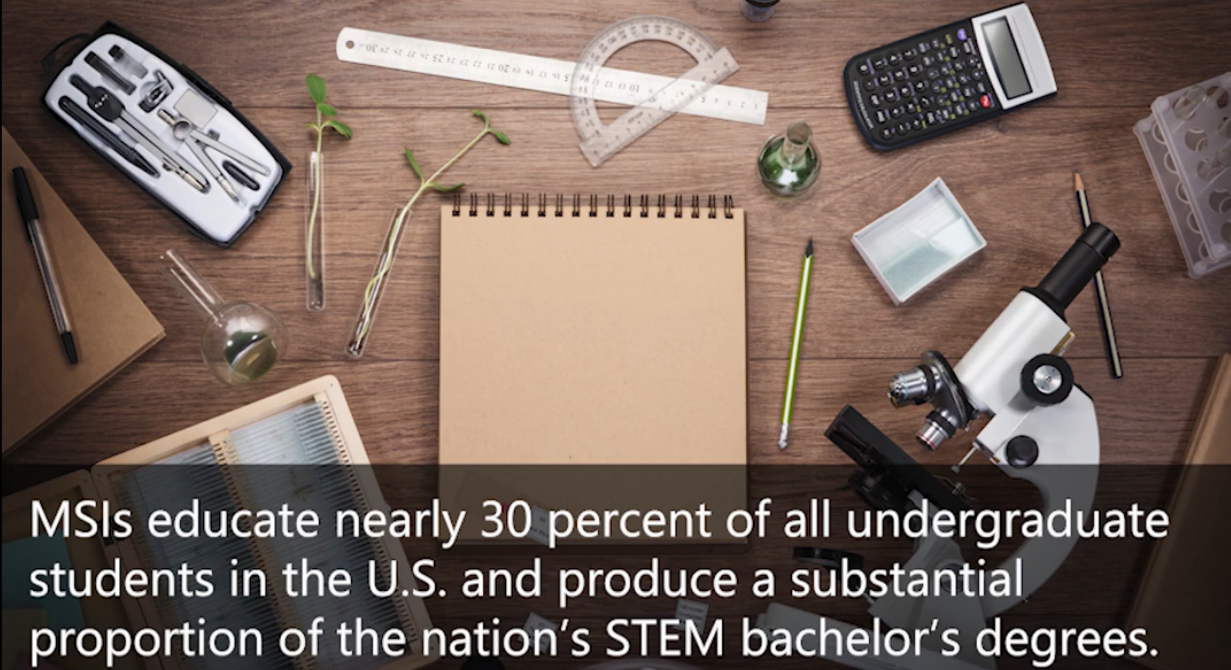
Quantum mechanics might sound like something from a science fiction film. You hear words like particles, waves, atoms, and energy, and it can all feel too big to understand. But at a Physics summer school, these ideas start to feel smaller, clearer, and more exciting. You don’t need to be a genius or a scientist to start learning. All you need is interest—and a bit of curiosity.
What Is Quantum Mechanics and Why Is It Different?
Quantum mechanics looks at the world in a way most people don’t. It doesn’t focus on things we can see, like cars or mountains. Instead, it looks at stuff that’s incredibly small—like atoms, electrons, or tiny flashes of light called photons. You can’t see them with your eyes. Not even with a normal microscope.
And down at that size, the rules we’re used to? They just stop working. Imagine something being in two places at once. Or popping in and out like it was never there. Or behaving like a wave and a solid object at the same time. It sounds made up, but this is real science. That’s why quantum mechanics feels so weird—and so cool. Here’s what you’ll probably go through at Physics summer school:
- Learning what atoms and particles are
- Hearing how quantum stuff doesn’t follow “normal” rules
- Watching videos or doing hands-on tasks to explore ideas
- Trying out simple experiments in class
- Seeing why scientists still find this topic exciting
It’s not just about facts. It’s about seeing the world from a new angle—and that feeling sticks with you.
Hands-On Learning: Doing More Than Listening
Physics summer schools don’t just teach with words. You also work with your hands. One day, you might try to build a simple laser setup to test how light behaves when it hits glass. Another day, you could use a computer simulation to see what happens when electrons move between energy levels.
These activities are fun because they let you try things for yourself. You see the effects of tiny particles without needing a lab filled with expensive tools. Sometimes, all you need is a light source, a mirror, and a dark room.
There’s also time for group work. You’ll be paired with other students to solve challenges. Maybe you’ll design an experiment or come up with a question to test. Talking with others helps you think in new ways. It’s not about getting every answer right. It’s about exploring ideas together. In some schools, students even give short talks at the end of the week. This might sound scary at first, but it helps you build confidence. Sharing what you’ve learned—no matter how small—feels rewarding.
Meeting Real Scientists and Asking Questions
One cool part of physics summer programmes is meeting people who actually study physics for a living. Some are university teachers, others are researchers, or working on their PhDs. They’ve been doing this for years, figuring out how tiny things in the universe behave.
You’ll also get a peek at what science looks like today, not just what’s in old textbooks. You might hear things like:
- How quantum physics helps with building faster computers
- How it’s used to make internet communication more private
- What scientists are still trying to figure out
- Why quantum stuff still feels weird, even for experts
- And how all this connects to the real world, not just labs
This is when it clicks that science isn’t locked in a classroom. It’s real, ongoing, and kind of everywhere once you start looking.
Why This Experience Stays With You
After a week of lessons, experiments, and new friendships, something starts to happen. The big, scary idea of “quantum physics” begins to feel less scary. You might not understand everything, and that’s okay. But you walk away with a new way of looking at the world.
You start seeing how everything connects. A rainbow in the sky? That’s light bending and splitting. A phone in your pocket? It works thanks to tiny circuits built with quantum ideas. What once seemed strange now feels closer to everyday life.
Also, spending time with others who enjoy science makes a big difference. It shows you that you’re not the only one who wants to ask questions or figure things out. You might even stay in touch with some classmates after school ends.
Some students who join physics summer programmes later study physics at university. Others take what they’ve learned and use it in fields like engineering, coding, or even medicine. But no matter what path they take, many say this experience helped them think in a new way.
How to Prepare and What to Expect
You don’t need to read a science textbook before you go. Physics summer schools don’t expect you to know everything. Most of them are fine with beginners. If you like puzzles, enjoy small experiments, or keep asking “why” about the world, you’re probably in the right place. It also helps to keep an open mind. Quantum physics doesn’t always make sense in the usual way. It’s more about getting used to ideas that feel odd at first.
You’ll probably stay in dorms, sharing space with students your age. Classes can happen in science labs or regular rooms. Afternoons? There’s usually some free time. You can hang out, go for a walk, play games, or just sit with new friends. Most people eat meals together, which is where real chats happen.
So, what should you bring?
- A notebook. You’ll want to jot things down.
- A calculator. Maybe not for everyone, but still handy.
- A curious mind. This might be the most useful thing you take.
- Comfortable shoes. Seriously—there’s often walking or outdoor stuff.
- Questions. As many as you’ve got. That’s what this whole thing is for.
Quantum mechanics isn’t just for adults in white coats. It’s for anyone who wonders how the world works. And at a summer physics course, you get the chance to explore those questions in a fun and welcoming space.