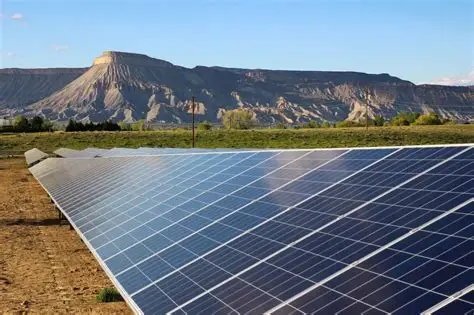
The Environmental Protection Agency (EPA) has shut down the $7 billion Solar For All program. The program aimed to bring affordable solar energy to low-income households across the country. Officials originally called it a historic climate investment. It would’ve brought rooftop solar, community solar and energy bill relief to struggling families.
Program designers wanted rapid adoption, job growth and emissions cuts. They wanted to combine clean energy growth with social equity. But political opposition, legal challenges and administrative concerns changed the plan’s trajectory. The decision to end the program has sparked reactions from politicians, industry leaders and community advocates. Some praised fiscal responsibility while others called it a climate disaster.
Political Pressure Behind the Decision
Congress approved the $7 billion Solar For All fund as part of a larger climate investment package. The grants went to underserved areas where solar adoption was low due to high upfront costs. The EPA would’ve partnered with states, tribes and nonprofits to roll out the projects quickly.
Critics within the administration raised concerns about execution speed and oversight gaps. They worried about a rushed deployment leading to mismanagement or waste.
Republican leaders emphasized fiscal restraint and questioned the EPA’s authority to manage such a large fund. They said the program would balloon costs without measurable benefits. Meanwhile, some states sued the agency over its right to manage direct infrastructure grants. With both pressures mounting, the EPA decided to pull the funding before courts could block the program through injunctions.
Impact on Community Solar and Low-Income Households
Solar For All was supposed to reduce energy bills for low-income residents through upfront subsidies. These funds would’ve covered a big chunk of installation costs. Ending the program abruptly leaves many projects in limbo. Developers who counted on the grants now have financing gaps.
Community solar projects feel the biggest hit. Without the grants many can’t get bank loans for construction. Smaller developers, especially in rural or urban areas, will cancel entire pipelines.
Families expecting rooftop installations will now face delays or cancellations. Some will even incur penalties for backing out of signed agreements. Advocates say this will erode public trust in clean energy programs. Without consistent funding, vulnerable communities will be stuck with high utility bills and limited renewable access.
Solar Industry’s Economic Concerns
The solar industry is reeling from the EPA’s announcement. The Solar Energy Industries Association slammed the move, saying it sends a cold shoulder to investors. Industry leaders argued the program was the only demand that justified expanding US manufacturing capacity.
Big installers are now uncertain about near-term sales. Many planned hiring sprees to meet project demand, funded by grants. Those expansions may now stall. Manufacturers expecting steady orders may reduce production or lay off workers.
Without a big federal program as an anchor, many lenders will tighten credit terms. This could slow project development even in middle-income markets. Supply chains will contract as wholesalers see declining orders. The loss of federal stability has the sector bracing for a wild ride ahead.
Ripple Effects Across Markets
$7 billion pulled from the solar market sent shockwaves through related industries. Panel manufacturers need to manage oversupply.
Distributors, electricians and construction suppliers will see reduced demand.
Financiers will re-evaluate lending standards for solar projects. Without a federal safety net, perceived risk goes up. That means higher interest rates or no investment at all. Energy economists warn the slowdown will ripple into training programs and workforce development. A sudden policy change shows how dependent emerging industries are on stable federal commitments.
Public Perception and Trust Issues
Solar For All has undermined public trust in government-led renewable initiatives. Many residents who applied for grants feel misled. They invested time and resources into applications, thinking they had a reliable safety net.
Community leaders warn that this betrayal will reduce participation in future programs. If people feel funding will disappear mid-process, they’ll avoid signing up. That will slow down renewable adoption rates, especially in low-income neighborhoods.
Environmental groups will launch outreach campaigns to keep the public’s interest. They’ll push residents to state and non-profit resources. But those efforts can’t match the reach or impact of a federal program. Restoring trust will require consistent policy signals and follow-through on promised benefits.
Future Models for Solar Equity
The Solar For All setback forces us to talk about more resilient funding models. Experts say we need permanent, bipartisan frameworks for clean energy access. They suggest embedding funding into broader utility reform rather than short-term grants.
Public-private partnerships will play a bigger role. Those combine private capital with community goals.
Long-term, we need diversified funding sources to weather political shifts. Solar equity depends on predictable support so developers can plan multi-year projects. Without stability, low-income households are at the mercy of political cycles. The conversation now turns to building a climate funding architecture that’s immune to sudden reversals.
Broader Climate Policy Implications
This is a shift in federal climate policy priorities. The administration is prioritizing cost-cutting over green programs. Other agencies with renewable programs will take notice.
International partners are watching. The US’s retreat from big solar grants will hurt global leadership credibility. Climate negotiations often hinge on perceived commitment to domestic clean energy. Weak signals at home can undermine pressure on other countries.
Domestically, states will have more control over renewable adoption. Without a federal driver, local policy will be the growth engine. This decentralization could be an innovation, but also inconsistent progress nationwide. Climate advocates fear the national pace of carbon reduction targets will slow.
Conclusion
The EPA’s killing of the $7 billion Solar For All program is a defining moment in US clean energy policy. What began as a landmark program to marry renewable growth with social equity ended in political conflict, legal disputes and administrative caution.
Communities, states and industry now have to fill the gap. Some will innovate and find new funding, others will lose years of progress. Trust in federal renewable programs has been damaged and will take time to recover.