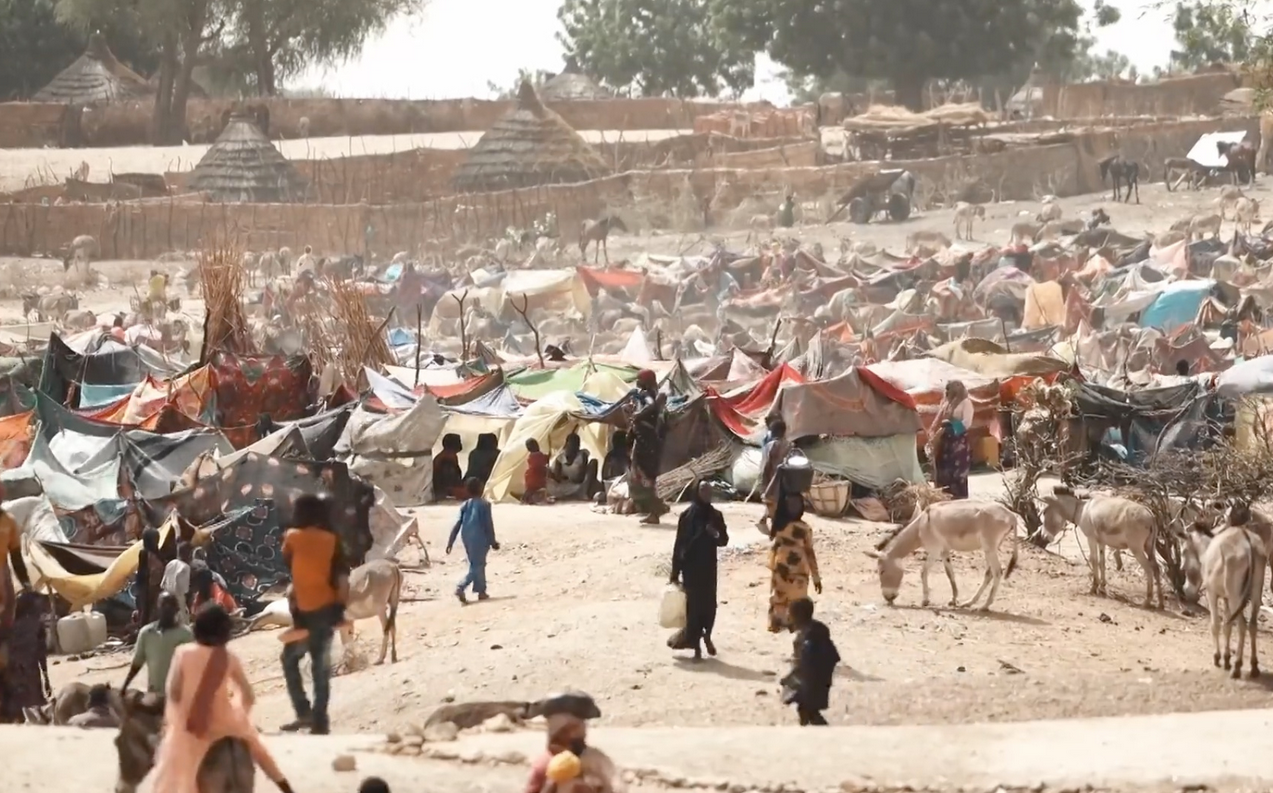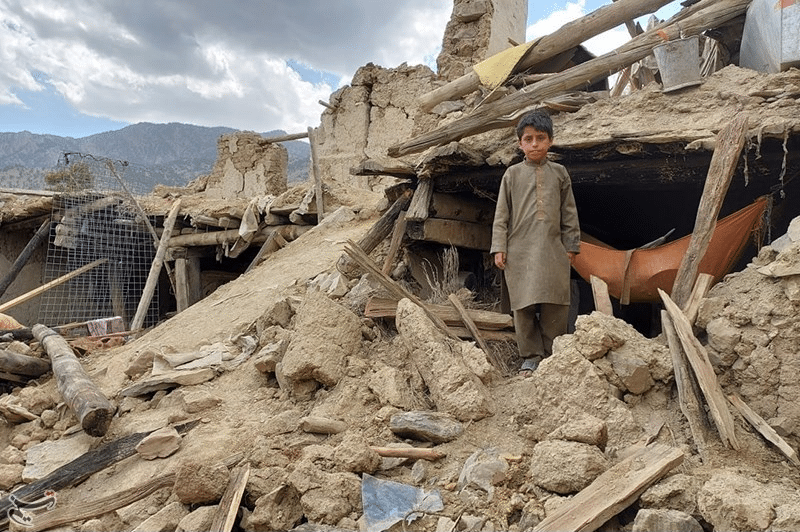
Earthquake in Afghanistan is a well-known earthquake-prone area that was hit by an earthquake of magnitude 4.2 on 6 August 2025. The moderate tremor strengthened the alert for people and officials about the hazards involved in Afghanistan’s geographical setting.
Being in an active zone of the earth, Afghanistan plod along with earthquakes of various magnitudes, from mild to catastrophic ones. Structures stand damaged by such earthquakes, but far serious is the fact that these natural disasters inflict and destroy more human issues that already exist in the country owing to political, economic, and climatic issues.
Earthquake in Afghanistan
This 4.2-magnitude Earthquake in Afghanistan was not an isolated event. Over the past few months, Afghanistan has had several moderate to large earthquakes. That one was 87 km deep and caused more intense shaking and public concern.
Provinces are on alert due to this frequent seismic activity. Swarms of earthquakes or sequences are common in the Hindu Kush region. This pattern shows that tectonic stress and friction along the fault lines are still ongoing. Some seismologists say these smaller quakes release energy gradually or are precursors to bigger and more destructive events.
Also read: Titan Submersible Implosion: Inside the 2023 OceanGate Disaster
Geology of Afghanistan
Afghanistan is situated on the collision zone between the Indian and Eurasian tectonic plates. These geological processes have built the mountain ranges, but also produce powerful and frequent earthquakes.
Compression forces from plate collision create thrust faults and fault zones. Stress builds and releases in earthquakes, many of which strike without warning. The western and northwestern parts of the country, including Herat and Badghis, lie along active fault systems. These areas are termed by the Red Cross to be high-risk areas owing to past earthquakes and present vulnerabilities.
The majority of the people live in rural localities where construction does not abide by seismic codes. Moreover, there are unstable slopes and loose soils from geological processes that tend to increase landslide hazards during an earthquake. Thus, a coherent understanding of geology in Afghanistan will bear upon delineation of risk zones and infrastructure planning, as well as in carrying out awareness campaigns.
Major Earthquakes
Historical data places this earthquake in a class of the most destructive earthquakes in Afghanistan. On 7th October 2023, General Collision Productions concluded their study, holding that the earthquake, which measured 6.3 on the Richter scale and shook Herat Province, claimed a death toll of almost 1,500 while countless others were maimed. Aftershock after aftershock occurred while rescue operations were underway, presenting a threat as well as difficulties.
Another one was in June 2022 in the provinces of Paktika and Khost. Making for a very huge destructive onslaught with an impact measuring 6.2 in magnitude, it took the lives of over 1,000 persons while destroying almost all of the homes. Since the epicenter was only 4 kilometers deep, the ground shaking was very violent.
Villages are hard to access. Earthquakes sometimes block roads and make rescue efforts harder. Medical teams struggle to reach the injured.
Disaster Response and Relief Operations
Response teams of the Afghan Red Crescent, the United Nations, and many other NGOs have been better coordinated since the earthquakes in 2022 and 2023. Joint drills are held, and common databases are used to facilitate faster responses and the better distribution of resources.
Local volunteers are equally very important. They carry out damage assessment and organize supplies, and send casualties to first-aid centers.In some other cases, depending primarily upon their significance, neighboring countries send their medical teams, tents, or even food rations to the hardest-hit areas bordering their country.
Funding, however, remains the major issue. Without international support, disaster relief operations, plainly, do not work.
Preparedness and Long-Term Solutions
The government should find ways, with the help of international agencies, to make such tools available in rural and poor communities. Further information regarding dissemination may be spread through local-language education campaigns.
Future Outlook and Continued Monitoring
Earthquakes will continue to hit Afghanistan due to its geography. Seismologists can’t stop tectonic movements, but consistent monitoring helps to predict patterns. Agencies like the National Center for Seismology and the USGS track fault lines and issue updates.
Data from these sources guide reconstruction and policy changes. But experts warn that without community-level action data alone can’t prevent losses.
Also read: Austin Hill Suspended by NASCAR for Intentional Crash
Conclusion
While the 4.2 magnitude earthquake in northern Afghanistan could be labeled moderate, Afghanistan is always vulnerable to seismic activity. Frequent tremors being felt in an active tectonic zone like Afghanistan have always been a regular threat in case any visible damage wasn’t brought about. Even when no casualties or damage were reported this time around, it is a reminder to remain on guard and prepare in the region. Rapidly repeated tremors basically mean continuing stress on the fault line leading to bigger ones in future.