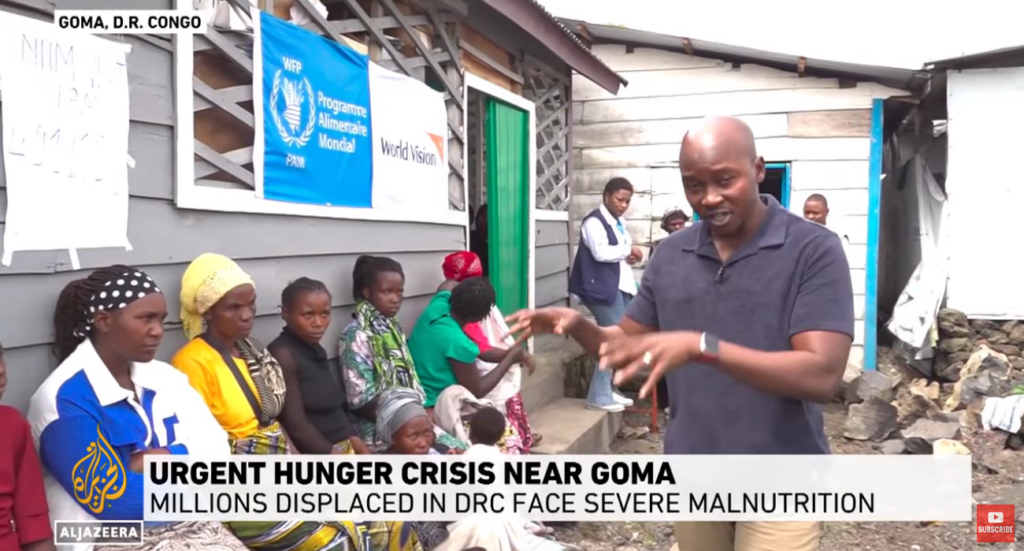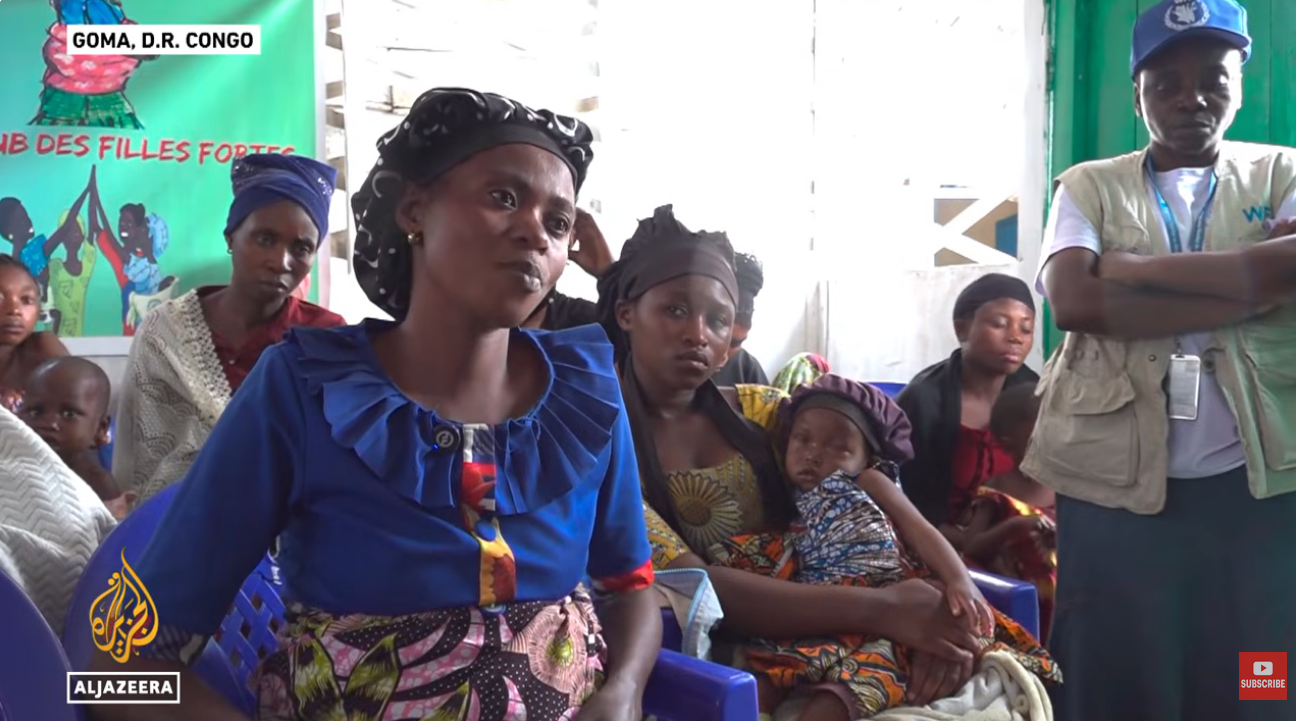
The DRC continues to confront a severe food security crisis due to persistent conflict in the east, widespread displacement, an expanding Ebola outbreak, economic shocks and the potential impacts of the El Niño weather pattern.
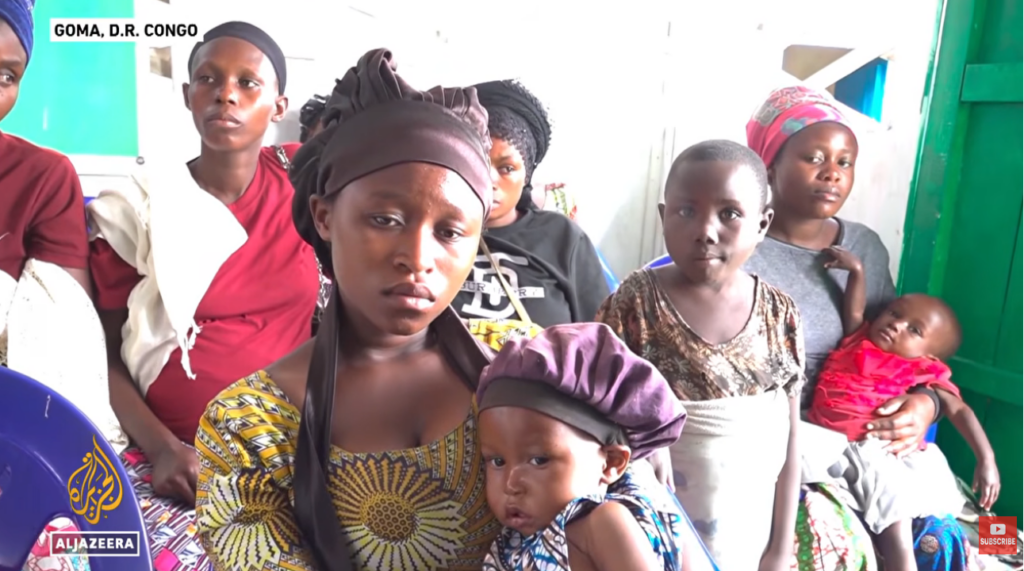
The IPC is a UN-backed platform that uses a five-phase scale to classify the severity of food insecurity, with level 5 being famine.
Read our UN News explainer here
High levels of hunger
Roughly 28.8 million people, or 23 per cent of the population analysed, are forecast to experience high levels of acute food insecurity (IPC Phase 3 or above) through December.
More than 3.6 million people, three per cent, are facing emergency conditions or IPC Phase 4.
The alert covers the period from September 2026 through next June and was published against the backdrop of the record Ebola outbreak that is about to enter a six month, with more than 10,000 cases as of this week.
The crisis first emerged in Ituri province in the volatile eastern region – where armed groups have terrorised the population for decades – and has now spread to eight provinces nationwide.
Deterioration in the east
“While the national proportion of the population in Phase 3 or above is only marginally higher than in the previous analysis, conditions have deteriorated more markedly in the northeastern and eastern provinces,” the alert said.
North Kivu, South Kivu and Ituri remain the hardest-hit provinces, with 10.4 million people in Phase 3 or above, while four territories within them – Djugu, Fizi, Shabunda and Walungu – are classified in Phase 4.
Among those most affected are displaced persons, returnees, refugees and poor households.
“In eastern DRC, conflict and violence continue to drive displacement, disrupt livelihoods and restrict access to food and markets,” the alert said.
“A rapidly expanding Ebola outbreak, recurrent disease epidemics, rising food and fuel prices, and the impacts of floods and other climate shocks are compounding vulnerabilities,” leaving millions of people with only limited means to guard against hunger.
Conditions set to worsen
The IPC expects food security to worsen slightly from January to June. Some 30.3 million people are projected to face Phase 3 or above, including 4.2 million who are likely to face Phase 4.
The increase will be driven by continued conflict and displacement, the spread of Ebola, and the anticipated impacts of El Niño, including flooding that could disrupt agricultural production and market access.
Other factors include rising food, fuel and agricultural input prices, along with declining humanitarian assistance.