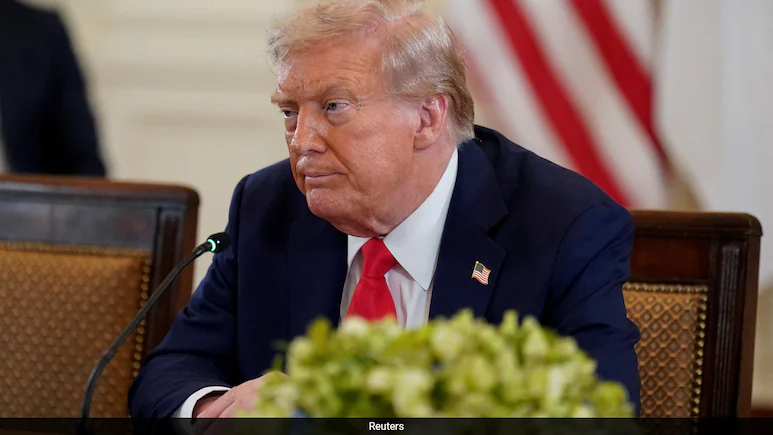
Donald Trump Health: At 79, Trump is still in the headlines and the public eye. His health is under scrutiny, partly because of his age and partly because he’s busy. He rarely sleeps more than 4-5 hours a night and still goes to rallies, meetings and golf outings. He doesn’t drink, never smoked and doesn’t exercise except for golf, which he plays from a cart. His lifestyle choices raise questions, but his stamina is undeniable.
In 2015, his doctor issued a glowing report saying Trump had “extraordinary strength and stamina”. Trump later admitted he dictated much of that letter. Critics mocked the language, but it became the foundation of his health narrative. Supporters still quote it as proof of his resilience. That claim of vitality now competes with new reports, photos and rumors.
Medical Exams and Public Disclosures
Walter Reed doctors examined Trump in January 2025. They said he was fit, with a healthy heart, good blood pressure and no signs of cognitive decline. The report listed his height at 6’2” and weight at 224 lbs. It also noted cataract surgery and a scar on his ear from the 2024 assassination attempt. Many were reassured, but some still questioned his overall durability.
Trump himself reinforces the image of strength. He says he works late, rises early and handles tough schedules. Vice President JD Vance echoed that view, saying he’s “incredible” and “the first to rise, last to bed”. Supporters loved that and saw it as proof he can lead at 79. Detractors still don’t believe it.
Bruises and the CVI Diagnosis
Concerns intensified when photos showed dark bruises on Trump’s right hand. Sometimes makeup covered them up, but on several occasions, the discoloration was visible. Critics speculated about hidden illnesses while reporters pressed the White House for answers. Officials said the bruises were from aspirin and handshakes. They said no serious illness existed.
In July 2025, the administration announced that Trump had chronic venous insufficiency (CVI). This condition affects blood circulation and causes swelling and bruising in older adults. Doctors said CVI is common and usually mild. They ruled out more serious conditions like arterial disease or heart failure. Trump’s doctor said the bruises were from soft tissue irritation, not nerve damage or systemic disease.
Public Reaction and Speculation
Despite the medical explanation, the public speculation didn’t go away. Media outlets showed photos of Trump’s bruises, swelling and makeup. International publications framed it as part of the aging process, while political commentators came up with more dire theories. Social media users created viral posts comparing Trump’s hands before and after the bruises appeared.
Supporters said the focus on bruises was political theater. They pointed out that many seniors go through the same thing. Critics saw the bruises as symbolic and used them to question Trump’s stamina. Democrats amplified those images to challenge his leadership. Some Republicans quietly considered succession scenarios, and it fueled talk of internal competition. One strategist even called it a “MAGA Hunger Games,” hinting at potential GOP infighting if Trump stumbles.
Expert Opinions on Bruising
Medical experts warn. They say bruises on older people come from fragile blood vessels and too much aspirin. They say it doesn’t mean serious illness. Vascular medicine specialists confirm CVI explains Trump’s symptoms. They say to rely on medical exams, not photos.
Still images have power. Experts say we need context, but the public doesn’t follow medical logic. Instead, rumors thrive, fueled by the contrast between Trump’s energetic persona and age-related marks.
Age, Leadership and Expectations
At 80, Trump joins the long list of older leaders who get scrutinized. Age magnifies small things, whether bruises, slower movements or visible fatigue. Every stumble gets blown out of proportion. But age doesn’t automatically mean incapacity. Trump’s late nights, long rallies, and travel show resilience.
The challenge is to balance reality with perception. Supporters see him as a fighter who thrives despite age. Critics highlight the risks of senior leadership, point to moments of physical decline. For voters, it’s about trust, not just medical facts.
Conclusion
Donald Trump is one of the most-watched people in the world. His health is both strong and weak. Doctors say he has chronic venous insufficiency, a common and mild condition. Bruises, aspirin and fragile blood vessels explain the marks on his hand. But the speculation continues, driven by age, politics and pictures.
Supporters see resilience, citing his energy, rallies and daily schedule. Critics see bruises, makeup and gaps in transparency. JD Vance adds to the tension, reassuring while signaling he’s ready. Trump controls the narrative by being confident and managing appearances.
In the end, it’s not about medicine, it’s about politics. Trump’s health is not just about diagnoses but about perception, trust and image. At 79, he’s still projecting strength, but the questions will continue. His legacy and leadership now depend as much on the public’s perception of his strength as on his medical record.