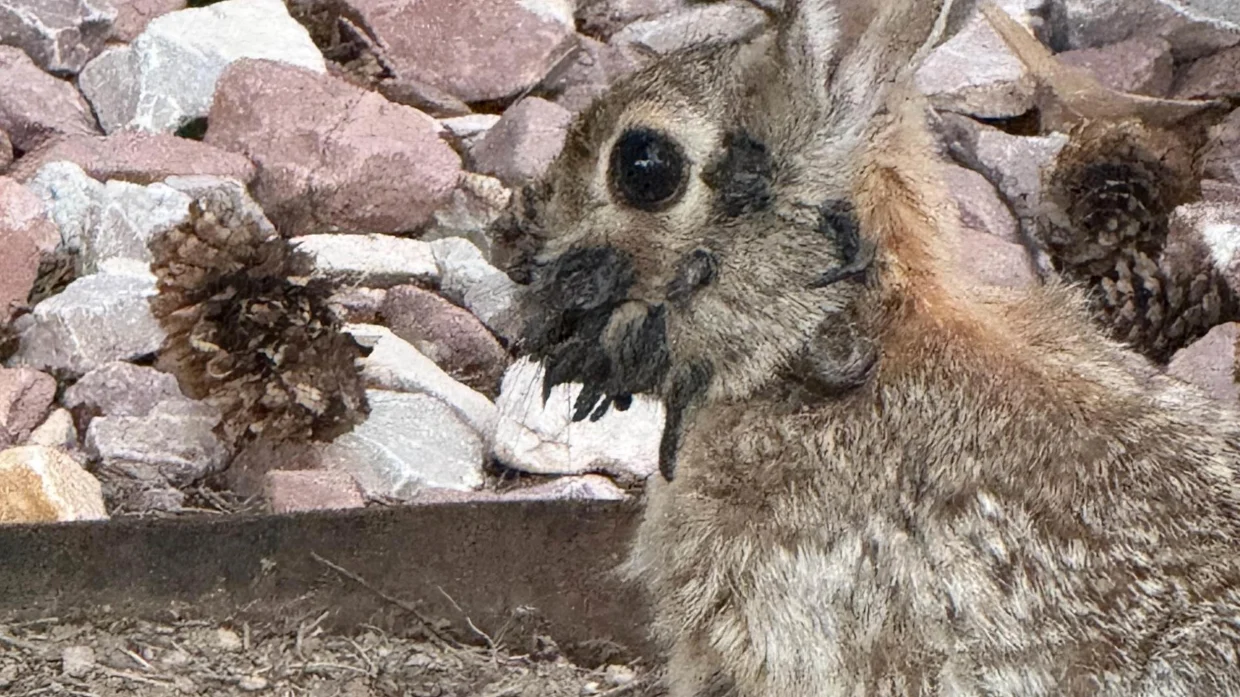
Colorado rabbits with tentacles animal species, which hops its way into our hearts with its cuteness. However, these animals have been spotted with an unrecognizable feature on their head in Colorado. A ‘tentacle’ rabbit is not some breed of rabbit, but shows that it is infected with a virus. The officials have also confirmed this statement regarding the presence of a virus in their bodies. Additionally, many locals have also reported seeing these tentacle-like growths on cottontail rabbits’ bodies. This shows how the alleged virus is spreading among other rabbits, too, which is concerning.
Colorado Parks and Wildlife spokesperson Kara Van Hoose has recently talked about this issue intensively. According to him, these rabbits are observing a growth of papillomas, which are black, tentacle-like spots on their bodies. They are not an added feature in their physique, but a virus, which is spreading inside them. This virus, known as the cottontail rabbit papillomavirus, has affected a decent population of cottontail rabbits. However, she has reassured the public that this virus is not transmissible to humans and their pets (not bunnies). But they should still be careful that their pets do not come into contact with the infected rabbits.
Also read: Milwaukee Flooding 2025: Record Rainfall Causes Damage
What kind of virus is this cottontail rabbit papillomavirus?
According to the National Library of Medicine, this virus is mainly found in the Colorado rabbits with tentacles after whom its name is derived. Moreover, it is not only transmissible in rabbits, but other living species, including humans. It is not indirectly possible, as a contact may start a growth of papillomas or warts on their body. One more thing you should know is that it can also be found in the normal rabbit species, too. This virus can be formed in both normal rabbits and cottontail rabbits and is not already present in their body.
Moreover, this is primarily found in the cottontail rabbits, specifically in the Mideast. Several incidents have been recorded where normal rabbits were hopping while they were infected with the papillomavirus. The University of Missouri’s College of Veterinary Medicine has confirmed this claim on its own authority. The virus starts showing its symptoms mainly on the head of the animal with large, black spots. With time, as the virus spreads, it becomes elongated, looking like a tentacle, filled with the infecting agent. According to the residents, the infected bunnies looked awful and were in pain due to the large tentacles arising around their mouths.
Are the cottontail rabbits infected with the papillomavirus dangerous?
Many organizations claim that they might transmit the virus in human bodies, while some deny this claim. According to CPW, the papillomavirus is not transferable to any other species, other than rabbits. However, it still doesn’t have to be risk-free, as the domestic rabbits can still get infected from this. In such a case, they will have to be treated by a veterinarian, who will remove the virus through treatment. It might be painful and more severe than it is for wild species, due to their immunity and high tolerance.
According to the medical reports, this infection by the papillomavirus is not fatal for the wild rabbits. The tentacles outgrow from their heads but soon withered away as they regained their immunity. Therefore, they are not the major concern of the authorities, but the pet rabbits are. The caretakers don’t usually interfere with a rabbit’s day-to-day activities, unless the virus takes over their strength. Moreover, they stop the intake of food and water, which makes their treatment a necessity. It can also take away its ability to hop around the landscape, due to the excessive spread of the virus.
Therefore, some authorities have also said that if a dead rabbit is found, do not touch it directly. Even if it doesn’t show any signs of infection, wear gloves and then do what you have to do. You can call someone to handle it, or you can do that yourself if you feel confident. This is why the authorities have warned people to keep their pet rabbits away from the infected ones. Their immunity might not be strong enough to fight the virus the same way the wild rabbits do.
Also read: George Soros Tied to FBI Allegations and Clinton Campaign Plot: Durham Annex Reveals
Conclusion
Many spokespersons from the Colorado Parks and Wildlife have claimed that the number of these infections is stable. They are assuming that the same animals are catching this infection after recovering from it. Therefore, this issue isn’t as concerning as it sounds, apart from some severe cases. The only thing you, as a pet owner, have to do is keep them safe and away from the infected species.