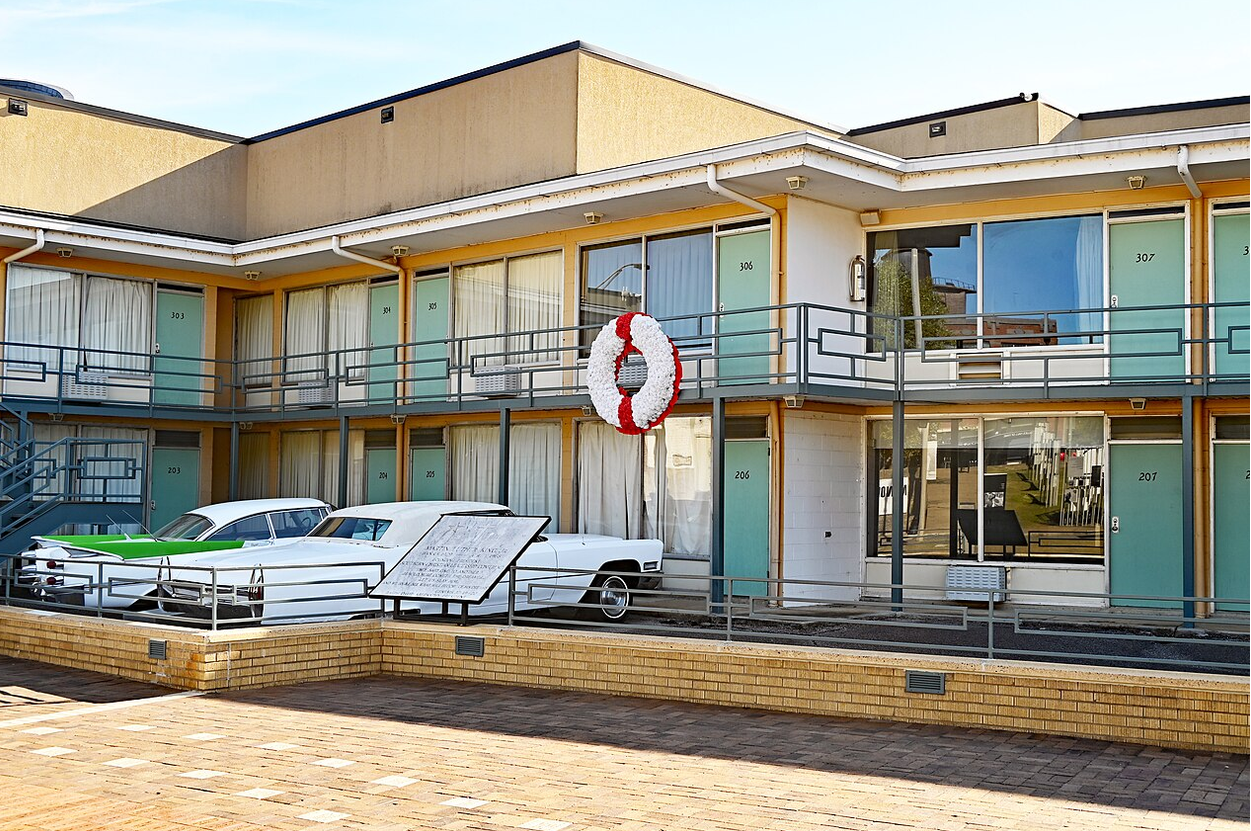
Nearly six decades after the assassination of Martin Luther King, Jr. at the Lorraine Motel in Memphis, multiple questions remain unanswered. Did James Earl Ray fire the murder weapon, a rifle found at the scene with his fingerprints? After a two-year investigation in the late 1970s, the House Select Committee on Assassinations (HSCA) answered yes. But to this day, King’s family maintains that “someone other than Ray was the shooter, and that Mr. Ray was set up to take the blame.”
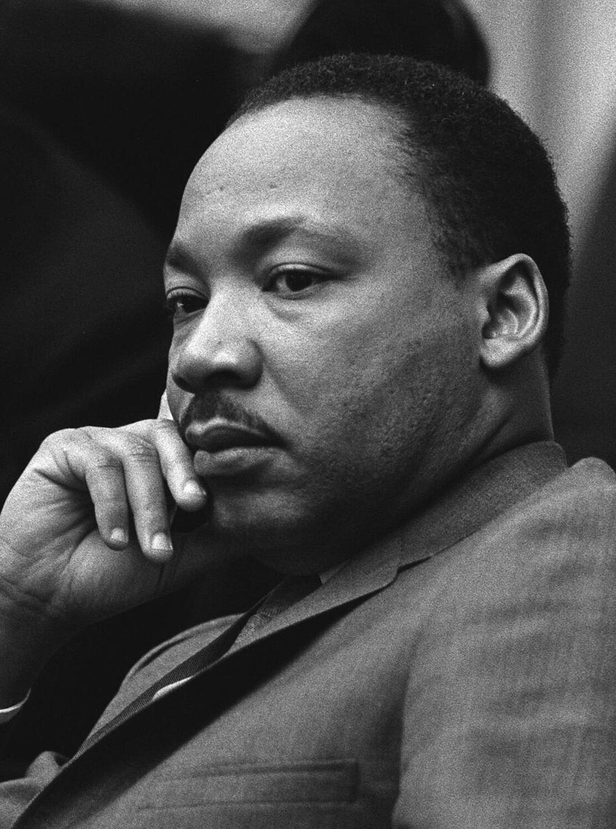
To this day, King’s family maintains that “someone other than Ray was the shooter, and that Mr. Ray was set up to take the blame.”
Despite its finding that Ray pulled the trigger, the HSCA also concluded that there was a “likelihood of conspiracy” that led to MLK’s assassination. After conducting extensive interviews with Ray and hearing three days of his testimony, the committee was not convinced that racism or a desire for fame were Ray’s primary motivations. Instead, it was more likely reward money, with the HSCA pointing to St. Louis-based white nationalists as the probable source.
As of late 2026, nearly all of the investigative records that formed the basis of the HSCA’s MLK final report remain sealed. This past January, historian Stuart Wexler—co-author (with Larry Hancock) of Killing King: Racial Terrorists, James Earl Ray and the Plot to Assassinate Martin Luther King, Jr. (2018)—testified before the House Task Force on the Declassification of Federal Secrets, detailing the importance of the HSCA material and explaining why it should be released. Wexler raised essential questions regarding gaps in our knowledge about what happened before, during, and after April 4, 1968.
…In its final report on MLK, the committee stated that its investigation uncovered “substantial evidence to establish the existence of a St. Louis-based conspiracy to finance the assassination of Dr. King.” While James Earl Ray’s two brothers (John and Jerry) played key roles, the committee relied strongly on testimony provided by someone referred to only as “witness A,” an unpaid informant for the local sheriff’s office in 1967-68. That person’s identity is just one of many tantalizing details presented in the HSCA report…READ MORE