By Black Star News:
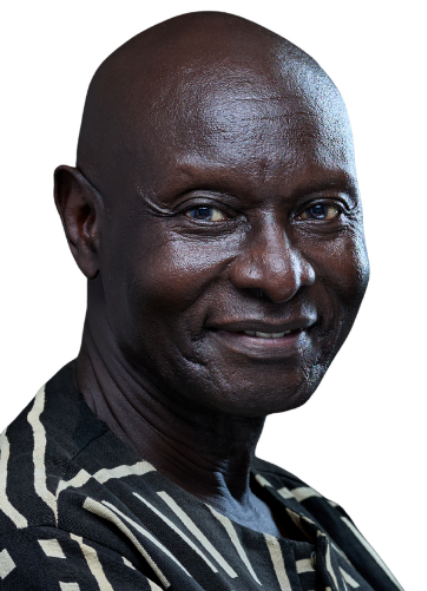
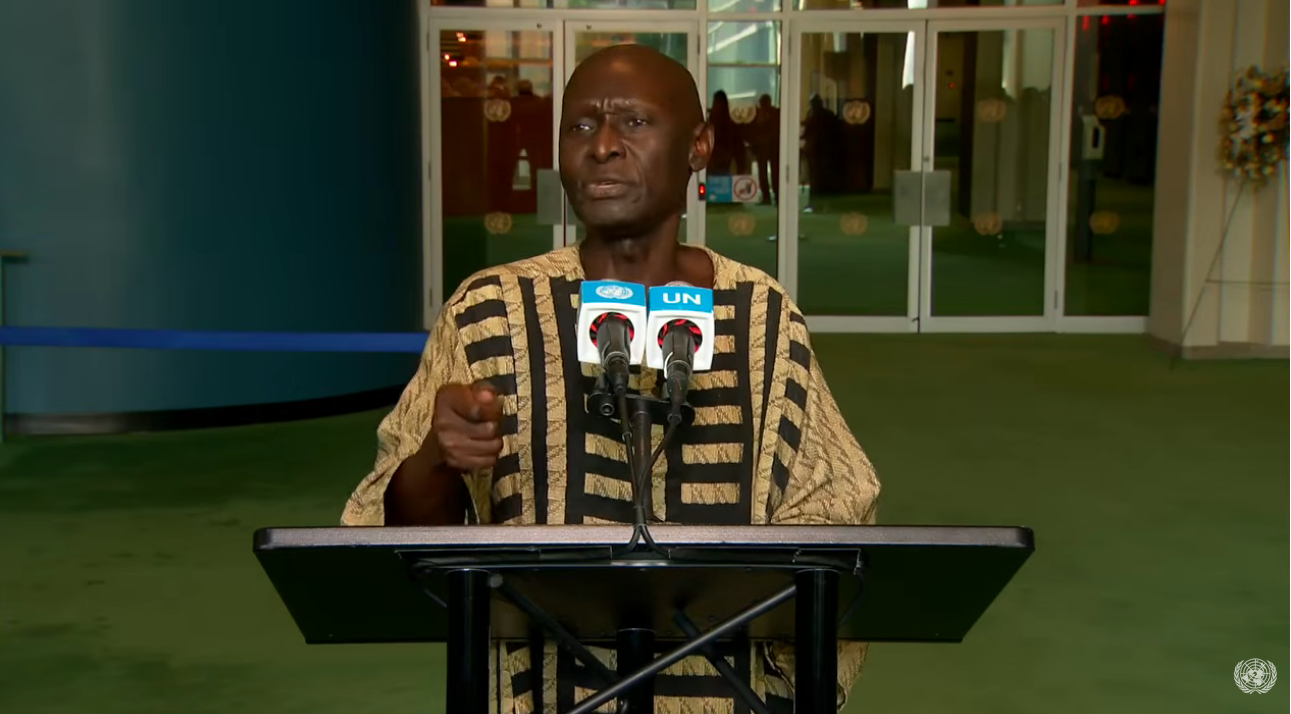
Olara Otunnu, a candidate for Secretary-General of the United Nations (UN), has outlined his vision for reforming the global organization. An interview with Otunnu can be seen here.
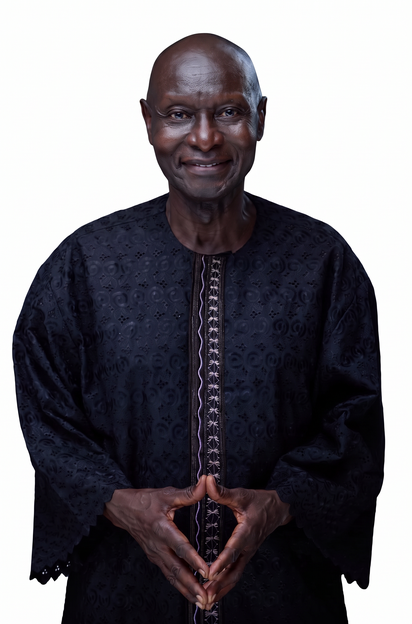
In a document titled “Reforming the United Nations: No Longer an Option; It Is an Imperative,” Otunnu says his proposed measures are designed to make the UN more focused and accountable and to deliver measurable impact on the ground.
“Will the United Nations matter in the lives of ordinary people in the years to come?” Otunnu asks. “I believe that the UN can rise to the moment, but only if we are willing to change how it works.”
“To confront the crisis and embrace the opportunities of our times, the UN must reform. Without reforms, the organization is at great risk,” Otunnu adds in the document. “Reform must become part of the cultural DNA of the UN: a continuous process of assessing priorities, challenging entrenched practices and delivering measurable impact.”
Otunnu outlines a program of action across nine areas: reducing bureaucracy and reviewing senior posts; bringing the UN closer to the people it serves; consolidating administrative functions and advancing digital transformation; reforming UN peace operations; ending major wars; rebuilding consensus on human rights; engaging UN staff; putting Member States in the driving seat of reform; and ensuring the UN reflects the world it serves.
“From day one, I would use my prerogative as Secretary-General to laser-focus on eliminating duplication and redundancy, strengthening coherence and accountability, and aligning priorities with commensurate resources,” Otunnu says in the document. “Reform must begin from the top.”
Otunnu is the only African left in the race to replace outgoing Secretary-General António Guterres after Macky Sall, Senegal’s former president, dropped out.
Otunnu is Uganda’s candidate for Secretary-General. For more than four decades, he has held leadership positions within and outside the UN.
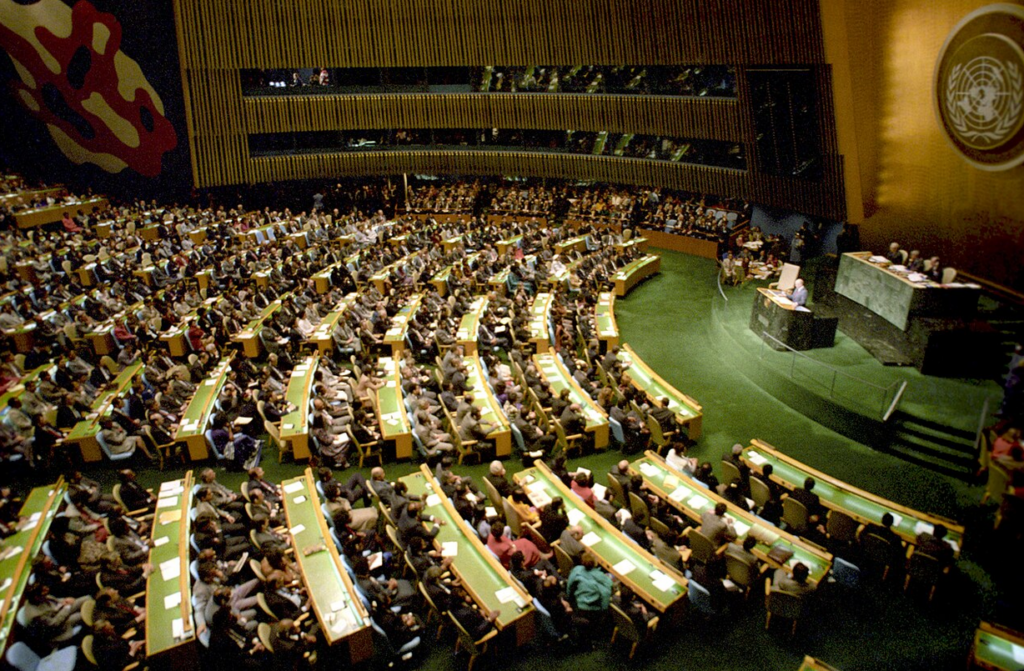
As President of the UN Security Council in 1981, he devised the straw-poll system, known as the “Otunnu Formula,” which has been used ever since in the selection of the Secretary-General.
In 1983, as Chair of the Credentials Committee, he designed a breakthrough in the Grenada crisis, which had paralyzed the General Assembly.
Otunnu says senior management positions account for only 3 percent of the agreed UN80 cuts. He would immediately review and streamline those positions.
He would also move substantive political, humanitarian and development posts to the regional level. “We must do much more to connect the global UN to the local level, thus increasing the impact of the UN on the lives of ordinary people,” he says in the reform document.
Otunnu calls for focused, accountable peace operations and impartial mediation to end major wars. “Ending these deadly conflicts would constitute an immediate and absolute priority for me,” he writes. On human rights, he states, “As Secretary-General, I would invoke the UN Charter and its principles in a completely impartial and non-selective manner.”
“I want to see a United Nations of service and impact, not an organization of power and privilege,” Otunnu writes. Lasting reform, he argues, requires consensus-building, innovative solutions and resolve.
“I bring to the enterprise of UN reform the combination of deep institutional knowledge and an independent outside perspective on the UN,” he states.
From 1997 to 2005, Otunnu served as UN Under-Secretary-General and Special Representative for Children and Armed Conflict. In that role, he placed the protection of war-affected children on the Security Council’s agenda and designed the compliance regime set up under Resolution 1612.
He has also served as Uganda’s Permanent Representative to the UN, Vice-President of the General Assembly, Chair of the Commission on Human Rights, Uganda’s Foreign Minister, and President of the International Peace Academy (now IPI). Today, he co-chairs Rocco Paco, a peace-building movement he co-founded for rebuilding and healing in post-war northern Uganda.
Otunnu’s awards include the 2005 Sydney Peace Prize, the German Africa Prize, India’s Global Award for Outstanding Contribution to Human Rights, and the Harvard Law School Alumni Award.
He was educated at Gulu High School; at King’s College Budo, as a Queen’s Scholar; at Makerere University; at Oxford, as an Overseas Scholar; and at Harvard Law School, as a Fulbright Scholar.