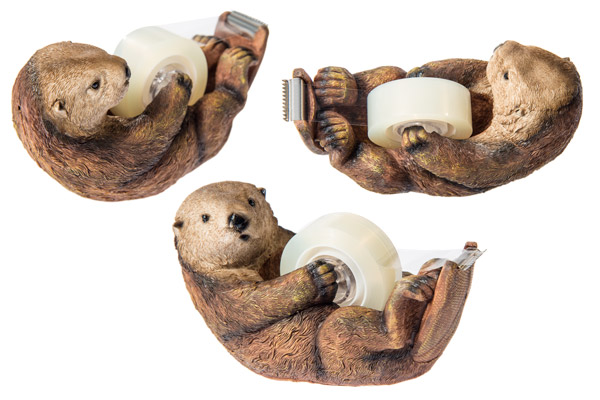
Animal in Love With a Tape Dispenser: Cartoons reveal truths about life with humor and irony. The New Yorker is known for its clever illustrations and created one such classic. In this piece, an animal falls in love with something unexpected: a tape dispenser. It’s funny, but it’s also thought-provoking. Humor meets psychology and symbolism, and you’re left amused and curious.
An animal falling in love with an object is intriguing. Why a tape dispenser? Why not food or toys? The contrast is deliberate, and that’s what’s funny. And it’s also human. We show attachment to objects and give them more importance than they deserve.
The Symbolism of the Tape Dispenser
Why a tape dispenser? The illustrator chose it deliberately. A tape dispenser is a symbol of routine, repetition and boredom. We use it daily in the office and rarely notice it. That’s why it’s the perfect object for satire. By placing affection towards such a mundane tool, the cartoon exaggerates absurd devotion.
We also project emotions onto objects. Think of someone’s favorite coffee mug or a childhood toy. We treat those objects with care, almost as if they breathe. This cartoon mocks that attachment while showing how it shapes behavior. The tape dispenser is lifeless but becomes an unlikely star through the humor. And that’s even funnier. Animals act instinctively, but here it’s emotional. The tape dispenser is cold, metallic and inanimate. An animal loving it makes it even more absurd. Humor loves those contradictions where expectation meets reality.
Also read: WWE: Unreal Docuseries on Netflix – July 29 (Today)
Choosing the Animal as a Character
The cartoonist’s choice of animal matters. Animals often represent innocence, instinct or simplicity. We associate them with natural emotions, not complex thought. By giving an animal humanlike affection, the cartoon exaggerates reality. This amplifies comedy and comments on human behavior.
Animals in cartoons have been representing human behavior for ages. Think of famous animated dogs, cats or mice that act like people. These characters create humor by breaking expectations. The New Yorker artist does this in one panel. The animal doesn’t just remain animalistic; it shows emotional complexity.
That surprises the viewer. The absurdity of affection towards an object highlights how we sometimes misplace emotions. The cartoon asks us to laugh but also to think. Do we love objects more than experiences? Do we value possessions more than connections? These questions add depth to the humor.
Impact on Pop Culture
The New Yorker cartoon didn’t just make us laugh. It got us talking about absurd humor and symbolism. We remember it because the idea is so weird. Few cartoons can combine such random elements and stick.
Cartoon fans discuss this panel in online forums. Crosswords even use it as a clue. This spread shows how well it’s stuck in our heads. Humor and absurd romance made it memorable.
Cultural references matter in humor. A tape dispenser is minor but universal. Readers across cultures get it instantly. That’s what makes the cartoon accessible and the punchline a favorite.
Cartoons as Commentary on Modern Life
Cartoons entertain and reflect society. This cartoon shows loneliness and monotony of office life. Many people spend hours surrounded by stationary objects. Humorously, these objects become silent partners in their daily grind.
By showing affection from an animal, the cartoon comments on misplaced attachment. People sometimes confuse utility with intimacy. The animal’s behavior exaggerates this confusion. We laugh, but the underlying message stays.
Workplace humor often relies on exaggerating dullness. Coffee mugs, staplers or tape dispensers represent routine. By turning one into a love interest, the cartoon turns monotony into comedy. That makes the message relatable and memorable.
Crossword Puzzle Connection
Crosswords often draw from culture. The clue “Animal that falls in love with a tape dispenser” became a famous one. Puzzle enthusiasts searched their memory for the cartoon. The answer was a challenge and a smile.
Crosswords celebrate clever wordplay. By referencing a New Yorker cartoon, the clue added cultural depth. Solvers didn’t just fill in letters; they recalled humor. That fusion of puzzle solving and cultural memory made it more fun.
The clue also spread the cartoon’s fame. People who missed the original cartoon found it through crosswords. Humor traveled from magazines to puzzles and got new life.
Why the Cartoon Still Works Today
Despite its simplicity, the cartoon still works. Humor based on absurdity never gets old. We still laugh at unexpected pairings and ironic affection.
Modern life only makes it more relevant. We spend more time with gadgets and tools. Affection for objects feels less absurd today. We name our phones, laptops and devices, give them covers and emotional care. The tape dispenser cartoon predicted that.
The cartoon is timeless because it’s humor with insight. We laugh, but we also see ourselves in the absurdity. That’s what keeps it in our cultural memory.
Also read: Avatar: Fire and Ash Trailer – Jake vs Varang & The Ash People | 2025
Lessons From the Cartoon
Humor teaches subtle lessons. This cartoon reminds us not to confuse objects with relationships. Tools serve utility but can’t offer companionship. Affection is for people and living beings. And it makes us laugh at ourselves. We do form emotional attachments to random objects. By amplifying that the cartoon makes us think through humor.
Art that makes us think and laugh is priceless. It tells us things without telling us. The New Yorker does that.