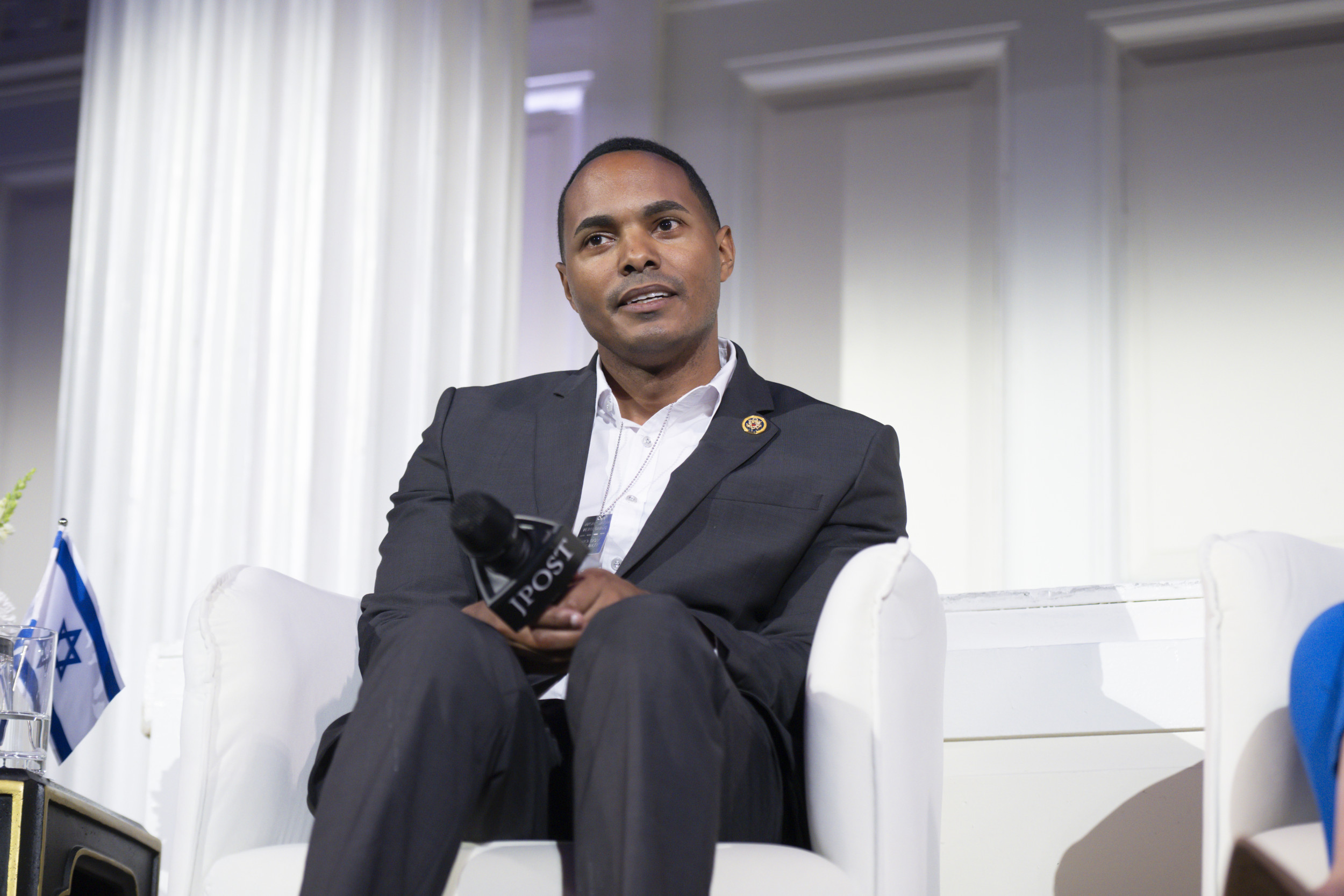
Adam Friedland interviewed Representative Ritchie Torres on “The Adam Friedland Show.” The Jewish comedian forced Torres to answer for his unwavering support of Israel during the Gaza war. He asked him directly and emotionally and he accused him of ignoring human suffering. He framed the conflict as a moral and existential issue for Jews everywhere.
Friedland was angry from the start. He shared his doubts about being Jewish in the face of the conflict. He said, “I still f—king care about being Jewish and it’s embarrassing.” He called being Jewish a burden. A stain on our history. Viewers were shocked, and Torres was rattled. Friedland was ashamed, angry and grieving all at once. He said Jewish identity feels compromised by Israel’s choices.
Torres defended Israel without hesitation. He denied targeting civilians and he said antisemitism can never be justified. He pressed for Jewish unity behind Israel. Friedland interrupted frequently. He said Torres was reciting talking points. He cut him off and said, “Shut up” at one point. It got raw and personal.
Emotional Confrontation Exposes Jewish Tensions
Friedland pressed Torres on responsibility. He said Israel fuels antisemitism through its military actions and he also said Jews in America pay the price. He said, “I’m telling you as a Jew, right now we are getting a lot more hate.” and he tied the growing antisemitism to the war.
Torres said it was unfair. He said antisemitism exists regardless of Israel’s actions. But Friedland kept pushing. He said Jewish people worldwide are paying the price for Israeli policies. His charge left Torres silent and uncomfortable.
Friedland demanded solutions. Torres had none. He only blamed Netanyahu’s government for empowering Hamas and he said Israel and the US failed to block Hamas funding. He called that a disaster. Friedland wouldn’t let it go. He proposed reparations, reconciliation and open democratic dialogue. Audits of demographic claims to ensure fairness. Recognition of losses to heal divisions. That idealism was met with Torres’s pragmatism. Friedland acknowledged it sounded silly. He still held out hope for a moral reckoning. Torres stuck to defending Israel’s military actions and alliances. Their exchange showed two different ways of framing Jewish responsibility.
Also read: Robin Westman’s Note to Parents Reveals Motive in Church Shooting
Friedland’s Tone and Jewishness
Friedland was funny and unapologetic. He turned comedy into a political tool. His emotion was raw. He mixed satire with grief. That made Torres uncomfortable, who spoke in polished political speak.
The comedian’s Jewishness informed his position. He presented himself as stuck between his heritage and his conscience and he shared his inner conflict about being part of a community tied to a violent state. He chose pain over silence and said Israel’s war is undermining Jewish morality everywhere.
Friedland told Torres he can’t ignore that tension. He said politicians hide behind institutional speak and he attacked AIPAC’s endorsement of Torres. He said it showed detachment from Jewish pain and he also said Jewish solidarity must face accountability.
Public Response
The interview went viral. Rabbi Samuel Stern condemned Friedland. He said Friedland was spreading propaganda. Stern said he was confusing emotion with reason. He said Torres had a clear moral conviction.
Other voices praised Friedland. Journalist Jordan Weissmann called Torres robotic. He said Friedland was speaking truth from pain. Former Rhode Island state rep. Aaron Regunberg supported Friedland. He said Friedland embodied Jewish values by demanding honesty and empathy. Regunberg said the comedian’s vulnerability was Judaism at its best.
Fans rallied online. They shared clips of Friedland confronting Torres and they praised him. They said he was saying what they were thinking. Friedland thanked his supporters on social media. He joked, “Thanks for the nice feedback from everyone except my dad.” That summed up his mix of sarcasm and sincerity.
Friedland’s Platform
The Adam Friedland Show is ironic with political commentary. It’s like late-night TV but subverts it. Friedland mixes jokes with interviews. He challenges cultural and political figures and he has over 300,000 on YouTube. He reaches younger, more political people.
Earlier episodes had progressive figures like Ro Khanna. In that case Friedland didn’t mention Israel. With Torres, he broke that pattern. He chose to air personal and political rage. That’s what made the episode more than comedy. It’s a cultural moment. The show runs on discomfort. Friedland uses unease as comedy. In this case, unease turned into conflict. His vulnerability and rage took the show to new places. He’s willing to lose friends and enrage enemies. He’s doing it.
Also read: Trump’s Attempted Firing of Fed Governor Lisa Cook Sparks Crisis
Conclusion
Adam Friedland yelled at Ritchie Torres with anger and hurt. He asked questions politicians won’t ask. He demanded honesty about antisemitism and complicity. Torres answered with loyalty to Israel and criticism of Hamas. Their conversation showed the cracks in Jewish identity.
Friedland talked about shame and hope. Torres talked about security and defense. Their differences are the broader struggle of Jews grappling with war. Friedland turned comedy into confrontation. Torres stood firm in politics. Together, they embodied the conflict between conscience and solidarity.
The interview will be felt for a long time after it aired. It showed how cultural voices now challenge political leaders publicly. It proved that debates about Israel are no longer limited to official halls. They spill into comedy shows, social media and everyday life. Friedland made Torres face pain, not just policy. That’s why the interview will be unforgettable.